Electric Furnace Maintenance Tips: Save Energy
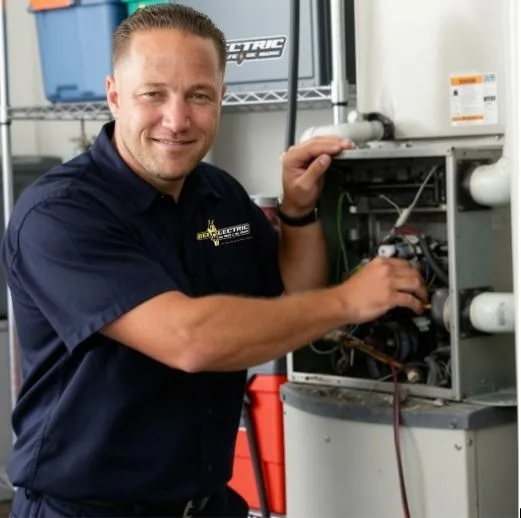
By Bee-lectric | Licensed Commercial Electrician | Scranton, PA
An electric furnace that does not receive proper maintenance will consume far more energy than it needs to. For commercial property owners and facility managers, that waste shows up directly on the utility bill every month. Dirty filters, worn heating elements, loose electrical connections, and leaking ductwork all force the system to work harder than it was designed to, and the cost of that extra effort adds up fast in a commercial building.
Staying on top of electric furnace maintenance keeps the system running at peak efficiency, reduces operating costs, and prevents small problems from turning into full system failures. This guide covers the most important maintenance steps for commercial electric furnaces and explains exactly how each one impacts energy use.
1. Replace the Air Filter on Schedule
The air filter is the most important routine maintenance item on any commercial furnace. A dirty or clogged filter restricts airflow through the system, which forces the blower motor to work harder to pull air through. That added strain increases electricity consumption and accelerates wear on the motor over time.
The Department of Energy has noted that a dirty filter alone can increase furnace energy use by up to 15 percent. For a commercial facility that runs its heating system for extended hours across a full season, that percentage translates into a significant dollar amount.
Filters should be checked every month and replaced at least every three months. Facilities with higher dust levels, heavy foot traffic, or HVAC systems that operate year-round will likely need more frequent replacements. This is one of the simplest items on the maintenance checklist and one of the highest-impact ones.
2. Inspect and Clean the Heating Elements
The heating elements are the core components of any electric furnace. They generate the heat that gets distributed through the building. When elements corrode, pit, or burn out, the system loses its ability to produce heat efficiently. The furnace then runs longer cycles and draws more power trying to reach the set temperature.
Most commercial electric furnaces have multiple heating element strips controlled by sequencers and relays. It is common for one or two strips to fail while others continue working. When this happens, the system takes longer to bring the facility up to temperature and puts added strain on the remaining elements, shortening their lifespan as well.
Including a heating element inspection in the annual furnace service catches these issues before they cause a breakdown. A qualified commercial electrician or HVAC technician can test each element, identify any that are degrading, and replace them before a partial failure turns into a full system outage.
3. Check All Electrical Connections Inside the System
Loose or corroded electrical connections inside a furnace are a hidden source of both energy waste and safety risk. When a connection is not tight, current has to push through resistance at that point. That resistance converts electricity into heat at the connection instead of delivering power to the heating elements, which means the system burns more energy than it should for every cycle it runs.
Loose wiring inside a furnace cabinet can also cause the system to trip a circuit breaker or create a fire hazard. In a commercial setting, a heating system that goes offline unexpectedly disrupts operations, affects employees and customers, and creates an emergency repair situation that is far more expensive than routine maintenance.
Tightening all electrical connections and testing the control board, sequencers, and relays is a standard part of a professional furnace tune up. Having a licensed electrician handle this step ensures the work is done to code and that any wiring issues are caught by someone qualified to identify them.
4. Clean the Blower Fan and Motor
The blower fan moves heated air through the ductwork and distributes it across the facility. Dust and debris accumulate on the fan blades and inside the blower housing over time. As that buildup increases, the fan has to work harder to move the same volume of air, which raises energy consumption and adds wear to the motor.
A struggling blower has a direct impact on comfort and productivity. Work areas may heat unevenly, the system may short cycle more frequently, and overall heating performance drops even though the system is drawing the same or more power than before. That combination of worse performance and higher energy use is exactly what routine maintenance is designed to prevent.
The furnace cabinet should be vacuumed and the fan blades cleaned at least once a year as part of the regular maintenance schedule. This keeps airflow consistent across the facility and reduces the load on the blower motor.
5. Inspect Ductwork for Leaks and Heat Loss
A well-maintained furnace cannot perform efficiently if the ductwork it feeds is leaking. Studies have shown that duct leaks can allow up to 30 percent of heated air to escape before it reaches the occupied areas of a building. That means the furnace is producing heat that does no useful work, and the system compensates by running longer and consuming more electricity.
Duct leaks also create inconsistent conditions across different work areas. Some zones overheat while others stay too cold. The thermostat struggles to get an accurate read on the overall space, which can cause the furnace to run continuously or short cycle as it tries to hit a temperature it cannot maintain with compromised ductwork.
Inspecting accessible ductwork for cracks, loose joints, and gaps should be part of every annual furnace service. Any leaks found should be sealed with proper duct sealant. A professional can also pressure-test the full duct system to locate leaks that are not visible during a standard inspection.
6. Calibrate the Thermostat and Consider an Upgrade
A thermostat that is not reading temperatures accurately causes the furnace to run unnecessary cycles or shut off before the space reaches the correct temperature. In a building that operates on a set schedule, even small thermostat errors add up to significant wasted energy across a full heating season.
Loose wiring at the thermostat or control panel causes erratic system behavior, including the furnace turning on and off at the wrong times and failing to respond to temperature changes correctly. These wiring issues are not always visible and require a qualified electrician to diagnose properly during a scheduled service visit.
Upgrading to a programmable thermostat is one of the most cost-effective improvements a facility can make. It allows the system to automatically reduce heating output during off-hours, nights, and weekends without relying on staff to manually adjust settings. The Department of Energy estimates that setbacks of 7 to 10 degrees for eight hours a day can save up to 10 percent on annual heating costs.
7. Schedule an Annual Professional Inspection
The maintenance steps above cover what facility managers can monitor between service visits. An annual professional inspection goes significantly deeper. A licensed electrician or qualified HVAC technician can safely access and evaluate components that require proper training and tools, including the control board, safety switches, sequencers, relays, and all internal wiring inside the furnace cabinet.
Professional inspections catch problems that have no obvious symptoms yet. A heating element that is 60 percent degraded will still produce heat, but it is doing so inefficiently and is approaching failure. Identifying it during a scheduled visit avoids an emergency breakdown during peak operating hours in winter, which is far more disruptive and expensive than a planned service call.
Many manufacturer warranties also require documented annual maintenance to remain valid. For commercial equipment, skipping a scheduled inspection can void coverage on a relatively new system and leave the business responsible for repair costs that would otherwise be covered.
8. Warning Signs That Require Immediate Attention
Facility managers and property owners should know these warning signs. Each one points to the system working harder than it should. Catching them early is always less expensive than waiting for a breakdown:
- Energy bills increasing without any change in facility usage or occupancy
- The furnace running continuously or short cycling more than usual
- Uneven temperatures across different areas of the facility
- Unusual noises including banging, buzzing, or humming from the cabinet
- The system tripping a circuit breaker on startup or during operation
- A burning smell coming from the vents or the furnace cabinet
Any of these signs should prompt an immediate call. Most facility managers search for an electrician near me at this point, and the right move is to look specifically for one with commercial electrical experience rather than a general service provider.. Delaying a service call risks operational disruption, equipment damage, and a far more expensive repair than if the issue had been caught early.
About Bee-lectric
Bee-lectric is a licensed and insured commercial electrician in Scranton, PA. The team works exclusively on commercial electrical systems, which means every job they take on involves the kind of complex wiring, load demands, and code requirements that commercial properties carry. They have the training and credentials to inspect furnace electrical connections, identify wiring faults inside heating systems, and make sure the electrical side of any commercial heating setup is safe and running efficiently. If your facility needs a professional inspection, they are the right call.
Frequently Asked Questions
How often should a commercial electric furnace filter be changed?
Check the filter monthly and replace it at least every three months. Facilities with heavy foot traffic, high dust levels, or systems that run year-round will need more frequent changes. A clogged filter is one of the fastest ways to reduce furnace efficiency and increase operating costs.
Why is our electric furnace using so much electricity?
The most common causes are a dirty air filter, worn or failing heating elements, loose electrical connections, leaking ductwork, or a thermostat that is not accurately reading facility temperatures. Each of these forces the system to run longer and draw more power to reach the set temperature.
What does an electric furnace tune up include?
A professional tune up includes a filter check, heating element inspection, blower fan cleaning, electrical connection tightening, thermostat calibration, ductwork inspection, and testing of the control board, sequencers, and safety switches. Every component is checked to confirm it is operating at full efficiency.
How long do commercial electric furnaces last?
A properly maintained system typically lasts 20 to 30 years. Systems that skip routine service tend to fail earlier and become progressively more expensive to operate as efficiency drops. Annual maintenance is the most reliable way to protect that investment.
When should an electric furnace be replaced instead of repaired?
If the system is more than 20 years old, requires repairs multiple times per year, or is operating well below the efficiency of current models, replacement is often the smarter investment. Modern high-efficiency electric furnaces operate at significantly higher efficiency ratings, which reduces operating costs and lowers the energy burden on the building’s electrical system.
Final Thoughts
The businesses that keep their heating systems running well year after year are the ones that treat maintenance as a scheduled priority rather than something to get to when a problem shows up. An electric furnace that is consistently serviced costs less to run, lasts longer, and almost never fails at the worst possible time. That is the real value of staying on top of it.
If your commercial heating system is showing any of the warning signs covered in this article, do not wait for a small problem to turn into a costly one. Contact Bee-lectric today to schedule a commercial electrical inspection and get your system running safely and efficiently.
📍 9 Esther St, Throop, PA 18512 | 📞 (570) 525-5908