Electric Scooter Regulations: What You Need to Know Before Riding
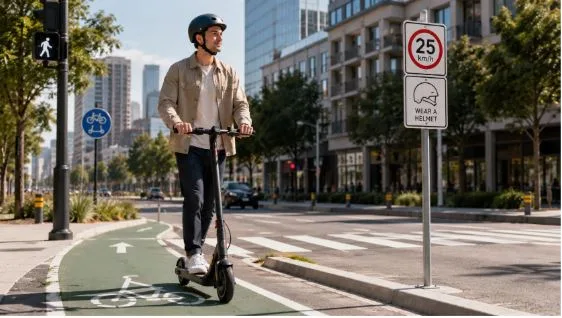
Electric scooters have become a practical choice for short trips through busy streets, campuses, parks, and neighborhoods. Still, before you step onto one, it is important to know that scooters are not treated the same everywhere. Local rules can decide where you may ride, how fast you may travel, whether a helmet is required, and whether you need a driver’s license.
Many riders ask one simple question first: do you need a driver’s license for a scooter? The answer depends on the scooter type, its speed, motor power, and the rules in your area. Understanding electric scooter regulations before riding helps you avoid fines, unsafe situations, and legal confusion.
Why Scooter Rules Matter Before You Ride
Scooters may look simple, but they share space with cars, bicycles, pedestrians, and public transport. That is why governments create scooter laws to reduce risk and keep movement organized. A rider who does not know the rules may use a banned area, block a sidewalk, choose the wrong lane, or travel faster than allowed.
Rules also matter when accidents happen. If a scooter crash leads to injury or damage, police reports, insurance questions, and liability may depend on whether the rider followed local laws.
Different Scooter Types Are Treated Differently
The word scooter can mean several different vehicles, and each may fall under a different legal category. A basic kick scooter is powered by the rider’s foot and usually has fewer restrictions. An electric kick scooter uses a motor and battery but is often limited to lower speeds. A moped or motor scooter may have a seat, lights, a stronger motor, and a higher road speed. A mobility scooter is designed mainly for people who need help moving around.
These differences are important because licensing rules usually depend on vehicle classification. A small stand-up electric scooter may be allowed in bike lanes. A seated motor scooter may require registration, insurance, and a valid license. Mobility scooter rules often focus on pedestrian safety and access rather than road licensing. This is why understanding drivers license for scooter requirements is an important first step before riding, buying, or renting any scooter.
Do You Need a Driver’s License for a Scooter?
The need for a license usually depends on how powerful the scooter is and how fast it can go. In many places, low-speed electric scooters do not require the same license as cars or motorcycles. However, riders may still have to follow age limits, helmet rules, speed limits, and parking rules.
A drivers license for scooter use may be required when the scooter travels above a certain speed, has a higher-powered motor, or is classified as a moped or motorcycle. Some areas accept a regular driver’s license, while others may require a motorcycle endorsement, moped permit, or special registration.
Common factors that affect licensing include:
Maximum scooter speed
Motor wattage or engine size
Rider age
Whether the scooter has a seat
Road type where it will be used
Registration or insurance rules
Because these details vary, riders should check official local guidance before buying or renting a scooter.
Electric Scooter Regulations for Everyday Riders
Electric scooter regulations usually cover more than licensing. They can control where scooters may be used, how fast they may go, and what safety equipment is required. Some cities welcome electric scooters as part of modern transport. Others limit them because of crowded sidewalks or unsafe riding.
Many places allow electric scooters in bike lanes but restrict them on sidewalks. Some permit sidewalk riding only at a slow speed. Others allow scooters only on streets with lower traffic speeds. Rental scooters may also use geofencing, which automatically slows or stops the scooter in certain zones.
Common electric scooter rules may include:
Minimum rider age
Maximum speed limits
Helmet requirements for younger riders
No riding under the influence
No passengers on single-rider scooters
Lights or reflectors for night riding
Parking rules that keep walkways clear
Scooter Laws Can Change by Location
One of the biggest mistakes riders make is assuming that scooter laws are the same everywhere. A scooter that is legal in one city may be restricted in another. A rental scooter allowed downtown may not be legal on highways, park paths, or private property.
Some places treat electric scooters like bicycles. Others treat them as motor vehicles. Some require riders to use bike lanes, while others allow use only on selected streets.
This is why riders should review local guidance before each trip. The phrase drivers license for scooter, scooter laws, electric scooter regulations, and mobility scooter rules may sound like one subject, but each part can be handled differently depending on location and vehicle type.
Are Mobility Scooters Subject to the Same Rules?
Mobility scooters are usually designed for people with limited mobility. Because their purpose is different, mobility scooter rules are often separate from the rules for recreational electric scooters.
In many places, mobility scooters can be used on sidewalks, pedestrian paths, shopping areas, and crossings. They may not require a standard driver’s license, but users are still expected to operate them safely. Larger or faster mobility scooters may have extra requirements, especially if they are used on roads.
Important points include speed control, pedestrian awareness, visibility, and safe crossing behavior. Users should avoid blocking walkways, moving too quickly in crowded spaces, or entering roads unless local rules allow it.
Registration, Insurance, and Equipment Requirements
Some scooters must be registered before they can be used on public roads. This is more common for mopeds, motor scooters, and high-speed electric scooters than for small stand-up models. Registration helps confirm that the vehicle meets legal and safety standards.
Insurance rules also vary. Low-speed electric scooters may not need separate insurance, but motor scooters often do. If a scooter is involved in an accident, missing insurance can create serious financial problems.
Equipment rules may include brakes, bells, headlights, rear lights, reflectors, mirrors, turn signals, or license plates. If you ride at night, visibility is essential.
Safety Tips That Support Legal Riding
Following the law is only part of being a responsible rider. Safe habits make every trip smoother and reduce the chance of injury.
Before riding, check the brakes, tires, lights, throttle, and battery level. Wear a helmet, even where it is not required. Keep both hands on the handlebar, avoid headphones that block traffic sounds, and never carry an extra passenger unless the scooter is built for two.
Slow down near pedestrians, signal turns when possible, and avoid sudden movements. Wet roads, loose gravel, potholes, and uneven pavement can be risky on small scooter wheels.
What to Check Before Buying or Renting a Scooter
Before choosing a scooter, think beyond price and design. A model that looks attractive online may not meet local requirements. Check its top speed, motor rating, braking system, lighting, weight limit, and whether it is approved for public use.
When renting, read the app instructions carefully. Rental companies often explain age limits, riding zones, parking rules, and safety expectations. If the app asks you to confirm local rules, take it seriously.
A simple pre-ride checklist includes:
Confirm whether a license is needed
Check where riding is allowed
Review helmet and age requirements
Understand parking rules
Inspect the scooter before starting
Avoid restricted or unsafe roads
Ride Smart, Stay Legal, and Enjoy the Journey
Electric scooters can make short trips easier, cheaper, and more enjoyable, but they come with responsibilities. The safest riders understand that rules change by scooter type and location. A low-speed electric scooter, a motor scooter, and a mobility scooter may all have different legal expectations.
Before riding, take a few minutes to check local scooter laws, licensing requirements, speed limits, and safety rules. Knowing whether you need a drivers license for scooter use can help you avoid legal trouble, choose the right vehicle, and enjoy every ride with more confidence.