Electrical Repair & Installation: Keeping Homes and Businesses Safe and Efficient
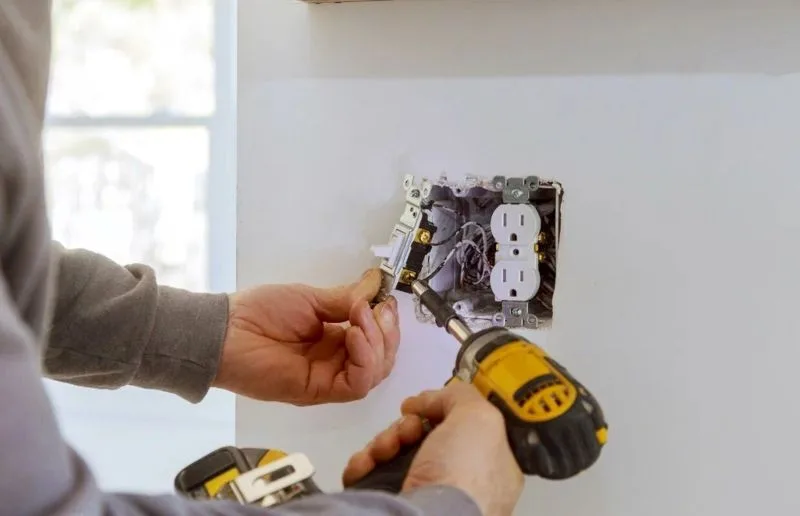
Electricity plays an essential role in modern living, supporting everything from household lighting and heating to commercial machinery, computer systems and security equipment. When an electrical installation is properly maintained, it helps ensure that these systems operate safely and efficiently. However, ageing wiring, damaged components and changing power requirements can create problems that need professional attention.
Electrical Repair & Installation in Rickmansworth services help property owners maintain reliable electrical systems, resolve faults and introduce new equipment safely. Whether a homeowner needs additional sockets or a business requires a complete lighting upgrade, professional electrical work can improve functionality while reducing the risks associated with faulty installations.
Electrical systems are often overlooked until something stops working. A flickering light, a socket that becomes unusually warm or a circuit breaker that repeatedly trips may indicate an underlying problem. Addressing these warning signs promptly can prevent further damage and help protect occupants.
Choosing a competent electrician is therefore an important part of property maintenance. Professional assessment, appropriate materials and careful testing help ensure that electrical work meets the requirements of the installation and supports long-term safety.
Understanding Electrical Repair Services
Electrical repairs involve identifying and correcting faults that affect the performance or safety of an existing electrical system. These problems can develop gradually through wear and tear or appear suddenly following equipment failure, accidental damage or changes in electrical demand.
Common repair work includes replacing damaged sockets and switches, investigating power interruptions, repairing faulty lighting circuits and identifying problems within consumer units. Electricians may also investigate loose connections, deteriorated cable insulation and protective devices that operate unexpectedly.
Accurate fault diagnosis is particularly important because similar symptoms can have different causes. For example, flickering lights may result from a faulty lamp, a loose connection or a wider circuit issue. Replacing the bulb alone will not resolve the problem if the underlying cause lies within the wiring.
A qualified electrician can inspect the affected equipment, carry out suitable tests and determine the most appropriate repair. This approach helps avoid unnecessary replacements and reduces the likelihood of the same fault returning.
Repairs should never be treated as a purely cosmetic task. Electrical components that appear damaged or outdated may present hidden hazards, making professional assessment essential before the system is returned to normal use.
When Should You Arrange an Electrical Installation?
Electrical installation work is required when a property needs new electrical equipment, additional circuits or changes to its existing layout. It may also be necessary during renovations, extensions, commercial fit-outs and upgrades to older electrical systems.
Homeowners often arrange installations when adding new lighting, installing outdoor power points or creating additional sockets in rooms where electrical demand has increased. Businesses may require new circuits for office equipment, upgraded lighting for larger premises or dedicated supplies for specialist machinery.
Modern lifestyles can place greater demands on electrical installations than they did when older properties were originally wired. New appliances, home working equipment and electric vehicle charging facilities may require careful planning to ensure that the existing installation can accommodate the additional load.
Before beginning installation work, an electrician should assess the property’s requirements, the capacity of the existing system and any relevant safety considerations. The correct equipment and cable specifications must be selected for the intended application.
Planning is particularly important during renovation projects. Coordinating electrical work with builders, plumbers and other trades can reduce delays, avoid unnecessary rework and help ensure that sockets, switches and lighting are positioned where they are most useful.
Common Electrical Installation Projects
Lighting Installation and Upgrades
Lighting affects both the appearance and functionality of a property. Well-planned lighting can improve visibility, create a comfortable atmosphere and support productive working environments.
Electrical installation services may include ceiling lights, recessed lighting, exterior security lights and energy-efficient LED systems. Commercial premises may also require emergency lighting or lighting arrangements designed for specific working conditions.
An electrician can help determine suitable positions, switching arrangements and circuit requirements. Outdoor installations require particular attention to equipment ratings and protection against environmental conditions.
Socket and Switch Installation
Additional sockets can make a property more convenient by reducing reliance on extension leads and multi-way adaptors. This is particularly useful in kitchens, home offices, bedrooms and commercial workspaces where electrical equipment is frequently used.
The installation must account for the existing circuit, expected electrical load and the location of the new outlet. Simply adding more sockets does not automatically increase the amount of power a circuit can safely supply.
Switch replacements and upgrades can also improve accessibility and usability, provided that the selected components are suitable for the installation.
Consumer Unit Replacement
A consumer unit distributes electricity to different circuits and contains protective devices designed to help reduce electrical risks. If the existing unit is damaged, unsuitable or no longer provides an appropriate level of protection, an electrician may recommend an upgrade.
The correct solution depends on the condition of the installation, the type of protective devices required and the property’s current and anticipated electrical demand.
Replacing a consumer unit should involve appropriate inspection and testing of the associated circuits. Any defects identified during the process may need to be addressed before the installation can be considered satisfactory.
Electrical Work for Extensions and Renovations
Home extensions, loft conversions and major refurbishments often require changes to existing circuits or the installation of entirely new electrical systems.
Early planning helps ensure that lighting, sockets, appliances and other electrical requirements are incorporated into the building design. It can also reduce the risk of cables needing to be moved after plastering or decorating has begun.
Commercial renovation projects benefit from similar coordination, particularly where electrical work must accommodate new layouts, additional equipment or changes in how the premises will be used.
The Value of 24-Hour Electrical Availability
Electrical problems can arise outside standard working hours, creating inconvenience or serious safety concerns for property owners. A failed lighting circuit, damaged wiring or an electrical fault affecting essential equipment may require urgent professional attention.
Access to 24/7 Electricians in Watford can help homeowners, landlords and businesses arrange assistance when an urgent issue occurs during evenings, weekends or public holidays. This availability can be particularly valuable when a fault needs to be assessed promptly to determine whether equipment or circuits should remain isolated.
However, round-the-clock availability does not guarantee that every repair can be completed immediately. The nature of the fault, the availability of replacement parts and the need for further testing can affect the time required.
If you notice smoke, flames or an immediate threat to life, leave the affected area and contact the emergency services. Never touch damaged electrical equipment or attempt repairs while a hazard is present.
For less immediate problems, explain the symptoms clearly when contacting an electrician. Details such as repeated power interruptions, burning smells or damaged sockets can help the professional assess the situation and prepare for the visit.
Why Electrical Safety and Compliance Matter
Electrical work must be completed with appropriate attention to safety, workmanship and applicable regulations. Poorly installed wiring, unsuitable components and inadequate testing can create hazards that remain hidden until a fault occurs.
In the UK, electrical work should comply with the relevant requirements of the Building Regulations and applicable electrical installation standards. Certain domestic electrical work in England and Wales is also subject to specific notification requirements, depending on the nature and location of the work.
Using a competent electrician helps ensure that installations are assessed and tested appropriately. Depending on the work undertaken, relevant documentation may include an Electrical Installation Certificate or a Minor Electrical Installation Works Certificate.
An Electrical Installation Condition Report (EICR) is different from a certificate for newly completed work. It records the findings of an inspection of an existing installation and identifies any defects or observations requiring attention.
Property owners should retain relevant records and follow recommendations arising from inspections. These documents can also help landlords and property managers maintain a clear history of electrical maintenance.
How Regular Maintenance Helps Prevent Electrical Problems
Preventative maintenance can help identify deterioration before it develops into a more serious fault. Although no maintenance programme can eliminate every risk, regular inspections and timely repairs support the safe operation of electrical systems.
Property owners should pay attention to warning signs such as discoloured sockets, damaged cables, unusual buzzing sounds and circuit breakers that trip repeatedly. These symptoms should be investigated rather than ignored.
Avoid overloading sockets, using damaged extension leads or operating electrical appliances with visibly defective plugs or cables. Equipment should be used according to the manufacturer’s instructions and removed from service if it becomes unsafe.
The appropriate frequency of electrical inspections depends on the property’s age, condition, use and applicable requirements. Rental properties, commercial premises and buildings with demanding operating conditions may need particular attention.
During renovation or expansion, it is also worth reviewing whether the existing installation remains suitable for the property’s needs. Planning upgrades before electrical demand increases can help avoid future disruption.
Choosing the Right Electrical Contractor
Selecting a suitable electrical contractor involves more than comparing prices. Property owners should consider qualifications, experience, reliability and the contractor’s ability to undertake the specific work required.
Ask whether the electrician has experience with similar installations or repairs and whether relevant inspection, testing and certification will be provided. For certain types of domestic work, registration with an appropriate competent person scheme may be relevant.
Written quotations can help clarify the work included, the materials required and any additional charges that may apply. It is also sensible to discuss access arrangements, expected completion times and how unexpected faults will be handled.
Communication matters throughout the project. A reliable electrician should explain the findings of an inspection, outline the available options and identify any limitations before proceeding where circumstances allow.
Taking time to select a competent professional can help property owners avoid poor workmanship, repeated repairs and unnecessary expenditure.
Conclusion
Reliable electrical systems are essential for comfortable homes, productive workplaces and safe commercial environments. Professional electrical repair and installation services help resolve faults, support modern electrical requirements and maintain the performance of existing systems.
From replacing damaged sockets and upgrading lighting to installing new circuits and modernising consumer units, every project requires suitable planning and attention to safety. Regular maintenance and timely professional inspections can also help identify problems before they cause greater disruption.
By choosing a competent electrician, using appropriate equipment and ensuring that completed work is properly tested, property owners can protect their installations and improve long-term reliability. Investing in quality electrical work is not simply about restoring power or adding convenience; it is about creating a safer, more efficient property that meets present needs and remains prepared for future demands.