Elevating Dessert Menus: The Art of Balancing Textures in Fine Dining Number of
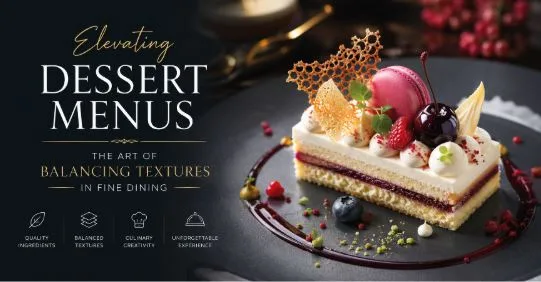
Creating an unforgettable dessert is about much more than sweetness. In fine dining, chefs carefully combine flavors and textures to deliver a memorable experience with every bite. High-quality pastry products play an important role in bringing these creative dessert concepts to life.
The perfect dessert balances smooth, crunchy, creamy, and light elements in a way that keeps every bite exciting. When different textures work together, they enhance both the flavor and presentation, making desserts more enjoyable and visually appealing.
As fine dining continues to evolve, texture has become a key ingredient in modern dessert design. From elegant plated creations to innovative pastry products, mastering the art of texture helps chefs create desserts that impress guests and leave a lasting impression.
Why Texture Matters More Than Ever in Fine Dining
Texture is what makes a dessert truly unforgettable. It turns simple flavors into a rich sensory experience. A balance of crunch, creaminess, and softness keeps every bite exciting.
Professional chefs use texture to make pastry products look and taste more premium. It also adds depth without making desserts overly sweet. In fine dining, the perfect texture often leaves a stronger impression than flavor alone.
Understanding Texture Profiling in Modern Pastry Arts
Texture profiling is the process of combining different textures in one dessert. It helps chefs create a more enjoyable eating experience. Every layer is designed to add something unique to the final bite.
Smooth creams, crisp toppings, and soft fillings work together beautifully. This technique makes pastry products more appealing and memorable. In modern pastry arts, balanced textures are just as important as great flavor.
Building Contrast Without Overwhelming the Palate
Great desserts are all about balance, not excess. The right mix of textures makes pastry products more enjoyable without overpowering the palate.
- Balance Every Texture: Pair creamy layers with one crisp element to create contrast without making the dessert feel too busy.
- Keep Flavors in Harmony: Choose textures that support the main flavor instead of competing with it for attention.
- Focus on the Guest Experience: Every crunchy, smooth, or airy component should add value and make each bite more satisfying.
The Psychology Behind Texture
Texture shapes how people experience every dessert. A crunchy bite feels exciting, while a creamy spoonful brings comfort. Different textures make flavors seem richer and more balanced.
This is why chefs carefully design premium pastry products with a variety of textures. The right combination keeps guests interested from the first bite to the last. A memorable texture often makes a dessert impossible to forget.
Visual Appeal Begins With Texture
People notice a dessert with their eyes before the first bite. Different textures make every plate look more elegant and inviting. Crispy, smooth, and glossy finishes add depth to the presentation.
Well-crafted pastry products stand out because they combine beauty with great texture. Simple details can turn an ordinary dessert into a premium creation. A visually appealing dessert builds excitement before guests even taste it.
Pairing Flavors Through Texture: The Secret to Memorable Desserts
The best desserts combine delicious flavors with balanced textures. Thoughtfully crafted pastry products create a satisfying experience that guests remember.
- Mix Soft and Crisp: Pair creamy fillings with crunchy toppings to make every bite more enjoyable.
- Balance Rich and Fresh Flavors: Add light fruit or citrus elements to complement rich chocolate or cream-based desserts.
- Create a Lasting Experience: When flavors and textures work together, desserts feel more exciting and leave a memorable impression.
Seasonal Ingredients Bring Fresh Texture Opportunities
Seasonal ingredients add freshness and variety to every dessert. They bring natural textures that enhance both flavor and presentation. Fresh fruits, nuts, and herbs create exciting contrasts in every bite.
Using seasonal ingredients also improves the quality of pastry products. Chefs can refresh their menus throughout the year with new ideas. This keeps desserts creative, vibrant, and enjoyable for every guest.
Innovation Is Reshaping Modern Dessert Menus
Modern dessert menus continue to evolve with fresh ideas and creative techniques. Chefs are blending classic recipes with innovative textures and presentations. New ingredients help create unique and exciting pastry products.
Guests now expect desserts that are both beautiful and memorable. Innovation encourages chefs to experiment while maintaining quality and balance. This creative approach keeps fine dining desserts ahead of changing trends.
How disjobelusa Inspires Elevated Dessert Experiences
Disjobelusa encourages creativity and quality in modern dessert making. Its innovative approach helps chefs craft premium pastry products with confidence.
- Supports Creative Dessert Design: disjobelusa inspires chefs to combine flavors and textures for elegant, memorable desserts.
- Promotes Consistent Quality: Reliable ingredients and thoughtful solutions help create pastry products with excellent taste, texture, and presentation.
- Encourages Culinary Innovation: The brand motivates professionals to explore new ideas while maintaining the high standards of fine dining.
Tips for Creating Texture-Driven Fine Dining Desserts
Balanced textures can turn a simple dessert into a fine dining experience. Well-crafted pastry products delight guests with every bite.
- Layer Different Textures: Combine creamy, crunchy, and soft elements to create a balanced and enjoyable dessert.
- Use Fresh Quality Ingredients: High-quality ingredients improve the texture, flavor, and overall appeal of pastry products.
- Keep the Design Simple: Add only meaningful components so every texture enhances the dessert without overwhelming the palate.
The Future of Texture in Fine Dining
The future of fine dining will focus on smarter texture combinations. Chefs will continue exploring fresh ideas and modern techniques. Balanced textures will make pastry products more exciting and enjoyable.
Guests will look for desserts that offer both flavor and a unique experience. Creativity and precision will shape the next generation of dessert menus. Texture will remain a key element in creating unforgettable fine dining moments.
Final Thoughts
Great desserts are created through the perfect balance of flavor, texture, and presentation. Every crunchy, creamy, and smooth element adds value to the final experience. Carefully crafted pastry products help chefs deliver desserts that are both beautiful and memorable.
As fine dining continues to evolve, texture will remain a key part of dessert innovation. Thoughtful design and creativity ensure every dessert leaves guests with a lasting impression.
FAQ’s
Why Is Texture Important In Fine Dining Desserts?
Texture adds variety to every bite and makes desserts more enjoyable. It enhances both flavor and the overall dining experience.
How Do Chefs Create Balanced Dessert Textures?
They combine elements like creamy, crunchy, soft, and light components. Each texture is chosen to complement the others.
Why Are High-Quality Pastry Products Important?
Premium pastry products provide better consistency, flavor, and texture, helping chefs create impressive desserts.
Can Texture Improve Dessert Presentation?
Yes. Different textures add depth and visual appeal, making desserts look more elegant and inviting before the first bite.