Emergency Fuel Delivery: Keeping Your Fleet and Job Site Moving When the Tank Runs Low
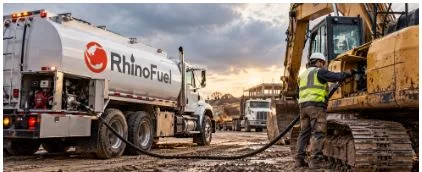
A truck stalls on a delivery route, a generator sputters during a storm, or a construction crew shows up at 6 a.m. to find the equipment tanks nearly empty. These moments cost money fast, and they rarely happen at a convenient time. That is exactly where Emergency Fuel Delivery steps in, bringing diesel, gasoline, or DEF straight to your location so work can continue without a long detour to the nearest station.
For business owners and fleet managers, running out of fuel is more than an inconvenience. It means idle workers, missed deadlines, spoiled cargo, and unhappy customers. Knowing how a fast fuel service works (and when to call one) can save you a lot of stress.
What Is Emergency Fuel Delivery?
Emergency Fuel Delivery is an on demand service where a certified driver brings fuel directly to your vehicles, equipment, or storage tanks. Instead of sending trucks off route or hauling fuel cans by hand, you place an order and the fuel comes to you.
Most providers offer:
- Clear diesel for on road trucks and fleet vehicles
- Dyed diesel for off road equipment, generators, and farm machinery
- Gasoline for smaller vehicles and tools
- DEF (Diesel Exhaust Fluid) for modern diesel engines
- Bulk fuel for larger tanks and ongoing operations
Good services also meter every delivery, so you only pay for the exact gallons pumped into your tanks.
Who Needs a Fast Fuel Service?
Plenty of industries depend on steady fuel supply. When that supply breaks down, the effects spread quickly across the whole operation.
Trucking Fleets
A single stranded truck can throw off an entire delivery schedule. With a quick fuel drop, drivers get back on the road without wasting hours searching for help.
Construction Sites
Excavators, loaders, and cranes burn through fuel all day. If a tank runs empty mid project, the whole crew stands around waiting. Having fuel brought on site keeps the job moving and the budget intact.
Warehouses and Distribution Centers
Forklifts, yard trucks, and backup power systems all need fuel. A short outage can slow loading docks and delay shipments.
Generators and Backup Power
During storms, grid failures, or planned outages, generators keep hospitals, data centers, and businesses powered. An Emergency Fuel Delivery service keeps them running when every hour matters.
Reefer Trailers
Refrigerated trailers carry food, medicine, and other temperature sensitive goods. If a reefer unit runs dry, the entire load could spoil. Fast refueling protects both the cargo and your reputation.
Key Benefits of Calling for Fuel On Site
Speed When It Counts
Some providers deliver in under four hours, which can make the difference between a small delay and a lost contract. Fast response is the whole point of this kind of service.
Round the Clock Availability
Fuel problems do not follow business hours. A service running 24/7 means you can get help late at night, on weekends, or during holidays.
No Long Contracts
Many businesses avoid fuel services because they fear being locked into long agreements. Flexible providers let you place a one time order during a crisis, or set up recurring deliveries if you like the convenience.
Safer Handling
Carrying fuel cans in the back of a pickup is risky and messy. Certified drivers follow proper safety steps, reducing spills and accidents on your property.
Accurate Billing
Metered deliveries give you clear records of every gallon. This helps with budgeting, tax reporting, and tracking fuel use across your fleet or sites.
How to Prepare Before You Need Help
The best time to find an Emergency Fuel Delivery provider is before an emergency actually happens. A little preparation makes the process smoother:
- Save a provider’s contact details in your phone and share them with site managers and drivers.
- Know your fuel types for each vehicle and piece of equipment, so you order the right product.
- Keep tank locations clear so the delivery truck can reach them without trouble.
- Track your usage to spot patterns and decide if recurring deliveries make more sense.
- Have someone on site who can point the driver to the right tanks or equipment.
One Time Orders vs Recurring Deliveries
Emergency calls are great for unexpected problems, but many businesses find that regular deliveries prevent those problems in the first place. If your trucks, generators, or machines use fuel at a steady rate, a recurring schedule can stop shortages before they start.
On the other hand, if your needs change from week to week, one time orders give you freedom to buy fuel only when you need it. The right choice depends on your workload, budget, and how much storage you have on site.
What to Look for in a Provider
Not every fuel company offers the same level of service. Before you pick one, check for:
- Nationwide or wide regional coverage
- Clear pricing with metered delivery
- Trained and certified drivers
- Support for diesel, gasoline, DEF, and bulk orders
- Fast response times with real availability at night and on weekends
- No hidden fees or forced contracts
A reliable partner treats your downtime like their own problem, answering quickly and showing up when promised.
Picture that same truck on the shoulder, that same quiet generator, that same crew waiting by an empty excavator. Now picture a fuel truck rolling in, a driver hooking up a hose, and engines starting again within the hour. With a solid Emergency Fuel Delivery plan in your back pocket, the second picture is the one you get to live with.