Enhance Home Safety with Smart Smoke and CO Detectors
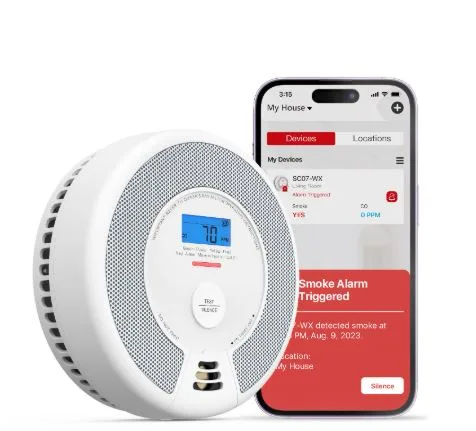
Every year, house fires and carbon monoxide poisoning claim thousands of lives — many of which could have been prevented with faster, smarter detection. Carbon monoxide, often called the “silent killer,” is invisible and odorless, making it nearly impossible to detect without the right equipment. Meanwhile, the National Fire Protection Association reports that home fires cause over 2,500 deaths annually in the United States alone, with many occurring because alarms failed to alert occupants in time.
Traditional smoke and CO detectors have served households for decades, but they were designed for a simpler era. Today’s connected homes demand more — devices that don’t just beep, but communicate. Smart smoke and CO detectors represent the next generation of home safety, combining wireless connectivity, real-time smartphone alerts, and voice alarm capabilities into a single, intelligent system.
This article is designed for tech-savvy homeowners who want to move beyond outdated safety equipment and embrace solutions that fit seamlessly into a modern smart home. Whether you’re building a connected ecosystem from scratch or upgrading existing detectors, this guide will walk you through everything you need to know — from key features to installation — so you can protect what matters most with confidence.
The Evolution of Home Safety: From Traditional to Smart Detectors
Conventional smoke and carbon monoxide detector designs have a fundamental design flaw: they only alert people who are physically present to hear them. A standalone alarm beeping in an empty house offers no protection to a homeowner who’s at work or asleep in a far corner of the home. Battery failures, false alarms that train people to ignore warnings, and the complete absence of any diagnostic feedback are all problems that have plagued traditional detectors for years. These devices do one thing — make noise — and that’s simply not enough anymore.
The broader shift toward smart home technology has created a natural opening for a new generation of safety devices. As thermostats, door locks, and lighting systems became interconnected and remotely controllable, it was only a matter of time before smoke and CO detection followed suit. Wireless smoke detectors eliminate the dependency on hardwired systems, making it far easier to retrofit older homes without expensive electrical work. Smart alarms take this further by transforming a simple audible alert into a multi-channel notification system that reaches you wherever you are.
This evolution isn’t just about convenience — it’s about closing the gaps that cost lives. A smart detector that sends an immediate push notification to your phone, triggers interconnected alarms throughout the house, and verbally identifies the specific threat represents a genuine leap in protective capability. For modern homeowners who manage their lives through connected devices, upgrading to smart smoke and CO detectors means their safety infrastructure finally matches the intelligence of everything else in their home.
Key Features of Smart Smoke and CO Detectors
Wireless Connectivity for Seamless Installation
One of the most practical advantages of modern smart detectors is the elimination of complex wiring. Wireless smoke detectors communicate through Wi-Fi, Z-Wave, or Zigbee protocols, allowing homeowners to place units anywhere without routing cables through walls. This makes retrofitting older homes dramatically simpler — no electrician required, no drywall damage, no costly rewiring projects. Setup typically takes under ten minutes: mount the unit, connect it to your home network through a companion app, and the device is operational. Wireless systems also enable interconnectivity, meaning if one detector triggers, every unit in the home sounds simultaneously, ensuring no one sleeps through an alarm in a distant room.
Smart Alarm Systems with Real-Time Alerts
The defining capability of a smart alarm system is its ability to reach you regardless of where you are. When a detector senses smoke or elevated CO levels, it immediately pushes a notification to your smartphone — even if you’re at the office, traveling, or simply outside in the yard. These alerts specify which detector triggered and what threat was detected, giving you actionable information rather than just a panic-inducing beep. Some systems integrate with emergency services or allow you to share alerts with family members, ensuring multiple people receive simultaneous warnings. This real-time responsiveness transforms a passive device into an active safety partner.
Voice Alarm Capabilities for Clear Communication
A piercing beep tells you something is wrong — a voice alarm tells you exactly what to do. Smart detectors equipped with voice capabilities announce the specific threat in plain language: “Warning: smoke detected in the kitchen” or “Carbon monoxide alert — evacuate immediately.” This distinction is critical during nighttime emergencies when disorientation is common, particularly for children and elderly occupants who may not respond quickly to generic tones. Voice guidance removes ambiguity, helping occupants make faster, more informed decisions about whether to evacuate, investigate, or call emergency services.
How Smart Detectors Address Tech-Savvy Needs
Integration with Smartphone Apps for Remote Monitoring
For homeowners already managing their lives through connected devices, a smoke detector that works in isolation feels like a step backward. Smart detectors solve this through dedicated companion apps that put full system control in your pocket. From a single dashboard, you can check the battery status of every unit in the house, review detection history, test alarms remotely, and receive instant push notifications the moment a threat is identified. Some platforms support geofencing, automatically adjusting alert sensitivity based on whether you’re home or away. When you’re traveling and an alarm triggers, the app delivers a timestamped notification identifying the exact device and threat type — giving you the information needed to call a neighbor, contact emergency services, or remotely silence a false alarm caused by burnt toast.
Advanced Safety Features: Beyond Basic Alarms
Tech-savvy users expect more than reactive alerts — they want devices that actively contribute to a safer environment. Modern smart detectors deliver through a range of sophisticated capabilities. Environmental data logging tracks CO and smoke levels over time, allowing you to spot trends that might indicate a slow gas leak or chronic ventilation problem before it becomes a crisis. Customizable alert thresholds let you fine-tune sensitivity to reduce false alarms without compromising genuine threat detection. Some devices, such as those in the X-Sense smart detector lineup, offer self-diagnostic reporting, pushing maintenance reminders directly to your phone when sensor performance degrades or battery levels drop below acceptable thresholds. Voice customization features allow you to set alerts in multiple languages, making the system accessible to every household member. These layered capabilities transform a simple safety device into an intelligent monitoring platform that continuously works in the background — precisely the kind of proactive, data-informed protection that resonates with users who hold their technology to a higher standard.
Step-by-Step Guide to Choosing and Installing Smart Detectors
Assessing Your Home’s Safety Requirements
Before purchasing a single device, take stock of your home’s layout and specific risk factors. Walk through each floor and identify rooms with the highest hazard potential — kitchens, garages, utility rooms with gas appliances, and sleeping areas all warrant dedicated coverage. Building codes typically require smoke detectors in every bedroom, outside each sleeping area, and on every level of the home; CO detectors should be placed near bedrooms and within ten feet of any fuel-burning appliance. Larger homes or multi-story layouts may need additional units to ensure alarm sounds reach every occupied space. Note whether your walls are plaster, drywall, or concrete, as this affects mounting hardware choices. Also consider household members with hearing impairments, who may benefit from detectors with strobe light capabilities alongside audio alerts.
Selecting the Right Smart Detector: Features to Look For
Not all smart detectors are created equal, so prioritize features that match your actual usage patterns. Wireless capability — whether Wi-Fi, Z-Wave, or Zigbee — determines how the device communicates and whether it integrates with your existing smart home platform. Real-time smartphone alerts are non-negotiable for remote monitoring; confirm the companion app is compatible with both iOS and Android. Voice alarm functionality should clearly distinguish between smoke and CO threats rather than using a generic tone. Battery backup is essential for maintaining protection during power outages. Finally, verify that the detector carries certification from recognized testing laboratories such as UL or EN, which confirms the device meets established safety performance standards.
Installation and Setup Process for Optimal Performance
Installation is straightforward when approached methodically. First, download the manufacturer’s companion app and create an account before touching the hardware — this streamlines the pairing process considerably. Mount each detector at the correct height: smoke rises, so ceiling or high-wall placement captures it fastest, while CO detectors perform well at roughly knee to chest height near sleeping areas. Use the included hardware to secure the base plate, then attach the detector and power it on. Open the app and follow the guided pairing sequence, which typically involves connecting the device to your home Wi-Fi network and assigning it a room label. Once paired, run a manual test by pressing the test button and confirming the alert appears on your phone within seconds. Finally, test interconnectivity by triggering one unit and verifying that all others sound simultaneously — this confirms your whole-home network is functioning correctly.
Integrating Smart Detectors into Your Smart Home Ecosystem
Smart smoke and CO detectors reach their full potential when they operate as part of a broader connected home network rather than as standalone devices. Most modern smart detectors are designed with interoperability in mind, supporting popular platforms like Amazon Alexa, Google Home, Apple HomeKit, and Samsung SmartThings. This compatibility unlocks powerful automation scenarios — when a smoke detector triggers, your smart home hub can simultaneously unlock smart door locks for faster evacuation, shut down HVAC systems to prevent smoke circulation, and flash connected lights to guide occupants toward exits. These coordinated responses happen in seconds, without any manual input required.
For homeowners already invested in a smart home ecosystem, choosing a detector that speaks the same protocol as your existing devices eliminates compatibility headaches. Z-Wave and Zigbee devices integrate cleanly with most hub-based systems, while Wi-Fi detectors work well in homes without a dedicated hub but require a stable network connection. Before purchasing, confirm that the detector appears on your platform’s official compatibility list rather than relying solely on manufacturer claims.
Maintaining your system is as important as installing it correctly. Smart detectors simplify this through automated self-checks that push maintenance reminders directly to your phone — typically when sensors degrade or batteries drop below safe thresholds. As a general rule, replace the entire unit every eight to ten years regardless of apparent functionality, since sensor accuracy diminishes over time. Looking ahead, the trajectory of smart safety technology points toward deeper AI integration, with future devices — including those from fire safety specialists like X-Sense — capable of distinguishing between cooking smoke and structural fire smoke to dramatically reduce false alarms while maintaining genuine threat sensitivity.
Upgrade Your Home Safety with Smart Detection Technology
Smart smoke and CO detectors represent a genuine leap forward in home safety — not just an incremental upgrade, but a fundamental rethinking of how protection should work in a connected world. Real-time smartphone alerts ensure you’re notified the moment a threat emerges, whether you’re asleep upstairs or halfway across the country. Voice alarm capabilities remove the confusion that generic beeps create during high-stress emergencies, guiding occupants toward faster, better decisions. Wireless installation eliminates the barriers that kept many homeowners stuck with outdated equipment, and seamless integration with existing smart home platforms means your safety system works in concert with everything else you rely on daily.
For tech-savvy homeowners, the case is straightforward: the tools you use to manage your home have grown smarter, and your safety infrastructure should be no exception. A detector that can only beep is no longer sufficient when alternatives exist that actively communicate, self-diagnose, and coordinate with your broader smart home ecosystem.
The best time to upgrade is before an emergency makes the decision for you. Start by assessing your current coverage, identify the gaps, and choose devices that match both your home’s layout and your smart home platform. Your household’s safety deserves the same level of intelligence you expect from every other connected device in your life — make the upgrade today.