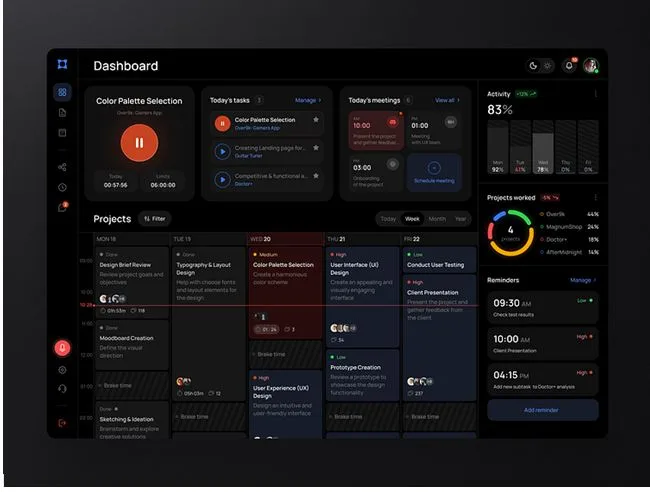
Enhancing Workplace Safety Through PROACTIVE COMPLIANCE Measures
Workplace safety is no longer just a legal obligation, it has become a critical aspect of organizational culture. Companies that prioritize safety not only protect their employees but also boost productivity, employee morale, and overall organizational reputation. One of the most effective ways to achieve this is through PROACTIVE COMPLIANCE strategies that anticipate risks and prevent incidents before they occur.
Understanding PROACTIVE COMPLIANCE in the Workplace
PROACTIVE COMPLIANCE goes beyond simply meeting regulatory requirements. It involves identifying potential hazards, implementing preventive measures, and continuously monitoring processes to ensure safety standards are maintained. Unlike reactive approaches, which respond only after incidents occur, proactive compliance empowers organizations to anticipate risks, reduce liability, and create a safer work environment.
Proactive compliance includes practices such as regular risk assessments, employee training programs, safety audits, and maintaining up-to-date knowledge of local, state, and federal workplace safety regulations. Organizations that adopt these measures often see reduced workplace accidents, lower insurance premiums, and enhanced employee trust.
The Importance of Risk Assessment
Risk assessment is the foundation of any proactive compliance strategy. By systematically identifying potential hazards in the workplace, organizations can take preemptive steps to mitigate risks.
For instance, in industrial environments, machinery and equipment pose significant risks. Regular inspections, proper maintenance schedules, and employee training on equipment usage can prevent accidents. Similarly, in office settings, ergonomic assessments, proper lighting, and clear emergency protocols help reduce the likelihood of injuries.
A comprehensive risk assessment should include:
- Identifying physical, chemical, biological, and ergonomic hazards
- Evaluating the likelihood and impact of each hazard
- Implementing measures to control or eliminate risks
- Documenting the findings and updating them regularly
Organizations that integrate risk assessment into their safety culture are better equipped to handle unexpected incidents and maintain compliance with regulatory standards.
Training and Employee Engagement
Even the best safety protocols can fail if employees are unaware of them or do not follow procedures correctly. Training is therefore a critical component of PROACTIVE COMPLIANCE.
Effective training programs should be ongoing, interactive, and tailored to specific workplace hazards. Employees should understand not only how to perform their tasks safely but also the reasons behind each safety procedure. Encouraging a culture of safety includes empowering employees to report hazards, participate in safety committees, and provide feedback on existing policies.
Engaging employees in safety initiatives fosters accountability and reinforces the importance of a proactive approach. Companies can leverage tools and platforms like WorkPlacePLUS to streamline training, track compliance, and monitor the effectiveness of safety programs across different departments.
Leveraging Technology for Compliance
Modern technology plays a pivotal role in enhancing workplace safety. Digital platforms allow organizations to monitor compliance in real-time, conduct virtual audits, and track training completion.
WorkPlacePLUS, for example, offers integrated solutions to manage workplace safety, track incidents, and provide analytics for better decision-making. By automating documentation, incident reporting, and compliance tracking, organizations reduce the chances of human error and ensure that safety protocols are consistently applied.
Technology also supports predictive analytics, allowing companies to identify patterns and trends that could indicate potential risks. This predictive capability aligns perfectly with the proactive compliance philosophy—preventing incidents before they happen rather than reacting afterward.
Continuous Improvement and Safety Culture
A safe workplace is never a static achievement. Continuous improvement is a core principle of proactive compliance. Organizations must regularly review safety protocols, update training programs, and adapt to new regulations or workplace changes.
Promoting a strong safety culture involves leadership commitment, clear communication, and recognition of safe practices. Employees are more likely to embrace safety initiatives when they see management prioritizing compliance and modeling safe behaviors. Regular feedback loops, safety committees, and employee recognition programs help maintain momentum and reinforce the importance of safety as a shared responsibility.
Benefits of Proactive Compliance
Investing in PROACTIVE COMPLIANCE offers tangible benefits:
- Reduced Workplace Accidents: Anticipating and mitigating risks lowers the frequency of injuries and incidents.
- Regulatory Compliance: Staying ahead of safety regulations minimizes legal risks and potential fines.
- Enhanced Employee Morale: Employees feel valued when their safety is prioritized, improving engagement and retention.
- Cost Savings: Fewer incidents mean reduced workers’ compensation claims and lower insurance premiums.
- Reputation Management: Organizations known for safe practices attract talent and build trust with clients and partners.
By embedding proactive compliance into organizational processes, companies not only fulfill legal obligations but also create a safer and more productive workplace.
Conclusion
Workplace safety is an ongoing commitment that requires foresight, planning, and consistent effort. By implementing PROACTIVE COMPLIANCE measures, organizations can anticipate risks, prevent incidents, and foster a culture of safety. Platforms like WorkPlacePLUS provide the tools necessary to monitor, train, and manage safety protocols efficiently, ensuring that compliance is maintained across all levels of the organization.
Embracing proactive compliance is not just about avoiding fines, it is about safeguarding employees, promoting productivity, and building a workplace where safety and efficiency go hand in hand.