Ensure Pet Safety with Best Rated Dog Training Collar & DBDD GPS Tracker
Every 10 seconds, a pet goes missing in the United States — and for dog owners, that statistic hits close to home. Whether it’s a startled dog bolting through an open gate or a curious pup slipping a leash during a walk, the fear of losing a beloved companion is something most pet owners know all too well. The emotional toll is immense, and the frantic search that follows can feel helpless.
Modern dog ownership comes with a dual challenge: keeping your dog well-behaved and keeping them safe. Training alone isn’t enough when a determined dog decides to explore, and tracking alone won’t prevent the escape in the first place. That’s where combining a best rated dog training collar with a DBDD GPS tracker creates a genuinely comprehensive safety system. Together, these tools address the two biggest pain points dog owners face — reliable behavioral control and real-time location awareness. If you’ve ever watched your dog disappear around a corner or worried every time they’re off-leash, this guide is built for you.
Understanding Modern Pet Safety Needs for Dog Owners
Dog ownership has never been more rewarding — or more complex. As urban environments grow denser and outdoor spaces become more unpredictable, the risks facing our dogs have multiplied in ways previous generations of pet owners rarely had to consider. Traffic, strangers, wildlife, and unfamiliar terrain all pose genuine threats the moment a dog slips away from your side.
The scenarios are painfully familiar to most owners. A delivery truck backfires, and your dog bolts through a gap in the fence before you can react. A squirrel darts across the trail mid-walk, and the leash slips from your grip. A gate latch fails during a backyard barbecue, and suddenly your dog is three blocks away. These aren’t rare events — they happen every day across the country, and the consequences range from a stressful hour of searching to something far more heartbreaking.
Beyond the emotional devastation of losing a pet, the financial reality is sobering. Emergency veterinary care after road accidents, professional search services, and lost pet recovery fees can quickly climb into the thousands. For many families, a missing dog isn’t just a personal crisis — it’s a logistical and financial one too.
What today’s dog owners genuinely need is a layered approach to safety: tools that actively prevent escapes while simultaneously providing real-time awareness of their dog’s location. Reactive measures — putting up flyers, driving around the neighborhood — are no substitute for proactive systems that keep dogs close and accountable. The right combination of behavioral training tools and GPS technology transforms pet safety from a hope into a reliable, daily practice that gives owners genuine peace of mind.
What Defines a Best Rated Dog Training Collar for Safety?
A dog training collar is far more than a correction tool — in the right hands, it becomes a proactive safety device that keeps dogs within safe boundaries before a GPS tracker ever needs to activate. The best rated options on the market earn that designation through a combination of humane design, real-world durability, and consistent performance across different breeds and temperaments. User reviews and expert recommendations consistently point to the same core qualities: reliable range, multiple correction modes, and intuitive controls that owners can operate without fumbling during a tense moment.
What separates a genuinely top-rated collar from a mediocre one is how well it handles the unpredictable. A dog that bolts toward traffic doesn’t give you time to navigate complicated settings. The best collars respond instantly, with correction modes — typically vibration, tone, and static stimulation — that can be calibrated to your dog’s sensitivity level. Humane design means starting low and escalating only as needed, never defaulting to maximum stimulation. Experts and veterinary behaviorists consistently recommend collars that offer at least 8 to 16 adjustable stimulation levels, allowing precise control rather than a blunt on-off approach.
Essential Features to Prioritize for Pet Safety
When evaluating training collars for safety-focused use, four features rise above the rest. First, waterproof construction is non-negotiable — dogs don’t stop moving when it rains, and a collar that fails in wet conditions is a liability. Second, long battery life on both the collar and remote ensures the system works when you need it most, ideally lasting several days between charges. Third, a safety lock on the remote prevents accidental stimulation, which is especially important in households with children. Finally, a secure, adjustable fit prevents the collar from becoming a choking hazard or slipping off during vigorous activity. Each of these features directly reduces the risk of equipment failure at the exact moment your dog’s safety depends on it.
DBDD GPS Tracker: Advanced Solution for Location Alerts and Pet Safety
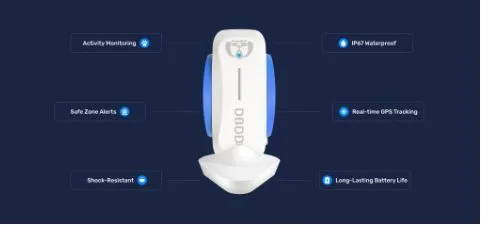
Even the most well-trained dog can have an off day — and that’s precisely where the DBDD GPS tracker fills the gap a training collar alone cannot. While behavioral tools work to prevent escapes, GPS technology ensures that if your dog does get away, you’re not left guessing. The DBDD tracker uses real-time satellite positioning to pinpoint your dog’s location with remarkable accuracy, giving you a live map view directly through a companion smartphone app. Whether you’re at home, traveling, or at a busy dog park, that connection to your dog’s exact whereabouts transforms anxiety into actionable information.
What sets the DBDD apart from basic pet trackers is its combination of reliable connectivity and intelligent alert systems. The device maintains consistent signal across both urban and rural environments, meaning coverage doesn’t drop the moment you leave the city. The companion app is built with everyday users in mind — clean, intuitive, and fast to load when seconds matter. Location history logs let you review where your dog has been, which is surprisingly useful for identifying patterns in wandering behavior and addressing them proactively through additional training.
How Geofencing and Location Alerts Work for Safe Zones
Geofencing is one of the DBDD tracker’s most practical features for safety-conscious owners. Setting up a virtual boundary takes less than two minutes in the app — you simply draw a perimeter around your home, yard, or any location you designate as a safe zone. The moment your dog crosses that boundary, the app sends an immediate push notification to your phone. You can create multiple geofences for different locations, such as a favorite park or a relative’s home during holiday visits. This instant alert system eliminates the delayed discovery that turns a short escape into a long, stressful search — putting you in control before distance becomes a problem.
Step-by-Step Guide to Integrating Your Pet Safety System
Building a reliable pet safety system isn’t complicated, but it does require a thoughtful approach to setup and consistency. The goal is to have your training collar and DBDD GPS tracker working as complementary layers — one shaping behavior, the other providing a safety net if behavior falls short. Start by selecting devices that suit your dog’s size and temperament. A collar that’s too powerful for a sensitive breed or too mild for a high-energy dog undermines the entire system from day one. Read manufacturer guidelines carefully and consult your vet if you’re uncertain about stimulation levels appropriate for your dog.
Once you have both devices, begin with the DBDD tracker setup. Download the companion app, create your account, and attach the tracker securely to your dog’s collar — it should sit snugly without restricting movement or breathing. Open the app and draw your first geofence around your home. Set the alert sensitivity so notifications arrive the moment your dog crosses the boundary, not several minutes later. Then charge the training collar remote and receiver fully before first use, and fit the collar two fingers below the jaw for proper contact without pressure on the throat.
Training integration comes next. Introduce the collar during low-stakes sessions in a familiar environment, starting at the lowest stimulation level and rewarding your dog for responding correctly. Never use the collar as punishment — pair every correction with a clear command so your dog learns what behavior is expected. During walks, keep the DBDD app open and glance at location updates periodically. If your dog begins drifting toward a boundary, use the training collar’s tone or vibration mode to redirect them before the GPS alert even triggers.
Monitoring and Adjusting for Long-Term Pet Safety
Consistency is what turns a good setup into a reliable system. Check both devices weekly — inspect battery levels, clean collar contact points, and verify that geofence boundaries are still accurately mapped, particularly after app updates. Review your dog’s location history monthly to spot any recurring patterns of boundary-testing that signal a need for additional training reinforcement. If you travel or visit new locations, create temporary geofences in advance so alerts are already configured before your dog explores unfamiliar ground. Small, regular adjustments keep the system performing at its best long after the initial setup.
Building a Safer Life for Your Dog Through Training and GPS Technology
Losing a dog is one of the most distressing experiences a pet owner can face — but it’s also one of the most preventable. By pairing a best rated dog training collar with the DBDD GPS tracker, you’re not just reacting to problems after they happen. You’re building a proactive safety system that works on two fronts simultaneously: shaping reliable behavior before an escape occurs and delivering real-time location awareness the moment something goes wrong.
The training collar gives you the behavioral control to redirect your dog away from danger in the moment, while the DBDD tracker’s geofencing and instant alerts ensure you’re never left in the dark if your dog slips away. Together, they close the gaps that either tool leaves on its own. The result isn’t just a safer dog — it’s a calmer, more confident owner who can enjoy walks, travel, and off-leash time without constant dread.
Taking action today means fewer sleepless nights and more meaningful moments with your dog. Set up your geofences, introduce the collar with patience and consistency, and let the system do what it’s designed to do. When your dog knows the boundaries and you always know their location, the bond between you grows stronger — built on trust, safety, and the peace of mind every dog owner deserves.