Environmental Chamber Buying Guide: How to Choose the Right System for Temperature, Humidity, and Reliability Testing
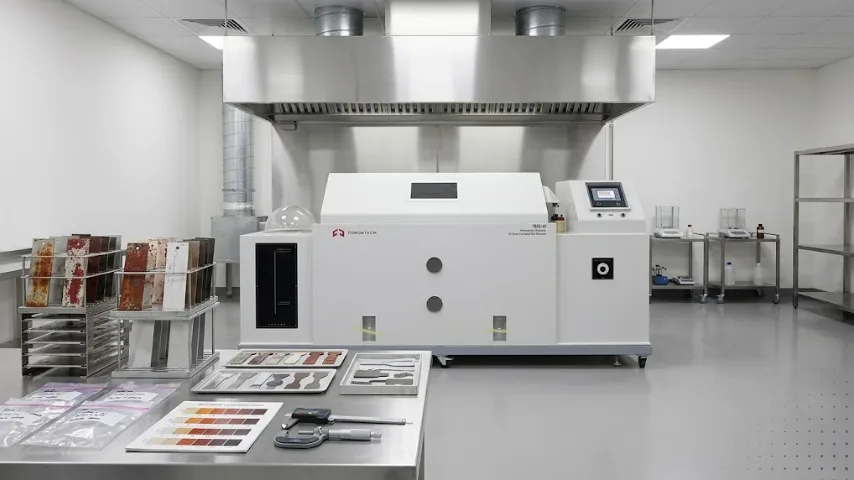
An Environmental Chamber simulates controlled conditions such as temperature, humidity, and altitude to evaluate product durability. This equipment recreates specific stresses to track how materials and components behave over time. Manufacturers use these systems to verify reliability during the early stages of development.
Choosing the correct model depends on the specific stress condition required for the test article. Torontech provides various chamber types to support these laboratory and industrial needs.
Reliability testing chambers measure material durability across diverse environments. An Environmental Chamber tracks performance under thermal and humidity stress to confirm resistance before market release. Repeatable validation happens during research and development (R&D), quality control (QC), and compliance workflows. Selecting the right hardware requires a clear understanding of the analytical objectives. Environmental Chamber options from Torontech.
What an Environmental Chamber Is Actually Helping You Verify
Testing teams use these systems to establish a baseline for product longevity. An Environmental Chamber provides the data necessary to understand physical and chemical changes under stress. This verification process typically includes:
- Material durability assessment for metals, plastics, and composites.
- Product reliability tracking for complex electronic assemblies.
- Performance monitoring under extreme thermal and humidity cycles.
- Environmental resistance verification before a product reaches the consumer.
- Repeatable validation within R&D, QC, and standardized compliance workflows.
Confirming these factors helps companies avoid field failures and warranty claims. Reliable data results from matching the chamber capability to the actual field stress.
Start With the Test Objective, Not the Chamber Name
Selecting a system starts with the specific test goal rather than a catalog category. High-quality testing follows the stress condition being simulated. Defining the failure mode you want to trigger helps narrow the selection.
Consider the following factors before looking at chamber specifications:
- Does the test require temperature only?
- Does the test require temperature plus humidity?
- Does the project require the evaluation of rapid expansion and contraction failures?
- Does the workflow necessitate altitude or low-pressure simulation?
- Does the lab need to test for weathering, dust, rain, or battery safety?
- Is the primary goal routine QC, reliability screening, or design validation?
Chamber categories should follow the stress condition being simulated. Identifying these needs early prevents the purchase of a system that cannot reach the required setpoints.
Temperature and Humidity Chambers: The Most Common Starting Point
Standard systems represent the first choice for broad reliability testing. An Environmental Test Chamber often serves as the core tool for materials and electronics labs. These units facilitate general product validation through controlled thermal and humidity cycles. Torontech offers temperature and humidity test chambers that align with these common laboratory requirements.
These chambers manage steady-state testing and basic cycling. Most reliability programs start here because temperature and moisture represent the most frequent causes of material degradation. These systems accommodate various test articles, from small electronic components to larger plastic housings. Standardizing on this type of Environmental Test Chamber provides a versatile foundation for most quality departments.
Benchtop Environmental Chamber vs Larger Systems
Physical format determines the throughput and the size of the items you can test. Understanding the difference between compact and floorstanding models helps optimize laboratory space.
Benchtop Environmental Chamber
Small-scale testing happens in these compact units. A Benchtop Environmental Chamber benefits R&D screening where space remains at a premium. Labs with tighter space constraints prefer this format for incoming inspection and routine validation. These units offer high flexibility and a smaller footprint while maintaining the precision of larger models.
Larger floorstanding or walk-in systems
Finished products and large assemblies fit inside these systems. Floorstanding units handle bigger components or multiple samples simultaneously. Walk-in environmental test chambers allow for the testing of oversized articles that cannot fit into standard frames. Multiple departments often share these larger units to manage high-throughput programs. Large-scale validation requires the added capacity and airflow stability found in these floorstanding configurations.
When a Standard Environmental Chamber Is Not Enough
Some failure modes require specialized stress that a standard unit cannot provide. Moving beyond basic temperature and humidity becomes necessary when the field environment is extreme.
- Thermal shock chambers manage rapid temperature transitions to reveal expansion failures.
- Altitude chambers recreate low-pressure environments for aerospace and high-elevation validation.
- Weathering chambers simulate sunlight and environmental aging for exposed materials.
- Explosion-proof designs protect users during volatile battery safety testing.
- Specialized chambers simulate rain, sand, or dust when the failure mode involves particle or liquid ingress.
Specialized Environmental Test Chamber systems target these unique conditions. Using the correct specialty chamber secures the validity of the data for specific mission-critical applications.
Chamber Family Selection: Which One Fits Your Reliability Testing Workflow?
Decision-making follows the reliability question being asked. A practical framework helps identify the correct chamber family.
Choose a standard temperature/humidity Environmental Chamber when…
General durability and reliability testing remain the primary goals. These units work best for materials that see controlled thermal and humidity cycles. This workflow serves broad needs and is not tied to a specialized stress mode.
Choose a Benchtop Environmental Chamber when…
Sample size is small and laboratory space remains limited. These units fit early-stage programs with moderate throughput. Flexibility and a compact footprint take priority over total batch capacity.
Choose a thermal shock, altitude, or specialty chamber when…
The failure mode is known and requires more specialized simulation. Standard chamber conditions do not simulate the true field stress. These programs require method-specific reliability validation.
Applications That Commonly Drive Chamber Selection
Diverse industries rely on these systems to verify product performance. Understanding these applications helps in selecting the right features.
- Materials testing: Evaluating metals, plastics, rubber, and composites for long-term stability.
- Battery testing: Monitoring safety and performance under thermal and humidity stress.
- Automotive and aerospace validation: Subjecting components to altitude, rain, and thermal shock.
- Semiconductor and electronics reliability: Tracking performance through rigorous temperature cycling.
- Weathering programs: Simulating outdoor exposure for paints, coatings, and surface materials.
Each industry uses a specific Environmental Test Chamber configuration to meet its unique requirements. Compare environmental test chambers on Torontech.
Standards and Compliance Considerations
Compliance involves several international frameworks. Safety and performance standards dictate how a chamber must operate.
- CSA and UL requirements apply to electrical safety.
- ASTM D5032 and IEC 60068 define specific thermal and humidity methods.
- MIL-STD-810 governs aerospace and defense environmental testing.
- SAE J2527 provides a standard for automotive weathering.
Standards provide the rules for the test, but the chamber must still match the actual reliability question and product size. Verify that the chosen system can reach the ramp rates and setpoints required by these documents. Explore Torontech reliability testing chambers.
Common Buying Mistakes
- Choosing a chamber size before defining the actual test stress.
- Buying a standard temperature/humidity chamber for a thermal shock problem.
- Overlooking future throughput growth during the initial purchase.
- Ignoring battery or hazardous-material safety requirements.
- Not checking standards alignment before requesting a quote.
- Overbuying a large chamber for a low-volume, small-sample laboratory.
Focusing on the test objective helps avoid these costly errors. A successful purchase matches the machine capability to the expected failure modes of the product.
Why Buyers Compare Environmental Chamber Options on Torontech
Buyers find a wide portfolio at Torontech. The lineup includes Benchtop Environmental Chamber models, walk-in systems, thermal shock chambers, and altitude systems. Specialized configurations for weathering and battery testing are also available. The organization aligns its category with real application areas like automotive, aerospace, electronics, and energy. This makes it easier to compare by workflow instead of by chamber label alone.
Explore Environmental Chamber Options from Torontech
The ideal choice depends on the stress to be simulated and the size of the test article. Defining the reliability question first ensures a more successful equipment selection. Whether the goal is compact R&D or large-scale industrial validation, selecting the right simulation system protects product quality.
Explore Environmental Chamber options from Torontech and request a quote for the temperature, humidity, or reliability testing system that fits your workflow.