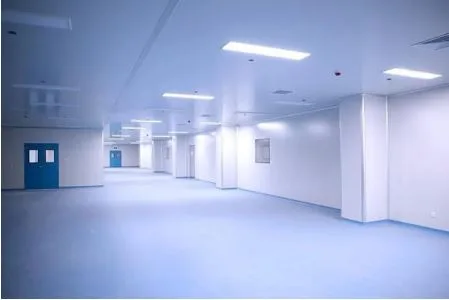
ESD Flooring Installation Practices Commonly Used in Malaysia
Electrostatic Discharge (ESD) flooring is a critical component in environments where static electricity can damage sensitive electronic equipment or create safety hazards. In Malaysia, with the growing electronics, semiconductor, and cleanroom industries, the proper installation of ESD flooring has become increasingly important. Installing ESD flooring requires careful planning, selection of suitable materials, and adherence to specific industry standards to ensure optimal performance. Improper installation can result in ineffective static control, equipment damage, or increased maintenance costs.
The Malaysian ESD flooring industry follows globally recognized standards while adapting to local climate conditions such as high humidity and temperature fluctuations. Skilled contractors combine specialized equipment, trained labor, and quality materials to achieve reliable ESD Flooring Malaysia that meets the demands of sensitive work environments, providing both safety and durability.
Common Practices Used in Installation
The installation of ESD flooring in Malaysia generally follows a structured approach encompassing several stages. Each stage focuses on ensuring safety, functionality, and compliance with international ESD standards. Common practices include thorough surface preparation, careful selection of materials, correct adhesive use, seam treatment, grounding, and post-installation testing.
Local installers emphasize the importance of following best practices to maintain long-term performance. Adapting to environmental conditions such as humidity, temperature, and foot traffic is vital. Using certified products and trained technicians ensures that ESD Flooring Malaysia performs reliably and provides a safe, static-controlled workspace for sensitive equipment.
1. Surface Preparation
Surface preparation is one of the most critical steps in ESD flooring installation. The subfloor must be clean, dry, and free of debris, dust, or oil residues. Any imperfections like cracks, uneven surfaces, or holes must be repaired before laying the flooring. In Malaysia, concrete subfloors are common, and installers often grind and level them to ensure smoothness.
Moisture testing is also essential. Excess moisture can compromise adhesive bonding and reduce the effectiveness of ESD properties. Moisture mitigation measures, such as damp-proof membranes or primers, are commonly applied in high-humidity areas. Proper surface preparation ensures that the ESD flooring performs reliably under operational conditions.
2. Material Selection
Selecting the right ESD flooring material is vital for both functionality and durability. Common materials in Malaysia include conductive vinyl tiles, rubber sheets, and laminated ESD floors. The choice depends on factors like foot traffic, equipment sensitivity, and environmental conditions. Conductive materials provide a low-resistance path to ground, effectively preventing static buildup.
Material thickness, flexibility, and chemical resistance are also considered. In high-traffic areas, durable tiles or sheets with wear-resistant surfaces are preferred. Local suppliers in Malaysia offer a variety of certified ESD flooring products that meet IEC or ANSI standards. Choosing the correct material ensures long-term performance and reduces the risk of electrostatic damage.
3. Adhesive Application
Adhesive application is a critical stage that directly affects the flooring’s stability and conductivity. Malaysian installers typically use ESD-specific conductive adhesives to maintain a low-resistance path to ground. Adhesives must be applied evenly and in the correct quantity to avoid bubbles, gaps, or weak bonding.
Following the manufacturer’s guidelines is essential. Improper adhesive application can result in delamination, uneven surfaces, or loss of ESD functionality. In humid Malaysian climates, adhesives may require longer curing times, and temperature control in the workspace is often implemented to ensure proper bonding.
4. Seam Treatment
Seam treatment is necessary to maintain continuous ESD conductivity across the flooring. Seams between tiles or sheets can be a weak point if not properly connected. Conductive tapes, grounding strips, or welding rods are commonly used to bridge seams and prevent static charge accumulation.
Attention to detail during seam treatment is critical. Misaligned seams or gaps can create resistance, compromising the ESD flooring system. In Malaysia, where high humidity can affect adhesive curing, seam treatment also ensures long-term adhesion and conductivity reliability.
5. Grounding Practices
Grounding is the backbone of any ESD flooring system. Proper grounding ensures that static charges are safely dissipated. Malaysian installers use grounding rods, copper strips, or conductive mats connected to a central grounding system. The system must meet local electrical standards and maintain consistent resistance levels.
Regular resistance measurements are conducted to confirm that the flooring maintains an effective conductive path. Properly installed grounding is essential for protecting sensitive equipment, and all technicians ensure that ESD Flooring Malaysia meets operational and safety requirements.
6. Tile and Sheet Installation
Tile and sheet installation requires precision to ensure both aesthetic appeal and ESD functionality. Tiles must be laid with tight joints, and sheets must be aligned to prevent wrinkles or bubbles. In Malaysia, specialized cutting tools and rollers are used to achieve seamless finishes.
Installers often work in small sections, allowing adhesive to set properly while maintaining continuous conductivity. Proper installation techniques minimize the risk of lifting or buckling, which can compromise safety and ESD performance over time.
7. Moisture Control
Moisture control is a major consideration in Malaysia due to the tropical climate. Excess moisture in subfloors can lead to adhesive failure, mold growth, and reduced ESD effectiveness. Moisture barriers and sealants are commonly applied to prevent water ingress.
Additionally, installers may use moisture-tolerant adhesives and flooring materials specifically designed for high-humidity environments. Routine moisture testing ensures that the floor remains stable and conductive even during the rainy season.
8. Cleaning During Installation
Maintaining cleanliness during installation is essential to prevent contamination and ensure adhesive bonding. Dust, dirt, or oils can interfere with the conductive path and reduce ESD efficiency. Malaysian installers use vacuuming, dry mopping, and solvent cleaning as necessary before and during installation.
Attention to detail during cleaning ensures proper performance and durability of the flooring system. Following strict hygiene protocols guarantees that ESD Flooring Malaysia maintains both safety and conductivity standards throughout the installation process.
9. Temperature Management
Temperature management is critical for adhesive curing and material stability. Extreme heat or cold can cause expansion, contraction, or improper bonding. In Malaysia, temperature control may involve air conditioning, dehumidifiers, or scheduled installation during cooler hours.
Proper temperature management ensures that adhesives cure fully and the flooring remains stable over time. This step is particularly important for sensitive electronic environments where flooring failure can result in costly equipment damage.
10. Testing and Verification
Testing and verification are performed to confirm the ESD flooring’s conductivity and durability. Resistance tests are conducted across multiple points using specialized meters. Malaysian standards often follow IEC 61340-5-1 guidelines for acceptable resistance ranges.
Comprehensive testing ensures that the floor meets all functional and safety requirements. Through careful verification, installers can confirm that ESD Flooring Malaysia provides consistent static protection and long-term reliability for electronic environments.
11. Maintenance Planning
Long-term maintenance is essential for sustaining ESD flooring performance. Regular cleaning, periodic resistance testing, and inspection of seams and grounding systems are standard practices. Malaysian facilities often implement scheduled maintenance plans to prevent deterioration.
Maintenance planning also includes guidelines for spill management, wear protection, and repair procedures. Proactive maintenance ensures that the flooring continues to protect sensitive electronics and maintains a professional appearance.
12. Safety Considerations
Safety is a key priority during ESD flooring installation. Installers must use personal protective equipment (PPE), handle adhesives and tools safely, and ensure proper ventilation. Electrical grounding components must be installed according to safety standards to prevent shocks.
In Malaysia, compliance with occupational safety regulations is mandatory. Safety procedures, training, and risk assessments minimize accidents and ensure a safe working environment for both installers and facility personnel.
Local Specialists You Can Trust
When it comes to installing high-quality ESD flooring in Malaysia, having experienced local specialists is crucial. EEPS Engineering Sdn. Bhd. is a trusted name in the industry, providing professional ESD flooring solutions for electronics manufacturing, cleanrooms, and high-tech facilities. Their certified team ensures every project meets international standards while considering local climate conditions.
EEPS Engineering Sdn. Bhd. delivers durable, safe, and fully compliant ESD flooring systems. From surface preparation to grounding and testing, they handle every step with precision. Their focus on quality, reliability, and customer satisfaction makes them a top choice for businesses seeking effective ESD Flooring Malaysia solutions.
Conclusion
ESD flooring installation in Malaysia requires a combination of technical expertise, proper material selection, and strict adherence to best practices. From surface preparation to grounding and testing, each step ensures effective static control, durability, and safety. By following these established practices, Malaysian facilities can protect sensitive electronic equipment, reduce maintenance costs, and comply with international standards, achieving reliable ESD Flooring Malaysia.
Tropical climate and high humidity add unique challenges that installers must address through moisture control, temperature management, and proper adhesive application. With careful planning and skilled execution, ESD flooring systems provide reliable performance for electronics, cleanrooms, and other sensitive environments across the country.