Essential Kitchen Equipment for Safe, Efficient, and High-Volume School Meal Preparation
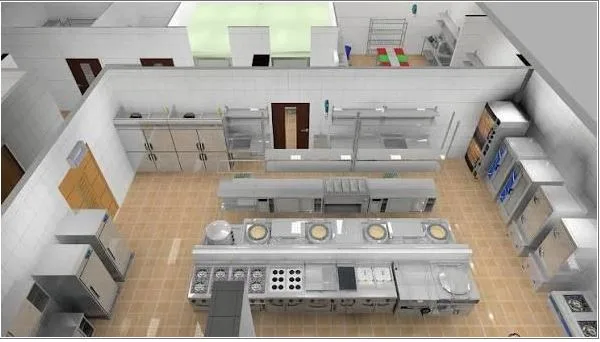
School kitchens have to balance high-volume food production with hygiene, safety, efficiency, and consistent meal quality. Unlike smaller foodservice operations, school kitchens may need to prepare and serve hundreds or even thousands of meals within a limited period.
Selecting the right School Kitchen Equipment is therefore an important part of kitchen planning. Equipment should match the menu, production volume, available space, staffing requirements, and food safety procedures while supporting a practical daily workflow.
Plan the School Kitchen Layout Around Workflow
A well-designed School kitchen layout should make the movement of ingredients, staff, cooked food, dishes, and waste as straightforward as possible.
A typical workflow can include receiving, dry and cold storage, food preparation, cooking, meal holding, serving, dishwashing, and waste collection. Separating these areas where practical can help reduce unnecessary movement and support better hygiene.
The layout should also provide sufficient space around major appliances for safe operation, cleaning, and maintenance.
Cooking Equipment for High-Volume Meal Production
Cooking equipment should be selected according to the school’s expected meal volume and menu requirements. High-capacity appliances can help kitchen teams prepare large quantities of food within scheduled service periods.
Depending on the operation, useful equipment may include:
- Commercial ranges and induction cookers
- Convection and combi ovens
- Steam cooking equipment
- Large-capacity kettles and cooking vessels
- Griddles and fryers
- Food warming and holding equipment
The right combination depends on the school’s menu and production methods. Equipment should provide enough capacity without taking up unnecessary workspace.
Refrigeration and Cold Storage
Adequate refrigeration is essential for storing perishable ingredients safely. School kitchens may require upright refrigerators, freezers, under-counter units, or larger cold-storage systems depending on meal volume and purchasing schedules.
Storage capacity should be planned around actual inventory requirements. Overcrowding refrigerators can make organization and temperature management more difficult, while insufficient capacity may create operational problems.
Shelving and storage systems should also support stock rotation and provide easy access to frequently used ingredients.
Food Preparation Equipment
Preparation can account for a significant portion of the workload in a high-volume school kitchen. Appropriate preparation equipment can help staff handle vegetables, meat, dough, sauces, and other ingredients efficiently.
Food processors, mixers, slicers, preparation tables, sinks, and other specialized equipment should be selected according to the school’s menu and production requirements.
Workstations should be positioned so ingredients can move efficiently from storage to preparation and then to cooking areas.
Stainless Steel Workstations and Storage
Stainless steel is commonly used in professional kitchens for preparation tables, sinks, shelving, cabinets, and other fabricated components. Its durability and cleanable surfaces make it suitable for demanding foodservice environments.
Work surfaces should be designed with hygiene and accessibility in mind. Adequate clearance underneath and around fixtures can also make routine floor and equipment cleaning easier.
Meal Holding and Serving Equipment
School meal services often operate within a relatively short serving period. Food may therefore need to be held at appropriate temperatures between preparation and service.
Hot holding cabinets, heated counters, refrigerated displays, insulated food containers, and suitable serving equipment can help organize meal distribution.
The holding system should correspond with the school’s serving method, whether meals are distributed through a cafeteria line, dining hall, classroom delivery system, or another service model.
Dishwashing and Sanitation Equipment
An effective dishwashing area is essential for schools that use reusable plates, trays, utensils, and foodservice containers. Commercial dishwashers, sinks, pre-rinse stations, drying racks, and waste-handling facilities may be incorporated according to the size of the operation.
The dishwashing workflow should be separated from clean food preparation as much as practical. This helps limit unnecessary contact between dirty dishes and food production areas.
Ventilation and Kitchen Safety
High-volume cooking produces heat, steam, grease, and odors, making ventilation an important part of school kitchen planning. Appropriate exhaust systems can help maintain a more comfortable working environment and support safe operation.
Kitchen safety should also be considered when positioning cooking appliances, storage systems, and preparation areas. Clear walkways, suitable flooring, accessible controls, and appropriate emergency provisions can contribute to a safer workplace.
Design the Kitchen for Easy Cleaning
Cleaning should be considered from the beginning rather than treated as an activity after meal service. Equipment and workstations should be positioned to provide practical access for routine sanitation.
Smooth surfaces, suitable drainage, accessible equipment components, and adequate space between fixtures can make cleaning more manageable.
A clearly organized kitchen can also help staff follow consistent cleaning schedules and sanitation procedures.
Consider Energy and Operating Costs
Schools often need to manage operating costs carefully. Equipment selection should therefore consider energy and water consumption alongside purchase price.
Energy-efficient refrigeration, cooking equipment, dishwashers, and ventilation systems may help reduce resource use when appropriately sized and operated. Choosing equipment that matches actual production requirements can also prevent unnecessary energy consumption.
Plan for Staff Efficiency
A school kitchen should support employees throughout the preparation and service process. Frequently used equipment should be positioned within practical reach, while the layout should minimize unnecessary walking between workstations.
Clear storage locations and organized preparation areas can also help staff find ingredients, utensils, and equipment quickly.
Good workflow planning is especially valuable during peak meal periods when many tasks must be completed within a limited timeframe.
Introduce an Integrated School Kitchen Solution
For larger school projects, equipment should be considered as part of a complete kitchen system rather than as separate appliances. An integrated solution can coordinate cooking, preparation, refrigeration, storage, dishwashing, ventilation, and serving areas.
A turnkey approach may include kitchen design, equipment specification, manufacturing or sourcing, delivery, installation, testing, and staff training. This can simplify coordination and help ensure that equipment fits the planned layout and utility requirements.
SHINELONG Kitchen Equipment provides school kitchen solutions that can be planned around facility size, meal production requirements, workflow, and equipment needs.
Plan for Maintenance and Future Requirements
School kitchen equipment may be used extensively throughout the academic year, so maintenance should be part of the original planning process. Staff should have access to appropriate operating instructions, cleaning procedures, maintenance schedules, and technical support.
Future needs should also be considered. Changes in enrollment, meal programs, menus, or service arrangements may increase production requirements. Allowing suitable space and utility capacity for potential additions can make future upgrades easier.
Conclusion
Safe and efficient school meal preparation depends on more than selecting individual appliances. A successful kitchen combines appropriate equipment with an effective layout, logical workflow, hygiene procedures, adequate storage, ventilation, and reliable maintenance practices.
By planning the kitchen around actual meal volumes and operational requirements, schools can create a foodservice environment that supports consistent production, efficient staff movement, and practical long-term operation.