Essential Marketing Strategies Every Property Developer Should Invest In
In today’s market, solid construction isn’t enough — buyers compare projects online long before they ever visit a site. The developers who win attention (and convert it into reservations) treat marketing as part of the product: clear positioning, credible visuals, a high-performing website, and consistent follow-up.
Below are the core strategies worth investing in if you want faster sales, fewer “dead leads,” and stronger pricing power — especially in competitive locations.
1) Start with positioning (so your ads don’t fight your own message)
Before you spend on visuals or ads, define what makes the project meaningfully different. Most developments default to generic promises (“great location, quality materials”). Buyers ignore that.
A stronger positioning answers:
- Who is this for? (young families, investors, downsizers, premium buyers)
- What problem does it solve? (commute, schools, quiet, security, amenities)
- Why here, why now? (infrastructure, neighborhood growth, lifestyle angle)
Then convert that into a consistent “message spine” used across: website, brochures, social posts, video scripts, sales deck, and signage.
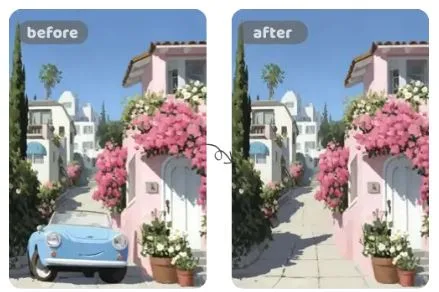
2) Invest in visuals that sell (not just “look nice”)
Visuals are your first salesperson. They should reduce uncertainty and help buyers imagine living there.
High-impact assets typically include:
- Hero renders (exterior + lifestyle context)
- 3D interior views or styled “mood” shots
- Floor plans that are easy to read
- Short video / animation (even 15–30 seconds performs well in ads)
- Drone / location visuals to communicate surroundings
If you work with a specialized real estate marketing team like REND.PRO, you’re not just buying images — you’re buying a visual system that supports your sales funnel: consistent style, correct angles, and assets prepared for web + ads + print.
3) Treat your website like a conversion machine
A website isn’t a brochure — it’s your highest-leverage sales tool. Buyers want clarity and speed. If they can’t quickly find what they need, they leave.
A high-converting developer website usually includes:
- A clear project overview above the fold (what/where/for whom)
- Strong visuals + a structured gallery
- Available units with filters (price, rooms, size, floor)
- Downloadable PDF cards (but also readable content on-page)
- Location section with commuting info and amenities
- Visible, simple contact + quick inquiry form
- A clear privacy and data policy for lead forms
Small details matter: page speed, mobile performance, and easy navigation often increase inquiries more than “one more fancy section.”
4) Paid advertising: combine intent + retargeting
Ads work best when they match intent and keep your project present during the decision window.
A practical structure:
- Search ads (high intent): “apartments for sale [city]”, “new development [district]”
- Social ads (attention + demand creation): short videos, strong visuals, lifestyle angles
- Retargeting (conversion): show the next step — “available units”, “download price list”, “book a viewing”
The biggest mistake is running ads without a proper landing page and lead follow-up. If someone asks for details and waits two days for a reply, the budget is wasted.
5) Build an inquiry process that doesn’t leak leads
A lot of developers focus on “getting leads” and ignore what happens after. You need a simple pipeline:
- Inquiry submitted (form/phone/message)
- Automated confirmation + next steps
- Quick human response (same day is ideal)
- Follow-up schedule (1–2–4–7 day cadence)
- Qualification and booking a viewing
Even basic CRM hygiene — tagging leads, tracking source, and logging contact attempts — improves conversion.
6) Social proof that feels real (not staged)
Buyers trust other buyers. Add proof where it matters:
- Testimonials from completed projects (if available)
- Press mentions or local media coverage
- Progress updates with real site photos
- “Behind the scenes” content (materials, work quality, milestones)
If you have strong visuals, combine them with credibility: timelines, transparent updates, and a clear standard of communication.
7) Events and on-site experience still close deals
Digital gets attention; the on-site experience often closes.
- Open days should be scripted: what to show, what to explain, what to ask
- Sales materials must be consistent (same numbers, same messaging, same unit naming)
- On-site signage should guide the buyer journey (not just look pretty)
A simple printed pack (unit card + standard specs + location highlights) can significantly reduce “I’ll think about it” outcomes.
8) Compliance and disclosure: don’t let admin kill trust
In many markets, compliance and disclosure obligations are becoming stricter. In Poland, developers often rely on dedicated tools like PanelDlaDewelopera.pl to manage required disclosures and stay aligned with developer law requirements — while keeping the offer clear and consistent for buyers.
Even if buyers don’t read every legal detail, they do notice confusion, missing information, or inconsistent pricing. Compliance isn’t only a legal necessity — it’s a trust signal.
9) Measure what matters and iterate
Marketing should be managed like a performance system:
- Website: inquiries, calls, unit page views, time on page
- Ads: cost per inquiry, conversion rate, quality of leads
- Sales: viewing bookings, reservation rate, time to close
The best teams review results weekly and improve one piece at a time: headline, visuals, page speed, lead form, follow-up process.
Conclusion
Property development marketing is not about “posting some images” — it’s about building trust and clarity at every step: from visuals, to website, to follow-up, to on-site experience. Developers who treat marketing as a structured system sell faster, waste less budget, and protect margins.
If you invest in positioning, conversion-focused websites, strong visuals, and a reliable lead process — you’ll compete on value, not discounts.