Essential Modifications for Transforming Your Work Ute Into a Weekend Off-Roader
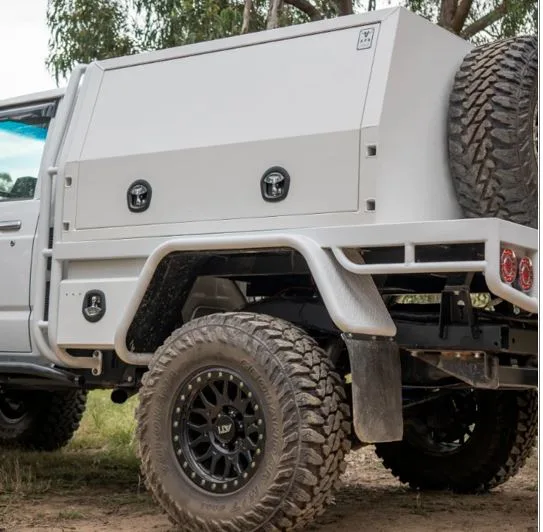
In 2025, Australians purchased a record-breaking 1.24 million new vehicles, with utility vehicles like the Toyota HiLux dominating the top of the national sales charts. For a long time, these utility vehicles were seen merely as workhorses, but they are no longer purchased exclusively for carting tools to construction sites. The domestic outdoor travel sector experienced unprecedented growth recently, with Tourism Research Australia reporting a staggering 17.3 million overnight caravan and camping trips taken nationwide last year alone. Domestic camping and caravanning expenditure also reached an incredible $12.6 billion, highlighting a massive shift in how locals spend their downtime. For many drivers, the ultimate goal is creating a highly capable, dual-purpose vehicle that works hard Monday to Friday and tackles rugged terrain on the weekend.
Smart Storage Solutions for Work and Play
The most critical step in preparing any utility vehicle for the bush is establishing a secure, weather-proof base to store your equipment. While an open tray is fantastic for throwing in bags of cement or loose timber during the work week, it offers zero protection against dust, torrential rain, or opportunistic theft when you are parked at a remote campsite.
A high-quality aluminium enclosure transforms the back of a vehicle into a highly versatile storage hub. For example, installing a heavy-duty Hilux single cab canopy provides the structural foundation needed to mount a roof-top tent or awning while keeping expensive tools completely locked away during the week. This level of security offers great peace of mind when leaving your vehicle unattended at a job site or a national park. With the addition of sliding interior drawers, battery boxes, and drop-down fridge slides, you can seamlessly transition from carrying bulky power tools to organising camping supplies without having to unpack the entire vehicle on Friday afternoon.
Upgrading Suspension and Managing Weight Limits
Once you start adding structural enclosures, trade tools, camping equipment, and passengers, the weight of your vehicle adds up incredibly fast. A standard single cab utility vehicle typically offers a payload capacity of around 1,200 kilograms. Permanent off-road modifications such as heavy canopies, dual-battery systems, and roof-top tents can quickly consume over half of that legal payload capacity before you even load a single piece of holiday luggage. In response to this booming touring market, Toyota Australia announced a factory-engineered Gross Vehicle Mass upgrade option starting in August 2026 for selected models, designed to safely increase payload capacity by up to 435 kilograms. This allows owners to legally carry all the gear they need for extended outback trips.
Managing your overall weight is not just a matter of performance, but one of strict legal compliance and on-road safety. Basic suspension changes like upgrading shock absorbers or leaf springs are generally straightforward, but you should always consult official state government documentation detailing vehicle modifications to understand the difference between minor upgrades and complex mass re-rating requirements. Getting this wrong can render your 4×4 technically unroadworthy under Australian Design Rules, attract hefty fines from local authorities, and potentially void your standard auto insurance policy in the event of an accident.
Essential Upgrades for Outback Independence
With the storage and weight management sorted, you need to ensure your four-wheel drive is capable of surviving long stretches of unforgiving terrain. Preparing for remote travel means upgrading factory components that were never designed for prolonged abuse on corrugated dirt tracks.
Consider these essential upgrades for maximum independence off the grid:
- All-Terrain Tyres: Swap out standard highway rubber for a set of light truck construction all-terrain tyres to significantly reduce the risk of sidewall punctures on rocky tracks.
- Dual Battery Systems: A secondary battery system, often paired with solar panels mounted to your roof rack, is essential for running a 12-volt fridge and camp lighting without draining your starter battery.
- Frontal Protection: A heavy-duty steel or alloy bullbar protects critical engine components and radiators from unexpected animal strikes, which are a major hazard on regional highways at dawn and dusk.
- Recovery Equipment: Even the most capable off-roaders occasionally get bogged down. A rated recovery hitch, a set of recovery boards, and a high-quality winch will ensure you can extract yourself from deep sand or thick mud without waiting for a tow.
Hitting the Open Road
The time, effort, and financial investment required to modify a standard work vehicle can seem daunting initially. However, the payoff is absolute freedom to explore the vast landscapes this country has to offer. By carefully selecting upgrades that serve a practical purpose for both your career and your hobbies, you can maximise the value of your automotive asset.
Once your dual-purpose vehicle is properly equipped, tested, and certified, you are ready to tackle the most scenic road trips in the world, from the rugged coastal stretches of the Great Ocean Road to the remote corrugated tracks of the Top End. With the right preparation, your reliable daily driver becomes the ultimate passport to weekend adventure.