Essential Road Signs to Know for G1 Practice Test
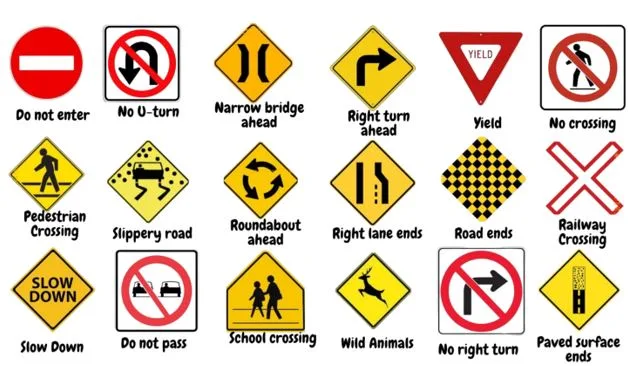
Learning essential road signs is one of the most important parts of preparing for the G1 practice test. Understanding traffic signs helps new drivers stay safe, follow traffic laws, and improve their chances of passing the written exam on the first attempt.
The Ontario G1 test is designed to measure a driver’s understanding of road rules, traffic signs, and safe driving practices before receiving a learner’s permit. New drivers often find road sign questions challenging because there are many symbols, shapes, and colors to remember.
To improve confidence and study effectively, many learners choose to prepare here by practicing road sign questions and reviewing driving knowledge study materials.
This article helps you understand the most common signs that can make both the test and real-world driving much easier.
Stop Sign
The stop sign is one of the most recognized road signs and is heavily tested on the G1 exam. Rolling through a stop sign is illegal and dangerous. The red octagon shape makes the sign easy to identify quickly.
Drivers must:
- Come to a complete stop.
- Check for pedestrians and traffic.
- Proceed only when safe.
Yield Sign
A yield sign tells drivers they must slow down and give the right-of-way to other vehicles or pedestrians. Drivers do not always need to stop completely at a yield sign, but they must be prepared to stop if traffic conditions require it. Yield signs are usually triangular with a red border and a white center.
Speed-Limit Signs
Speed limit signs indicate the maximum legal speed drivers may travel under normal conditions. During the G1 test, applicants may see questions about speed limits in school zones, residential areas, and highways.
Always remember that weather and road conditions may require driving below the posted limit for safety.
Exceeding posted speed limits can result in:
- Fines.
- Demerit points.
- Increased accident risk.
School Zone Signs
School zone signs warn drivers to reduce speed and watch carefully for children crossing the road.
These areas often have:
- Lower speed limits.
- Crossing guards.
- Increased pedestrian traffic.
Drivers should remain extra cautious near schools, especially during morning arrival and afternoon dismissal hours.
Pedestrian Crossing Signs
Pedestrian crossing signs indicate areas where people may cross the road. Ignoring pedestrian crossing rules can lead to serious accidents and legal penalties.
Drivers must:
- Slow down.
- Yield to pedestrians.
- Stay alert for crossing activity.
Railway Crossing Signs
Railway crossing signs warn drivers that train tracks are ahead. Questions involving railway crossings commonly appear on driving knowledge tests because these areas require careful attention.
Drivers should:
- Slow down.
- Look both ways.
- Never stop on tracks.
- Obey crossing gates and warning lights.
No Entry Sign
A “no entry” sign tells drivers they are not allowed to enter a road or area from that direction. The sign usually appears as a white horizontal line inside a red circle.
These signs help prevent drivers from entering:
- One-way streets incorrectly.
- Restricted roads.
- Exit ramps.
One-Way Sign
One-way signs indicate traffic may only travel in one direction. Drivers must follow the posted direction and avoid turning into the street from the wrong side. Understanding one-way traffic rules is important for safe urban driving.
Traffic Light Signals
Although technically not road signs, traffic light rules are an important part of G1 preparation.
Drivers must understand:
- Red light rules.
- Yellow light meaning.
- Green light procedures.
- Left-turn signals.
- Flashing lights.
Why Road Signs Matter Beyond the Test
Road signs are not only important for passing the G1 exam. They help drivers:
- Avoid accidents.
- Follow traffic laws.
- Respond to hazards quickly.
- Protect pedestrians.
- Navigate safely.
Strong knowledge of traffic signs builds safer driving habits from the beginning. Drivers who understand road signs clearly are often more confident and aware behind the wheel.
Conclusion
Studying essential road signs is one of the best ways to prepare for the G1 practice test and become a safer driver overall. From stop signs and speed limits to pedestrian crossings and construction warnings, each sign plays an important role in road safety.
Consistent practice, repetition, and understanding the meaning behind traffic signs can help new drivers feel more prepared and confident on test day and beyond.
Key Takeaways
- Road signs are a major part of the G1 practice test.
- Stop, yield, and speed limit signs are especially important to know.
- Warning signs help drivers respond to hazards safely.
- School zone and pedestrian crossing signs require extra caution.
- Practice tests and flashcards can improve sign recognition.
- Understanding road signs helps drivers stay safe beyond the written exam.