European Gardeners Turn to Bio-Activators and Balanced Nutrition for Sustainable Plant Care
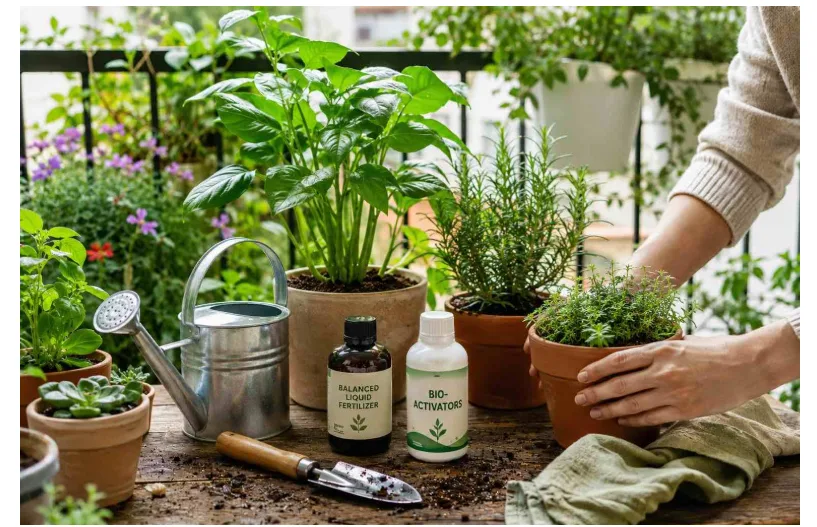
Across Europe, gardening is becoming more than a seasonal hobby. From urban balconies and small patios to indoor plant corners and compact home gardens, more people are looking for practical ways to grow healthier plants while adopting a more sustainable lifestyle.
This shift is not limited to traditional gardeners. Apartment residents, young families, design-conscious homeowners and environmentally aware consumers are all showing renewed interest in plants, soil health and responsible cultivation. The trend reflects a wider cultural movement: people want greener living spaces, but they also want plant care routines that are efficient, balanced and less wasteful.
As a result, attention is moving beyond simple watering and occasional pruning. Gardeners are increasingly asking how plants can be supported through better nutrition, improved soil vitality and more conscious feeding habits. This is especially important for plants grown in pots, containers and restricted spaces, where natural soil reserves are limited.
Sustainable Gardening Moves Into Everyday Living
In many European cities, gardening no longer requires a large garden. Balconies, terraces, windowsills and small courtyards are now being transformed into productive and decorative green areas. Herbs, ornamental plants, bonsai, flowering bulbs and indoor plants are being used to bring nature closer to daily life.
This change has also affected the way people think about plant care. A small-space garden requires attention and consistency. Unlike plants growing in open ground, container plants depend almost entirely on the growing medium and the care routine chosen by the gardener. Watering, drainage, light exposure and nutrition all play a central role.
For this reason, sustainable plant care is becoming a more technical topic. Gardeners are not only interested in how plants look, but also in how they grow, how roots absorb nutrients and how the soil or substrate can remain active over time.
Why Soil Vitality Matters
Healthy plants begin with a healthy growing environment. Whether a plant is cultivated in a large garden bed or a small pot, root development is essential. Roots allow the plant to absorb water and nutrients, but they also depend on the quality and vitality of the surrounding soil or substrate.
In open soil, natural biological processes help maintain fertility. Organic matter breaks down, microorganisms contribute to nutrient availability and the structure of the soil can support air and water circulation. In containers, however, this balance is more difficult to maintain. The available space is limited, nutrients can be washed away through watering and the substrate may gradually lose vitality.
This is one reason why many gardeners are exploring more advanced approaches to plant care. Instead of relying only on standard feeding, they are looking at ways to support the growing environment itself.
For gardeners looking for more advanced and sustainable solutions, bio-activators can support soil vitality and help plants make better use of the nutrients already present in the growing environment.
The concept is particularly relevant for people who want to reduce waste and avoid excessive fertilisation. Supporting the soil or substrate can contribute to a more balanced routine, where plants are not forced into rapid growth but are helped to develop in a healthier and more stable way.
The Importance of Balanced Plant Nutrition
Plant nutrition is often misunderstood. Many beginners see fertiliser as a quick solution for weak plants, but feeding should be part of a broader care strategy. The goal is not to push plants beyond their natural rhythm, but to provide steady support according to the season, the plant type and the growing conditions.
A balanced approach considers the plant’s full development: roots, stems, leaves, flowering and resistance to stress. Too little nutrition can lead to pale leaves, weak growth and reduced flowering. Too much nutrition, on the other hand, can create excessive growth, root stress or poor balance between foliage and flowers.
This is particularly important for indoor plants and balcony plants. These plants often live in artificial or semi-controlled environments. They may receive limited light, face irregular watering or grow in small containers. In such conditions, balanced feeding can make the difference between a plant that simply survives and one that grows with strength and vitality.
Container Gardening Requires Greater Precision
Container gardening is practical and accessible, but it also creates specific challenges. A plant in a pot cannot search for nutrients in the wider soil. Everything it needs must be available within a limited volume of substrate.
Watering can gradually remove nutrients from the pot, especially when excess water drains away. Over time, this can reduce the nutritional value of the growing medium. This is why container plants often need a more structured feeding routine than plants growing in open ground.
In container gardening, where nutrients are gradually depleted through watering, a balanced liquid fertilizer can help maintain steady growth without forcing the plant beyond its natural rhythm.
Liquid feeding is often appreciated because it can be applied through watering and distributed evenly through the substrate. It is also flexible, allowing gardeners to adapt the routine according to the season and the needs of the plant. During active growth, plants may require more support. During colder months or periods of slower growth, feeding is usually reduced.
Urban Gardening and the European Sustainability Mindset
The rise of sustainable plant care also reflects broader environmental awareness. Many European consumers are paying more attention to the products they use, the resources they consume and the long-term impact of their habits.
In gardening, this translates into a preference for better planning, less waste and more careful observation. Instead of replacing struggling plants too quickly, gardeners are learning to understand the causes of plant stress. They are checking light conditions, watering routines, soil quality and nutritional balance before making changes.
This mindset is especially valuable in urban gardening. A small balcony or patio may have limited space, but it can still support biodiversity, improve the atmosphere of a home and encourage a closer connection with natural cycles. Even a few well-maintained plants can make a living space feel healthier and more welcoming.
Common Plant Nutrition Mistakes
One of the most common mistakes in plant care is overfeeding. When a plant looks weak, it is tempting to add more fertiliser immediately. However, weakness can be caused by many factors, including lack of light, poor drainage, root problems or irregular watering.
Another frequent mistake is using the same care routine for every plant. A bonsai tree, a flowering balcony plant, a leafy houseplant and a herb plant may all have different needs. A sustainable routine should consider the specific characteristics of each plant rather than applying a single rule to all of them.
Timing is also important. Feeding a plant during its active growing season can support development, but feeding during stress or dormancy may be ineffective or even counterproductive. Observing the plant remains one of the most important skills a gardener can develop.
A More Conscious Future for Plant Care
As interest in gardening continues to grow across Europe, the focus is likely to move further toward intelligent, balanced and sustainable methods. Gardeners are becoming more informed, more selective and more interested in the relationship between plants, soil and nutrition.
This does not mean plant care needs to become complicated. On the contrary, the best routines are often simple and consistent. Regular observation, suitable watering, good drainage, balanced nutrition and attention to the growing environment can create strong results over time.
The key is to support plants rather than force them. Sustainable gardening is not only about choosing greener products, but also about developing better habits. It means understanding that healthy plants depend on a combination of factors, all working together.
Final Thoughts
The growing European interest in sustainable plant care shows how gardening is changing. It is no longer only about decoration or seasonal colour. It is increasingly about wellbeing, environmental awareness and a more responsible relationship with nature.
Bio-activators, balanced nutrition and thoughtful container gardening all fit into this new approach. They help gardeners think more carefully about what plants need and how those needs can be met without waste or excess.
Whether caring for indoor plants, balcony flowers, bonsai or small outdoor gardens, the future of plant care is likely to be more balanced, more informed and more sustainable. For European gardeners, that means healthier plants, better use of space and a greener way to bring nature into everyday life.