Everest Base Camp Helicopter Tour and Annapurna Base Camp Trek with Mardi Himal: A Complete Nepal Adventure Guide
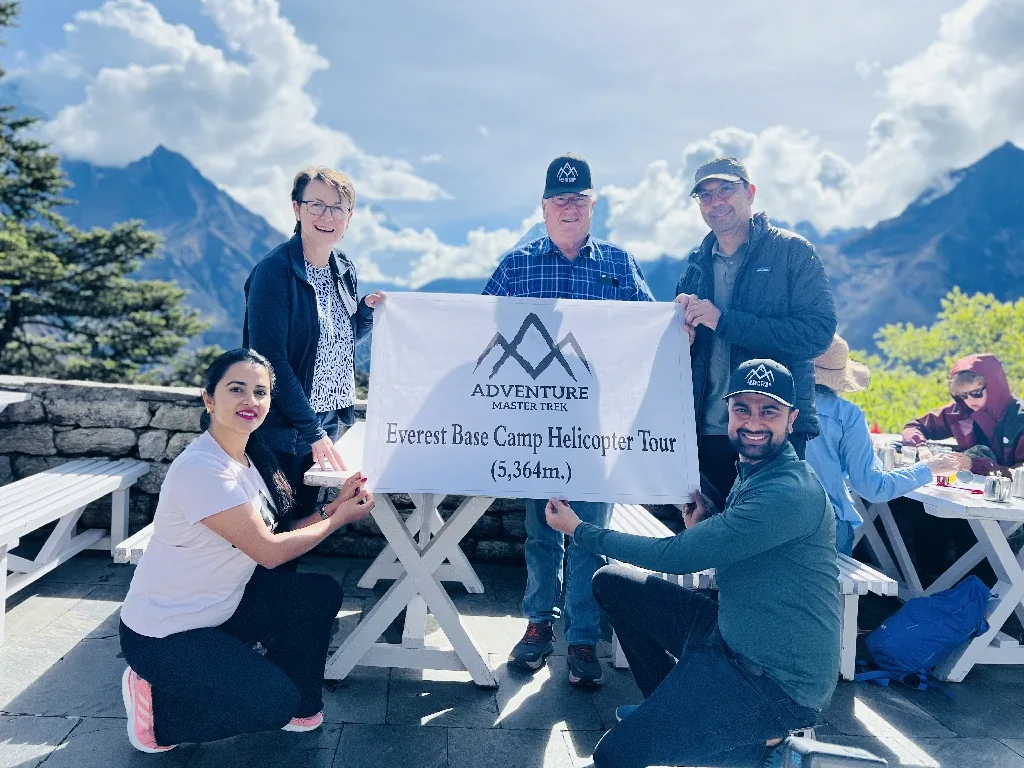
One Nepal Trip, Three Very Different Himalayan Experiences
Most people planning a Nepal trip run into the same wall: there’s only so much time, and the mountains don’t really care about your flight schedule. A full Everest Base Camp trek eats up close to two weeks, and not everyone has that kind of runway. So the question that keeps popping up in trip-planning forums and inboxes is a fair one — can you actually see Everest without walking for twelve days, and still get a real trekking experience somewhere else in the same trip?
The short answer is yes, and this is where an Everest Base Camp helicopter tour paired with an Annapurna Base Camp trek and a Mardi Himal trek starts to make a lot of sense. These aren’t three flavors of the same thing dressed up differently. The helicopter tour gives you altitude, distance, and a bird’s-eye read on the Khumbu in a single morning. The Annapurna Base Camp trek gives you rhythm — days of walking, sweating, acclimatizing, and watching the landscape change under your own feet. Mardi Himal adds a shorter, quieter trail into the mix for travelers who want one more taste of the mountains before heading home.
Can you combine all three in one trip? Yes, with sensible planning around buffer days and transfers between Kathmandu and Pokhara. It’s not a stretch — it just needs to be built with some breathing room, not crammed together like a checklist.
Start With the Everest Base Camp Helicopter Tour: What the Day Actually Feels Like
Kathmandu to the Everest Region
The day usually starts early, and for good reason — mountain weather in the Everest region tends to be calmest right after sunrise, before clouds build up over the ridgelines. Flights head out from Kathmandu toward the Khumbu, and Lukla often comes into the picture along the way. Worth knowing: Lukla is frequently used as a technical or refueling stop rather than a proper sightseeing destination, so don’t walk into the day expecting a leisurely visit there. If the helicopter does touch down, it’s typically brief — sometimes as short as 20 minutes, depending on operational needs at the time.
The Pheriche Point and the Window-Seat Question
Somewhere past Pheriche, at roughly 4,300 meters, the way passengers are seated can shift. This isn’t a marketing gimmick — it has to do with weight distribution and cabin balance at altitude, and with making sure everyone actually gets a decent view during the most scenic stretch of the flight. If a window seat matters to you, it’s a reasonable thing to ask about before departure rather than assuming it’s automatic.
Kala Patthar Is Not Guaranteed
This is the part that trips people up the most, so it’s worth being blunt about it. A landing at Kala Patthar depends entirely on the weather that morning — wind, visibility, cloud cover, all of it. And here’s the bigger misconception: helicopters do not normally land at Everest Base Camp itself. The terrain there simply isn’t set up for it the way people imagine. What you’re actually getting is a flight that takes you over and around the Everest region, with a possible landing near Kala Patthar when conditions cooperate. Seeing EBC from the air, landing somewhere in the region, and landing specifically at Kala Patthar are three different outcomes, and a good operator will explain that distinction upfront instead of letting you assume the best-case scenario.
The Helicopter Booking Details Travelers Should Check Before Paying
Private vs. Sharing Helicopter
A private helicopter arrangement typically allows up to five people in one aircraft under standard operating conditions. A sharing helicopter, where you’re grouped with other travelers, also generally runs up to five passengers under the same kind of arrangement. That said, the real number on any given day can shift based on season, weather, and whatever safety call the operator makes that morning. Treat any passenger figure as a starting point, not a guarantee.
Don’t Assume a Small Booking Will Get Cancelled
Here’s something worth mentioning from actual experience rather than theory: some operators will still run the flight even when only two, three, or four travelers have booked, instead of waiting to fill every seat before committing. That’s not universal, though. Other operators lean the opposite way — they’ll combine bookings across different groups or cancel outright if a minimum headcount isn’t reached. Neither approach is wrong, exactly, but it’s exactly the kind of thing you want to ask about before you pay a deposit, not after.
Sharing Prices Can Differ Across Booking Platforms
If you’ve shopped around at all, you’ve probably noticed that sharing helicopter prices for what looks like the same route can vary quite a bit from one booking site to another. That’s usually down to differences in inclusions, commission structures, timing slots, or how the operator has priced that particular listing. The lesson here isn’t “always book the cheapest one” — it’s to actually compare what each price includes rather than judging purely on the number at the top of the page.
What Happens If the Helicopter Cannot Fly or Kala Patthar Is Closed?
Weather in the Himalayas doesn’t send a warning text. Sometimes it prevents the flight from leaving Kathmandu at all. Other times the flight goes ahead just fine, but conditions near Kala Patthar close the landing window entirely. Either way, this is something to sort out before you hand over any money, not something to figure out standing at the airport at 5 a.m.
Ask directly what the operator’s policy looks like for both scenarios — full cancellation and partial disruption. Is there a reschedule option? A refund? Does the flight simply happen the next available day? Get this in writing if you can, and build at least one buffer day into your Nepal itinerary rather than scheduling the helicopter tour right before an international flight home. It’s still an aviation operation at the end of the day, and mountains have a way of rearranging plans on short notice.
On the safety side, it’s easy to assume that flying skips the altitude problem entirely, but that’s not quite true. Passengers can still feel the effects of thin air even without the physical exertion of trekking, especially at the higher points of the route. It’s reasonable to ask what oxygen and emergency equipment is carried onboard, and if you have any history of altitude sensitivity, take that seriously rather than brushing it off because “it’s just a flight.”
Everest View Hotel: A Different Experience From Everest Base Camp
One more mix-up worth clearing up. Some helicopter itineraries include a breakfast stop at the Everest View Hotel, depending on the day’s operating conditions. This is a nice add-on — you get views over the Khumbu with a hot meal in front of you — but it is not the same experience as landing at Everest Base Camp, and it shouldn’t be sold or understood that way. It’s really about taking in the Everest and Khumbu landscape from a comfortable vantage point, nothing more, nothing less.
From Flying Over Everest to Walking Through Annapurna
Once the helicopter portion wraps up, the trip shifts gears completely. The Annapurna Base Camp trek is where the walking part of the adventure begins, and the contrast between the two experiences is honestly part of what makes combining them worthwhile. The helicopter gives you a compressed, aerial version of the Himalayas — dramatic, but over in a matter of hours. The Annapurna trek is the opposite: gradual, physical, and built around days rather than minutes. You walk through villages, climb through forests, watch the terrain shift as you gain elevation, and actually feel the mountains change around you instead of glancing at them through a helicopter window.
Pokhara is the practical starting point for this side of the trip, and it’s also just a pleasant place to decompress for a day or two after the helicopter leg before heading out on foot.
Annapurna Base Camp Trek: What Makes the Walking Experience Different?
The trail to Annapurna Base Camp isn’t one landscape — it’s several, strung together. You start out under forest canopy, cross stone steps worn smooth by decades of trekkers and mule trains, and pass through small mountain villages where teahouses double as the social hub for the night. As elevation climbs, the forest thins out and the amphitheater of peaks around ABC — including Machhapuchhre, or Fishtail Mountain, with its unmistakable twin-pointed summit — starts to dominate the view.
Weather up here can turn quickly, and trail conditions shift with the season, which is part of what makes the trek feel earned rather than handed to you. That’s really the core difference between this and the helicopter tour: instead of seeing the mountains appear and disappear out a window, you’re walking toward them for days, and the base camp arrival means something different because of it.
Adding the Mardi Himal Trek: A Shorter Trail With Its Own Character
The Mardi Himal trek sits in the same general Annapurna region but shouldn’t be treated as a tacked-on extension of the ABC route — it’s its own trail with its own personality. The path moves from dense forest up onto an open ridge, and the views toward Machhapuchhre and the surrounding peaks from up there are honestly some of the more underrated ones in the Annapurna area, mostly because the trail sees far fewer trekkers than ABC.
It’s a good fit for travelers who want another proper mountain trail without signing up for a lengthy expedition. That said, stacking Mardi Himal right after ABC needs a bit of thought — both routes involve real physical effort, and your legs and lungs will appreciate a recovery day between them rather than back-to-back climbs.
A Practical Combined Itinerary: How to Fit the Three Experiences Together
There’s no single “correct” way to sequence this, but a workable framework looks something like this: start in Kathmandu with the Everest Base Camp helicopter tour, followed by a contingency day in case weather pushes the flight. From there, travel to Pokhara and begin the Annapurna Base Camp trek. Build in a short recovery window before starting the Mardi Himal trek, then return to Pokhara and finish in Kathmandu for departure.
The actual number of days depends on which trekking route variations you choose, how the weather behaves, ground transportation timing, and honestly, just your own pace. Some trekkers move fast and want the extra time for rest; others prefer to stretch the trekking days out. Either way, this structure gives you a Nepal itinerary that doesn’t force the mountains to cooperate with an unrealistic schedule.
Cost: What Should Be Included in the Price?
Rather than throwing out a number that won’t hold up across seasons and operators, it’s more useful to know what to actually check for. A complete quote should spell out the helicopter flight arrangement (private or shared), national park and permit fees, ground transportation, guide and porter services, accommodation, meals where relevant, airport transfers, and whether an Everest View Hotel breakfast is included. Taxes and other operational charges should also be itemized rather than buried.
The real point here is not to default to the cheapest number on the page. Two sharing-flight listings that look identical can carry different prices simply because they’re sold through different platforms with different commercial arrangements behind them.
Choosing a Trekking Company: What Actually Matters?
Finding the best trekking agency in Nepal isn’t really about chasing a “top 10” list — it’s about doing a bit of homework before you commit. Look for a clear, specific itinerary rather than vague day descriptions. Ask for the weather and cancellation policy in writing. Get a straight answer on how the helicopter operation actually works, what the emergency arrangements look like, and whether permit and national park fees are broken out transparently. Guide and porter arrangements should be spelled out too, along with a clear explanation of private versus sharing flights.
While comparing operators, it’s worth checking whether a company explains its itinerary and booking conditions clearly rather than leaving you to guess — Adventure Master Trek is one example of an operator where travelers often check exactly this kind of detail before booking. The point isn’t to chase a brand name; it’s to find someone who answers questions plainly instead of dodging them.
Seasonal Reality: Monsoon and Winter Operations
Helicopter operations don’t run identically year-round, and it’s worth knowing that going in. During monsoon and winter months, flights may operate with a reduced passenger count — sometimes up to four rather than five — under stricter safety arrangements. Some routes or conditions may also call for two-pilot operations. None of this is set in stone across every booking; it depends on aviation regulations, weather that day, and the operator’s own safety call. The takeaway is simple: confirm the specific operating conditions for your dates rather than assuming what applied last season still applies now.
My Highlights: What I’d Pay Attention to on This Nepal Adventure
If I were putting this trip together myself, a few things would stick with me more than the rest. First, going in with the right expectation that the helicopter shows you Everest rather than landing you at it. Second, the jolt of switching from an aerial sightseeing morning to actually walking through Annapurna villages days later — it’s a strange, good kind of whiplash. Third, Mardi Himal’s quieter atmosphere compared to the more traveled ABC route. Fourth, building in a buffer day instead of betting the whole trip on perfect weather. And finally, just reading the booking conditions properly before paying anything — it saves a lot of frustration later.
FAQs
Can I combine an Everest Base Camp helicopter tour with the Annapurna Base Camp trek?
Yes. They’re geographically separate regions, so it comes down to scheduling sensible transportation and buffer time between the two rather than any real conflict in the experiences themselves.
Does the Everest helicopter tour land at Everest Base Camp?
No, not typically. Helicopters don’t usually land directly at EBC. A landing near Kala Patthar is possible, but it’s entirely weather-dependent.
What happens if the helicopter cannot land at Kala Patthar?
It depends on the operator’s policy — some offer a reschedule, others a partial refund or alternate flight path. Ask for the written weather and cancellation policy before you book.
Is the Everest helicopter tour safe if I’m not trekking?
Flying doesn’t eliminate the effects of high altitude entirely. It’s reasonable to ask about onboard oxygen and emergency equipment, and to take any personal altitude sensitivity seriously.
Is a private Everest helicopter tour different from a sharing flight?
Yes — private flights offer more flexibility and privacy, while sharing flights group you with other travelers and are usually priced lower. Passenger limits and inclusions can vary, so check the specifics of what’s booked.
How should I choose a trekking agency for an Everest and Annapurna trip?
Look past the advertised price. Focus on a transparent itinerary, clear permit and fee breakdowns, a written weather policy, safety arrangements, and straightforward answers about transportation and accommodation.