Exploring Bankomat and the Evolution of Convenient Banking Services
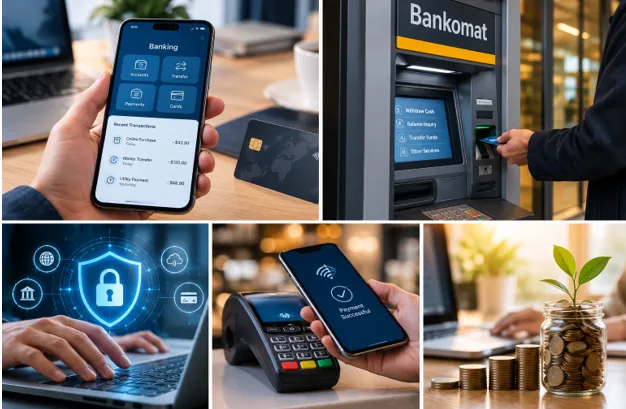
Banking has changed dramatically over the past several decades. Activities that once required customers to visit a branch, wait in line, and speak with an employee can now often be completed through automated terminals, mobile applications, and online banking platforms such as those associated with Bankomat. This shift has made financial services more accessible and flexible, giving people greater control over how and when they manage their money.
Bankomat is a term commonly associated with automated banking machines that provide convenient access to essential financial services. These machines represent an important stage in the development of self-service banking, connecting traditional banking infrastructure with the increasingly digital financial world. From cash withdrawals and balance inquiries to more advanced transaction options, automated services continue to play a meaningful role in everyday financial life.
Convenience, however, involves more than completing transactions quickly. Customers also expect reliable service, accurate account information, strong privacy protections, and straightforward access to assistance when problems arise. As banking technology evolves, financial institutions must balance these expectations while making services available to people with different needs and levels of digital experience.
Understanding the evolution of Bankomat services offers valuable insight into how banks have adapted to customer demands, how digital technology has expanded financial access, and why security and trust remain essential to the future of convenient banking.
Understanding Bankomat and the Rise of Self-Service Banking
Before automated banking became widespread, customers generally relied on physical branches to complete many routine financial activities. Branch visits were necessary for withdrawing cash outside limited arrangements, checking account information, and carrying out various transactions. Although this approach provided direct assistance, it could be inconvenient for people with demanding schedules or limited access to banking facilities.
Automated teller machines introduced a practical alternative. By allowing customers to access selected services without interacting directly with bank employees, these machines reduced dependence on branch opening hours and helped make basic banking more flexible.
The term Bankomat is associated with this broader development of automated banking. Depending on the country, financial institution, and equipment, customers may use such machines to withdraw cash, check balances, transfer funds, deposit money, or access selected account services. Not every terminal offers every function, but the underlying purpose remains similar: making routine banking tasks easier to complete.
Self-service banking also changed how financial institutions allocate resources. Automated systems can handle many repetitive transactions, allowing branch employees to focus on more complex customer needs, financial guidance, and services that benefit from direct human support.
This development did not eliminate the need for traditional branches. Instead, it expanded the range of ways customers could interact with their banks. The combination of physical terminals, branch services, and digital platforms created a more flexible banking environment.
How Automated Banking Has Evolved Over Time
Early automated banking machines primarily focused on cash access. Their central purpose was to let customers withdraw money without visiting a teller, making banking more convenient outside ordinary business hours. As technology advanced, machines gained improved interfaces, stronger processing capabilities, and connections to increasingly sophisticated financial networks.
Later developments expanded the range of supported transactions. Some machines began accepting deposits, printing account information, and offering additional self-service functions. Improvements in communication technology also helped financial institutions process transactions more efficiently and maintain more consistent account records.
Security evolved alongside these capabilities. Banks introduced more advanced card verification, encrypted communications, monitoring systems, and procedures for detecting suspicious activity. These protections became increasingly important as automated terminals connected to wider financial networks and handled a growing variety of transactions.
The development of mobile banking introduced another major shift. Customers could now check balances, transfer funds, and manage accounts from their smartphones, reducing the need to visit either a branch or an automated terminal for many routine tasks.
Yet the arrival of mobile banking did not make physical machines obsolete. Customers still need cash, and digital services are not equally accessible to everyone. A person with limited internet connectivity or no suitable smartphone may continue to depend on physical banking facilities.
The evolution of Bankomat services therefore reflects a gradual expansion of choice rather than a complete replacement of older systems. Each generation of technology has added new ways to access financial services while preserving the usefulness of established banking infrastructure.
Why Convenience Matters in Everyday Banking
Convenient banking saves time, reduces unnecessary effort, and gives customers more flexibility over their financial activities. Someone who needs cash before travelling, for example, can use an automated terminal without arranging a branch visit. Another customer may check an account balance through a mobile application before making a purchase.
These small improvements can have a meaningful cumulative effect. When routine transactions become easier, customers can spend less time handling administrative tasks and more time on work, family responsibilities, or business activities.
Convenience is especially important for people whose schedules do not align with standard branch hours. Shift workers, small-business owners, students, and frequent travellers may benefit from services that remain available beyond conventional operating times.
Businesses also benefit from accessible banking infrastructure. Owners can obtain cash for daily operations, monitor account activity, and use digital payment services to manage transactions. Reliable access to financial services can help businesses operate more smoothly and respond to changing customer needs.
However, convenience should never be measured by speed alone. A service that processes a transaction quickly but provides unclear fees, inaccurate records, or poor customer support does not deliver a complete banking experience.
The most useful banking services combine ease of use with dependable performance, transparent information, and appropriate safeguards. Customers should be able to complete transactions confidently and understand what to do if something goes wrong.
Connecting Physical Banking With Digital Services
Modern banking increasingly depends on the integration of different service channels. Customers may use an automated terminal for cash withdrawals, a mobile application to review their account, and an online portal to manage payments. Ideally, these channels should provide consistent information and work together without unnecessary friction.
For example, when a customer withdraws cash from a Bankomat terminal, the transaction should appear accurately in the account record. If the customer receives banking notifications, the corresponding alert should reflect the transaction correctly. Consistency across these channels helps users understand their available funds and identify unfamiliar activity.
Mobile applications also extend the usefulness of physical banking infrastructure. Customers can locate nearby supported terminals, review transaction histories, manage cards, or receive alerts before and after using banking services. The exact features depend on the financial institution and the services it provides.
Integration can also improve operational efficiency. Connected systems may help banks monitor equipment availability, identify technical faults, and plan maintenance. Better visibility allows service providers to address problems before they create prolonged disruptions for customers.
Nevertheless, integration introduces technical challenges. Different systems may use different software, data formats, and security arrangements. Financial institutions must ensure that information moves accurately between these systems and that each connection follows appropriate security requirements.
A connected banking experience is valuable only when it remains reliable. Convenience should be supported by well-maintained infrastructure, consistent account information, and clear procedures for resolving failed or delayed transactions.
Digital Security and Safe Use of Banking Services
As banking becomes more connected, protecting customer information becomes increasingly important. Financial services handle sensitive details such as account credentials, payment information, transaction histories, and personal identification records. Weak security can expose customers to unauthorized transactions, identity misuse, and financial disruption.
Automated terminals require protection against both physical and digital threats. Banks and terminal operators should maintain secure software, inspect equipment for suspicious modifications, restrict access to sensitive components, and monitor unusual transaction patterns. Regular maintenance helps reduce the likelihood of technical failures and preventable security weaknesses.
Customers can also take practical steps to protect themselves when using automated machines. They should pay attention to the condition of a terminal, shield the keypad when entering a PIN, and avoid proceeding if the machine appears to have been altered. If a terminal behaves unexpectedly, they should report the issue through the bank’s official support channels.
Digital banking requires similar caution. Customers should use strong, unique passwords, enable multi-factor authentication where available, and keep their devices and applications updated. They should avoid entering account credentials through links received in unexpected messages, even when those messages appear to come from a familiar financial institution.
The following habits can make everyday banking safer:
- Review account activity regularly and enable transaction notifications where available.
- Use official banking applications and verify website addresses before signing in.
- Never disclose passwords, PINs, or one-time verification codes to unsolicited callers or messages.
- Report lost cards, unfamiliar transactions, and suspected account compromise promptly.
- Contact the bank through a verified channel when a transaction or terminal behaves unexpectedly.
These practices complement the security controls maintained by financial institutions. While customers cannot control every aspect of banking technology, informed decisions can reduce avoidable risks and help them respond more quickly when something appears wrong.
Bankomat.cc and the Importance of Verifying Online Services
Banking-related terminology often appears in online searches, financial discussions, and references to digital services. However, a familiar name does not automatically establish that a website is operated by a licensed bank or an authorized financial provider.
Bankomat.cc should therefore be evaluated according to its specific context. The domain name alone is not sufficient evidence of an official connection to a banking institution, an automated terminal network, or a legitimate financial service.
Before using an unfamiliar website for a financial purpose, customers should verify who operates it and whether the relevant institution recognizes it as an official channel. They should review the site’s stated purpose, contact information, privacy policy, and terms of service, looking for information that can be independently confirmed.
It is also important to understand that HTTPS does not guarantee legitimacy. An encrypted connection helps protect information while it travels between a browser and a website, but deceptive websites can use encryption as well. Users must consider the identity of the operator, the destination’s reputation, and the reason it requests particular information.
Be cautious if an unfamiliar page asks for bank passwords, card details, identity documents, or verification codes without a clear and verifiable reason. Avoid making payments or downloading unexplained files until the service has been independently assessed.
For ordinary banking activities, use the financial institution’s verified application, known official website, or established customer-support channels. These routes make it easier to confirm that a service is genuine and reduce the chance of sharing sensitive information with an untrusted party.
Financial Inclusion and Access to Banking Facilities
One of the most important benefits of convenient banking is its potential to improve financial inclusion. People living in rural communities or areas with limited branch coverage may otherwise need to travel considerable distances to access basic financial services. Automated terminals can reduce some of this burden by providing access points closer to where people live and work.
Physical banking services can also support customers who do not have reliable internet access or suitable devices for mobile banking. Although digital services continue to expand, not every customer can use them comfortably or consistently.
Small businesses may benefit from accessible cash services and connected financial tools. Retailers, independent service providers, and other local businesses often need dependable access to deposits, withdrawals, and account information to manage daily operations.
Still, installing technology is not enough to guarantee meaningful access. Financial institutions must consider service fees, machine availability, physical accessibility, language barriers, and the needs of customers who require additional assistance. A terminal that is frequently out of service or difficult to use may offer little practical benefit.
A well-designed banking network combines physical terminals, digital platforms, branches, and customer support. This variety gives people more options and helps ensure that convenience is available to customers with different circumstances and preferences.
Artificial Intelligence and the Future of Banking Convenience
Artificial intelligence is creating new opportunities for financial institutions to improve service quality and identify problems more quickly. Automated systems can analyze transaction patterns, flag unusual activity, and help banks investigate potential fraud. When implemented carefully, these capabilities can support more timely decisions.
AI may also help financial institutions monitor the condition of automated terminals. By analyzing equipment data and service patterns, certain systems can identify warning signs that suggest a machine may require maintenance. Earlier intervention can reduce downtime and improve the customer experience.
In digital banking applications, virtual assistants can answer routine questions, explain common procedures, and guide customers toward appropriate support channels. These tools may reduce waiting times, although complicated or sensitive issues still require access to qualified human assistance.
The technology has limitations. Automated monitoring can produce false alerts, while predictive systems may overlook unfamiliar problems. Banks must test these systems, protect the data they use, and ensure that important decisions remain accountable.
The future of Bankomat services may involve more personalized digital support, better equipment monitoring, and closer integration with other banking channels. The objective should not be to automate every interaction, but to make essential services more dependable and easier to access.
What Customers Should Expect From Modern Banking Providers
Customers should expect financial institutions to provide reliable services, transparent information, and practical support when problems occur. Convenience loses its value if users cannot understand transaction fees, verify a payment, or obtain assistance after an unexpected error.
Clear communication is especially important during service interruptions. If a terminal becomes unavailable or a transaction cannot be completed, customers need straightforward instructions about what happened and how to resolve the issue. Accurate information reduces uncertainty and helps prevent repeated transactions that could create additional complications.
Banks should also make security guidance accessible. Customers need to know how to report suspicious activity, block a compromised card, recover an account, and identify official communication channels. These procedures should be easy to locate and understandable without specialist technical knowledge.
Financial institutions must continually assess their systems, review third-party providers, update software, and train employees to recognize emerging threats. They should measure service quality through practical indicators such as transaction accuracy, availability, customer satisfaction, and the time required to resolve disputes.
Ultimately, modern banking should provide a balance of convenience, accessibility, and protection. The strongest services make everyday tasks easier while maintaining the safeguards customers need to trust them.
Conclusion
The evolution of Bankomat services illustrates how banking has moved from branch-centered transactions toward a flexible combination of physical infrastructure and digital technology. Automated terminals remain useful for cash access and routine services, while mobile applications and connected platforms give customers additional ways to manage their finances.
This progress brings responsibilities alongside convenience. Financial institutions must maintain secure systems, provide reliable information, and support customers when problems arise. Customers, in turn, should verify unfamiliar services, protect their account credentials, and review their transactions regularly.
References such as Bankomat.cc also demonstrate why online identities should be checked rather than trusted solely because a name appears familiar. Independent verification remains an essential part of safe financial decision-making.
Convenient banking works best when technology, accessibility, and security reinforce one another. By continuing to improve infrastructure while protecting customer trust, financial institutions can make everyday banking more dependable and accessible for a wider range of people.