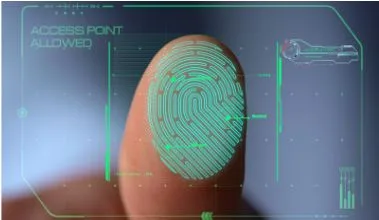
Exploring the benefits of National ID Programs using Biometric Systems
National ID programs give governments the ability to provide dependable and secure identity verification for their populations.
In turn, this enables citizens to access public services, voting, healthcare, and more. While there are a lot of variables to consider, including the size of the population and the levels of accuracy required, most countries would benefit from the solutions. However, many are still holding back out of fear of fraud and duplication. Using the right biometric technology — specifically, ABIS software — can ensure a successful launch and effective use of the system. To understand the technology further, you can learn more about ABIS here for detailed insights.
The Key Obstacles of National ID Programs
Biometric systems for National ID programs contain hundreds of millions of identities and should ensure that each citizen is registered exactly once. Registration solutions and conventional databases frequently contain errors, duplicate data, and have low performance. On the other hand, consistent enrolment, quality of data, and information exchange among public agencies complicate the process of implementation. Successful identity matching is additionally very important, as any issues can pose a threat to the program, its users, and its administrators alike.
How ABIS Software Solves the Issue of Secure Identity Management
The Automated Biometric Identification System is the main settlement platform for biometric identification applications. When an organization adds new stored biometric data, it is compared with already stored data to check if the entity is already in the database. This is known as deduplication. It not only helps remove duplicate entities from the massive database but also ensures the uniqueness of the database with a predefined population. The deduplication process increases performance, reduces errors, and streamlines deployment. Consequently, costs are reduced while performance and reliability are improved, making it the perfect system for managing databases of any size, especially ones with millions or more entities.
How ABIS Solutions Work: Basics
Basic operations of the ABIS solution begin when biometric samples are obtained either from an individual or from a card-presented request. ABIS samples are stored as digital templates that are secure and protected from any attempts at direct extraction. These are stored in the database and compared in the future with any biometric data samples provided by the users.
Biometric Modalities Supported by an ABIS Platform
The ABIS system should be able to support an array of biometric modalities to guarantee top performance, as well as flexibility. Fingerprints are the most widely used, so many solutions at minimum support these, while face identification is increasing in popularity due to its non-intrusive nature in the identification process. Iris recognition is the best biometric choice if the demanding identification process requires high accuracy. By supporting multiple biometric modalities, the system can identify a wider range of users.
ABIS technologies are complex, but they make it much easier to manage the biometric process of National ID programs, automatically matching identities with enormous databases with high levels of scalability and accuracy. This reduces the inconvenience for citizens because the databases easily scale, and efficiency increases, making the system suitable for a larger population.