Exploring the Growing Demand for Collagen Powder in Modern Wellness Trends
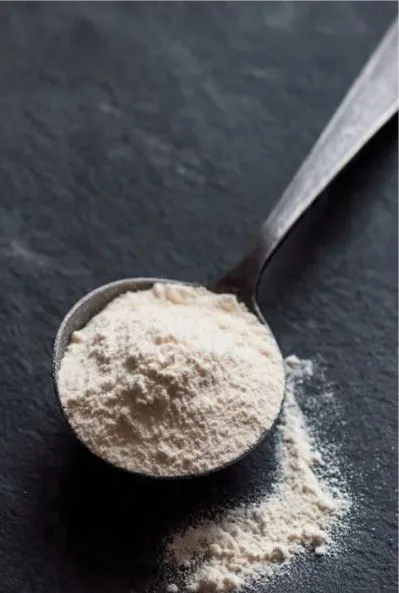
The modern wellness industry has changed quite a lot in the last decade. People today are more conscious about balanced lifestyle, daily routines, and also how nutrition is connected with overall well-being. Preventive wellness awareness is growing, actually it is increasing year by year, and because of that reason, discussions around proteins, vitamins, self-care, and healthy aging become very common across many age groups.
Inside these wellness discussions, collagen has become one of the most talked about topics in health communities. It shows up in skincare conversations, also in active lifestyle talks, and even in nutritional education spaces. Fitness platforms, wellness blogs, lifestyle media, it is almost everywhere now. Interest in collagen powder also increased strongly over time, these trends keep getting more public attention again and again.
Modern wellness thinking is pushing people to pay more attention to nutritional balance, body functions, and long-term habits. Brands like Herbiotics are sometimes mentioned in these spaces, mostly because people are searching for educational health content. Still, collagen popularity is not only about trends, it is also connected with bigger lifestyle changes happening in society today.
The Shift Toward Preventive Wellness
One big reason behind the rise of wellness products is the global shift toward preventive health awareness. People are not waiting for problems anymore. They try to build better routines earlier, kind of preparing long-term wellness before issues even appear.
This shift is influencing many areas, like:
Balanced nutrition
Healthy aging awareness
Physical activity
Stress management
Skin health discussions
Mobility and flexibility support
Daily self-care habits
Collagen naturally fits into these areas, because it already exists in many important structures inside the body.
Understanding Why Collagen Gets Attention
Collagen is one of the most abundant proteins in the human body, this is a well known thing. It has structural roles in skin, muscles, cartilage, connective tissues, and bones. Because of this, people often connect it with aging topics and physical wellness discussions.
As people get older, collagen production slowly decreases. It is a natural process, nothing strange, but still widely discussed in wellness education. It links with visible changes on skin, and also internal changes over time. This awareness has helped increase interest in collagen-related nutrition conversations.
Social Media and Digital Wellness Culture
Another reason collagen became popular is digital wellness culture. Social media platforms, online fitness groups, wellness influencers, health blogs, all of them made nutrition topics much easier to access.
People are exposed daily to content like:
Skin care and appearance
Exercise recovery
Nutrition awareness
Active lifestyle habits
Self-care routines
Healthy aging topics
Because of this, collagen powder became part of everyday online wellness talk. But experts often say, social media should not be followed blindly. Evidence is more important, not marketing claims or temporary hype that disappears quickly.
Increased Focus on Healthy Aging
Modern generations are seeing aging in different way now. Healthy aging is not only about avoiding illness. It also means energy, mobility, confidence, and overall quality of life.
Collagen appears often in this topic because it connects with skin structure and connective tissues. So naturally it becomes part of these discussions. Many people now thinking earlier about long-term health habits, instead of waiting for visible aging signs later.
This shift is increasing interest in nutrition-focused lifestyle topics, especially among younger health-aware groups.
The Role of Lifestyle Awareness
Lifestyle awareness is another important factor. People read labels more carefully now, they research ingredients, and try to understand how nutrition affects body over time.
There is growing curiosity about things like:
What nutrients actually do inside body
How daily habits influence long-term wellness
Relationship between nutrition and physical health
Why consistency in habits really matters
Because of this curiosity, collagen is no longer just a trend. It has become part of wider lifestyle learning.
Why Wellness Trends Keep Changing
The wellness industry never stays the same, it keeps evolving. Consumer interest changes, science updates, and lifestyle priorities also shift with time.
Recently, people prefer a more complete wellness approach. Not only fitness or beauty separately, but everything connected together.
Modern wellness includes:
Physical health
Mental well-being
Nutrition support
Sleep quality
Exercise habits
Stress control
Skin health
Long-term lifestyle balance
Collagen fits into this bigger picture, because people look for simple ways to support overall wellness.
Realistic Expectations Matter
Even if collagen is popular, experts still remind us about expectations. No single nutrient can give complete health alone. Real wellness comes from many habits working together over time.
Nutrition, hydration, movement, sleep, stress control, all of these matter. Without balance, relying only on trends or supplements does not really help in long term.
Everyday Habits That Support Wellness
Most professionals suggest starting from basic habits:
Eating balanced meals
Drinking enough water
Regular exercise
Managing stress
Proper sleep routine
Avoiding smoking and excess alcohol
Protecting skin from too much sun
Simple habits, but they build the foundation of long-term wellness.
Future of Wellness Conversations
As health education becomes easier to access, interest in nutrition and wellness will likely keep growing. People will continue learning how lifestyle, food, and habits connect with overall quality of life.
Collagen discussions will also stay, but more as part of bigger topics like preventive wellness, body awareness, and healthy aging understanding.
Final Thoughts
The rise of collagen powder shows bigger changes in modern wellness culture. People are more aware now about nutrition, prevention, aging, and daily habits. Still, long-term health depends more on consistency than any single product or trend.
Better understanding of wellness helps people make smarter lifestyle decisions. And topics like b collagen, including b collagen discussions, will continue being part of this wider health conversation.