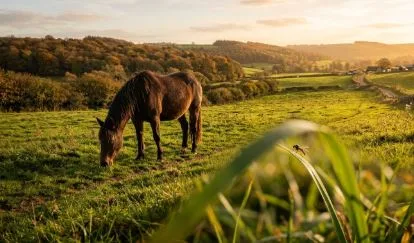
Extended Insect Seasons Threaten Horses and Farm Animals: What Owners Can Do
Over 600 species of insects bite, and flies are a particular problem for horses, with thousands buzzing around a single animal during a peak summer day. While owners once looked forward to the first frost as a hard reset for pest control, those windows of relief are shrinking.
Milder winters allow larvae to survive in the soil longer, meaning the bugs arrive earlier and stay until the leaves are off the trees. It is a shifting cycle that leaves livestock vulnerable to constant irritation and heightened disease risks.
The Impact of Shifting Seasons on Animal Health
Warmth and moisture are the primary drivers of insect populations, and recent climate trends have extended these ideal breeding conditions. When temperatures remain elevated into the late autumn, mosquitoes and midges continue to cycle through life stages that would normally be dormant.
This isn’t just an annoyance for the animals. Horses and cattle facing constant bombardment experience significant physiological stress, which can lead to weight loss and weakened immune systems.
A 2025 study on rising West Nile virus cases highlights how mosquitoes are expanding into new territories as temperatures climb. This expansion introduces new pathogens into herds that lack natural immunity.
You might notice your horse spending more time tail-swishing or leg-stomping than grazing, which is a clear sign that the environmental pressure is exceeding their comfort threshold. Owners must adapt their management styles to account for this nearly year-round threat.
Proactive Management and Protective Gear
Effective pest control requires a multi-layered approach that goes beyond a single spray bottle. Since many biting insects breed in stagnant water or decaying organic matter, your first line of defense is rigorous pasture hygiene.
Removing manure twice weekly and ensuring all water troughs are scrubbed prevents the next generation of pests from even hatching. When the bugs are at their worst, physical barriers like fly masks and sheets provide a necessary break for sensitive skin.
To combat the persistent presence of midges and stable flies, many owners are now turning to the likes of StatelineTack fly spray products to provide a chemical barrier during peak grazing hours. It is helpful to rotate your active ingredients to ensure the local insect population does not build a resistance to a specific formula. Chemical barriers offer immediate relief, but are only part of the story.
Proper stable management further reduces the burden on your animals:
- Install high velocity fans to create turbulent air that prevents small insects from landing
- Utilize automatic misting systems in barn aisles to knock down flying pests during feeding
- Apply parasitic wasps to manure piles to naturally kill off fly larvae
Emerging Threats and Long Term Risks
The agricultural landscape is seeing a rise in vector-borne diseases that were previously restricted to tropical climates. Recent 2025 data shows a direct link between rising heat and lumpy skin disease spikes, proving that the geographical boundaries for these pests have effectively dissolved. This means a horse in a northern state may now face the same challenges once reserved for the deep south.
When insects stay active longer, the risk of “sweet itch” or equine insect bite hypersensitivity increases. This allergic reaction to midge saliva causes intense itching, hair loss, and secondary skin infections that are difficult to heal in humid weather. Monitoring local weather patterns and being proactive with repellent applications means you can mitigate the worst of the seasonal creep, especially as climate change brings more extreme weather.
Safeguarding Your Herd for the Future
Maintaining a healthy environment for your horses and farm animals requires constant vigilance in this new climate reality. Focusing on a combination of environmental cleaning and high-quality topical protection ensures your animals stay focused on their work and rest rather than the swarm. For more coverage on a range of topics across agriculture, business, and all other areas of news, stay tuned to our site.