Fablewoode Residences Registers the First EC Land Rate Under $700 Since Lumina Grand
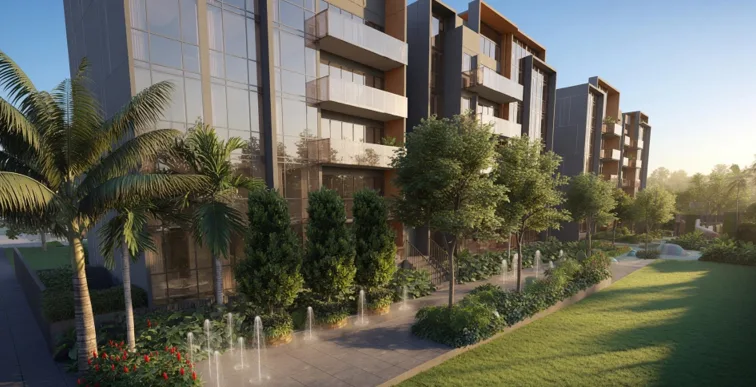
Fablewoode Residences Marks an EC Land Rate Below $700
In Singapore’s executive condominium market, the land acquisition story can be as revealing as the eventual launch. Fablewoode Residences, a new residential development at Sembawang Road by JBE Holdings, enters the conversation with a notable distinction: the first EC land rate below $700 since Lumina Grand. For buyers watching the balance between private residential aspirations and financial prudence, that threshold offers a compelling starting point for understanding the development’s potential positioning.
The significance lies not in a promise of lower selling prices, but in the cost foundation beneath the project. A land rate below this benchmark invites closer attention to how an EC might be conceived, priced and presented in a market where affordability remains central to purchasing decisions. It also brings a familiar question back into focus: how much of a favourable land acquisition can ultimately translate into value for homeowners?
Why the Sub $700 EC Land Rate Matters
Land is a major component of development expenditure. In Singapore land tenders, rates are commonly expressed per square foot per plot ratio, allowing sites with different permissible gross floor areas to be compared on a more consistent basis. This measure concerns the cost of development land; it is not the selling price buyers will pay for an apartment.
That distinction is essential when interpreting the headline. Crossing below $700 represents a notable land-cost marker, rather than an announced entry price for future homes. Construction, financing, professional services, regulatory requirements and other development expenses still shape the final commercial picture. Nevertheless, a lower land-cost base can provide useful flexibility as a developer balances specification, market positioning and its intended returns.
Fablewoode Residences Reopens the Comparison With Lumina Grand
The reference to Lumina Grand gives the headline its historical context. Rather than viewing the Sembawang Road development in isolation, buyers are invited to consider it against an earlier EC land-cost benchmark. Being the first below that threshold since Lumina Grand makes the acquisition noteworthy, particularly for households tracking how the economics of new executive condominiums evolve between launches.
However, the comparison should remain precise. A shared land-rate threshold does not make two developments equivalent in location, design, specifications or eventual selling prices. Each project reflects its own site conditions and the market prevailing during development. The useful takeaway is narrower but meaningful: this latest land outcome introduces a fresh reference point for assessing the cost foundations of upcoming EC supply.
A Lower Land Base Creates Possibilities Rather Than Promises
For prospective purchasers, the natural temptation is to connect a lower land rate directly with a more accessible launch. That possibility deserves attention, but not certainty. Developers assess selling prices against prevailing demand, competing properties, construction commitments and the attributes of the completed offering. Land acquisition is influential, yet it remains one part of a broader development equation.
At Fablewoode Residences, the sub $700 benchmark therefore supports a value conversation without settling it in advance. A favourable acquisition base may create room to consider competitive positioning, thoughtful specifications or a balanced overall proposition. Which of these possibilities becomes meaningful to purchasers can only be judged when official project details and launch terms are available.
Value Must Be Visible in the Finished Proposition
A discerning buyer will look beyond the land headline to the home itself. Efficient planning, considered finishes and practical living spaces matter because they determine everyday usefulness. The strongest expression of a favourable cost base is not simply a persuasive launch narrative, but a residential offering whose quality and total purchase commitment make sense together. Those qualities require assessment against released plans and specifications, rather than assumption.
Reading the Sembawang Road Opportunity Through Cost Discipline
The project’s Sembawang Road location provides the setting for this discussion, while JBE Holdings is the developer behind the offering. Neither detail changes what the land-rate milestone means: it establishes a cost reference from which the development’s eventual market proposition can be assessed. For buyers considering this part of Singapore, that reference adds another dimension to their evaluation.
Rather than treating the location and acquisition figure as separate selling points, purchasers can consider how they work together. The relevant question is whether the eventual asking price feels justified by the address, the proposed home and the wider alternatives available at launch. A lower land rate makes that assessment interesting; it does not remove the need for careful comparison.
What Buyers Should Take From This EC Milestone
The most useful response to the headline is informed attention. Buyers can recognise the significance of the first EC land rate below $700 since Lumina Grand while keeping their expectations grounded. When further details emerge, the appropriate comparison will include total purchase price, layout suitability, applicable EC eligibility requirements and financing considerations. These factors determine personal affordability more directly than the developer’s land cost alone.
Fablewoode Residences has a clear reason to stand out in the EC conversation before its full proposition is assessed. Its land-rate milestone offers a meaningful foundation for discussing value, without requiring premature claims about savings or future performance. For households seeking a considered route towards condominium living, the opportunity is to watch how that foundation develops into a complete offering—and whether the final balance of price, quality and suitability fulfils its early promise.