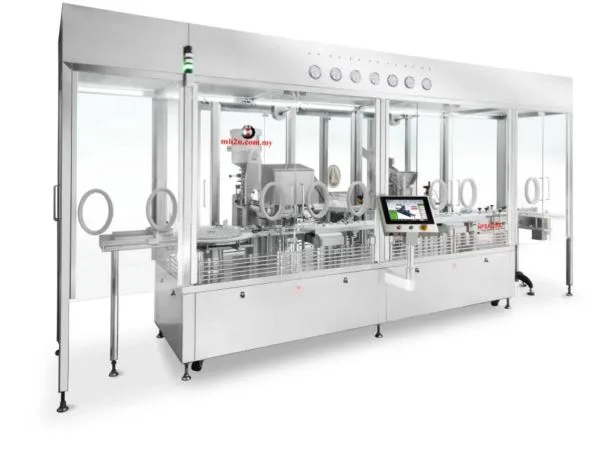
Factors to Consider When Choosing a Dry Injection Filling Machine
Choosing the right dry injection filling machine is a critical step for pharmaceutical manufacturers handling sterile injectable products. This equipment directly influences dosage accuracy, product integrity, and patient safety. A well-selected system supports efficient operations while maintaining strict aseptic conditions. Making an informed choice reduces production risks and long-term operational challenges.
Pharmaceutical production environments demand precision and reliability at every stage. Poor equipment selection can lead to contamination issues and regulatory noncompliance. Advanced machinery supports consistent quality across large production volumes. Understanding selection factors is essential for sustainable manufacturing success.
Important Things to Consider
Selecting a dry injection filling machine requires evaluating technical performance, compliance needs, and operational compatibility. Each manufacturing facility has unique production goals and physical constraints. Ignoring critical considerations can result in inefficiencies and financial losses. A structured assessment helps align equipment capabilities with business objectives.
Decision-making should involve long-term planning and scalability analysis. Equipment must support current demands while accommodating future expansion. Balancing efficiency, compliance, and cost is essential in pharmaceutical manufacturing. Proper evaluation ensures a reliable and future-ready investment.
1. Production Capacity
Production capacity determines the number of containers filled within a defined time period. Manufacturers must evaluate current output demands to avoid workflow disruptions. Insufficient capacity can delay orders and reduce customer satisfaction. Proper planning ensures smooth and continuous production operations.
Future growth projections should influence capacity selection decisions. Scalable systems allow manufacturers to increase output without replacing equipment. Overestimating capacity may increase operational expenses unnecessarily. Balanced capacity selection supports efficiency and cost control.
2. Accuracy Level
Accuracy is essential to ensure correct dosage in injectable products. Even minor variations can affect drug effectiveness and patient safety. Precision filling systems reduce material waste and batch rejection. Accurate dosing supports consistent quality and regulatory compliance.
Advanced sensors and control systems enhance filling consistency. Automation improves repeatability during high-volume production. Reliable accuracy strengthens brand credibility and market trust. Precision should remain a top selection priority.
3. Sterility Assurance
Sterility assurance is mandatory in injectable drug manufacturing. Equipment must support aseptic filling and contamination prevention. Poor sterility control can lead to recalls and regulatory penalties. Maintaining sterile conditions protects patients and manufacturers.
Isolators and controlled airflow systems enhance contamination control. Reduced human contact lowers microbial risks. Sterility-focused design simplifies regulatory compliance processes. Strong sterility assurance ensures long-term production reliability.
4. Automation Level
Automation level defines how much human involvement is required during filling operations. A dry injection filling machine with higher automation reduces human error and contamination risk. Automated systems improve consistency and throughput in sterile environments. They also enhance operator safety and process reliability.
Semi-automated systems may suit smaller production facilities. However, increased manual handling raises contamination risks. Automation offers long-term efficiency and cost benefits. Choosing the right level depends on scale and operational goals.
5. Machine Flexibility
Machine flexibility allows handling different container sizes and formulations. Flexible systems support faster changeovers between products. This reduces downtime and improves operational efficiency. Flexibility is valuable for manufacturers with diverse product lines.
Modular designs enable easy configuration adjustments. Adaptable equipment supports future product development needs. Limited flexibility can restrict production capabilities. Investing in versatility supports long-term growth.
6. Regulatory Compliance
Regulatory compliance is essential in pharmaceutical manufacturing. Equipment must meet GMP and international regulatory standards. Noncompliant systems can delay approvals and halt production. Compliance-ready machines simplify audits and validation.
Built-in documentation features support regulatory inspections. Validation-friendly designs reduce compliance risks. Regulatory alignment protects market access and brand reputation. Compliance should never be compromised.
7. Ease of Cleaning
Ease of cleaning helps prevent cross-contamination between batches. Smooth surfaces and minimal crevices simplify cleaning processes. Complex designs increase downtime and contamination risks. Efficient cleaning supports consistent hygiene standards.
Tool-free disassembly improves cleaning efficiency. Clean-in-place systems reduce manual labor requirements. Simplified cleaning lowers operational costs. Easy maintenance enhances reliability.
8. Operational Speed
Operational speed affects productivity and order fulfillment timelines. A dry injection filling machine with adjustable speed allows balanced performance control. Higher speeds increase output without compromising quality when properly managed. Speed flexibility supports different production requirements.
Excessive speed without control can increase error rates. Controlled operations protect accuracy and sterility. Speed optimization improves manufacturing efficiency. Balanced speed selection supports quality output.
9. Space Requirements
Space availability influences machine selection decisions. Equipment must fit within existing production layouts. Oversized machines can disrupt workflow and safety. Efficient space planning improves operational flow.
Compact designs are ideal for limited facilities. Modular layouts allow flexible installation options. Poor space utilization reduces efficiency. Space-conscious machines maximize productivity.
10. Maintenance Support
Reliable maintenance support ensures uninterrupted operations. A dry injection filling machine with accessible service reduces downtime risks. Easy access to spare parts improves repair efficiency. Maintenance-friendly designs extend equipment lifespan.
Supplier training programs enhance maintenance effectiveness. Preventive servicing improves long-term reliability. Poor support increases operational disruptions. Maintenance availability should influence purchasing decisions.
11. Cost Considerations
Cost includes purchase, installation, and operational expenses. Lower initial cost may increase long-term ownership expenses. Evaluating total cost ensures better financial planning. Durable equipment offers long-term value.
Energy efficiency affects ongoing operational costs. High-quality machines reduce repair frequency. Budget decisions should balance cost and performance. Smart investments improve profitability.
12. Supplier Reputation
Supplier reputation reflects product quality, service reliability, and long-term partnership value. Working with manufacturers experienced in delivering an injectable powder dosing system ensures proven performance and regulatory confidence. Trusted suppliers provide strong technical support, documentation, and system validation assistance. Choosing a reputable supplier minimizes operational risks and supports consistent production outcomes.
Customer reviews and industry references offer valuable insights into supplier credibility. Established suppliers are more likely to support upgrades and future expansion needs. Transparent communication builds trust and operational clarity. Supplier reputation should always influence final purchasing decisions.
MH Multipack: A Smart Choice
MH Multipack Sdn Bhd is a trusted name in pharmaceutical dosing and filling solutions. It is recognized as Your Premier Destination for Cutting-Edge Pharma Dosing & Filling Systems Infused with AIoT Technology in Malaysia. The company focuses on precision, innovation, and consistent manufacturing performance. Its solutions are designed to meet modern pharmaceutical production requirements.
By integrating AIoT technology, it enhances monitoring, control, and system intelligence. These capabilities improve efficiency and support predictive maintenance strategies. The company emphasizes regulatory compliance and long-term reliability. Choosing MH Multipack supports smart, future-ready pharmaceutical operations.
Conclusion
Selecting a dry injection filling machine requires careful evaluation of technical and operational factors. Each consideration directly impacts product quality and compliance. A balanced selection approach reduces risks and enhances efficiency. Informed decisions support sustainable pharmaceutical manufacturing.
By assessing capacity, automation, and supplier reliability, manufacturers ensure long-term success. The right equipment improves productivity and safety. Strategic planning supports growth and innovation. Careful selection leads to consistent operational excellence.