Fast Emergency Oil Delivery Solutions with 123 Oil
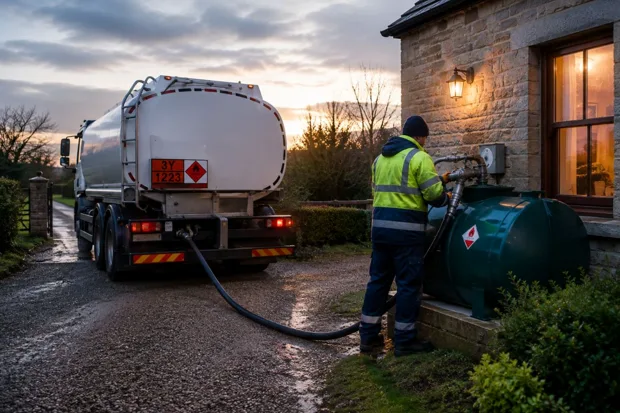
Running out of heating oil or commercial fuel rarely happens at a convenient time. It may occur during a cold evening, before an important production shift or when agricultural machinery is needed for urgent work. Whatever the circumstances, an unexpected shortage can quickly disrupt comfort, productivity and essential operations.
An Emergency Oil Delivery service provides a rapid supply when normal delivery times are not suitable. It can help households restore heating, keep generators operating and prevent businesses from losing valuable working hours. However, customers must still provide accurate information and prepare the site properly so the delivery can be completed safely.
Understanding what to do during a fuel emergency can reduce delays, prevent further problems and help customers avoid similar shortages in the future.
What Is an Emergency Oil Delivery?
An emergency delivery is arranged when fuel is required sooner than a standard scheduled order can provide. It may involve a same-day, next-day or priority service, depending on the supplier’s availability, the customer’s location and the type of fuel required.
These deliveries may support:
- Homes that have unexpectedly run out of heating oil
- Farms with machinery that cannot continue operating
- Construction sites with empty generators or plant equipment
- Commercial premises facing production delays
- Care facilities requiring uninterrupted heating
- Events using temporary fuel-powered equipment
- Businesses relying on backup power systems
Emergency availability is not always guaranteed. Demand, weather conditions, tanker schedules and delivery access can affect how quickly fuel can arrive.
Common Reasons Customers Run Out of Oil
Fuel shortages are often caused by more than simply forgetting to place an order. Consumption can increase unexpectedly, particularly during cold weather or busy commercial periods.
Common causes include:
- A sudden drop in temperature
- Increased use of heating systems
- Faulty or inaccurate tank gauges
- Delayed scheduled deliveries
- Higher machinery usage
- Changes in business activity
- Fuel leaks or damaged pipework
- A new tenant or homeowner misunderstanding the system
- Poor monitoring of tank levels
Identifying the reason for the shortage is important. If a full tank has emptied unusually quickly, customers should not assume normal usage is responsible. A leak, damaged connection or faulty gauge may need urgent investigation.
What to Do When the Tank Is Empty
Discovering an empty tank can be stressful, but placing an order without checking the situation may cause further delays.
Follow these steps:
- Turn off the heating or equipment. Avoid repeatedly trying to restart a boiler, generator or machine without fuel.
- Check the tank gauge. Confirm that the reading is accurate and inspect the tank visually where possible.
- Look for signs of leakage. Check for strong smells, staining, wet ground or visible damage.
- Confirm the required fuel type. Do not guess, especially when ordering for commercial equipment.
- Estimate the required quantity. Check the total tank capacity and current level.
- Contact a suitable supplier. Provide complete delivery and access information.
- Prepare the site. Clear the route to the tank and unlock any gates.
If a leak is suspected, professional guidance should be obtained before arranging a refill. Adding more fuel to a damaged tank could worsen the problem.
Information the Supplier Will Need
Fast delivery depends on clear communication. Missing or inaccurate details can make it difficult to confirm a suitable tanker and delivery time.
Be ready to provide:
- Full delivery address and postcode
- Contact name and telephone number
- Type of fuel required
- Approximate delivery quantity
- Tank capacity
- Current tank level
- Required delivery time
- Distance from parking area to fill point
- Road and property access restrictions
- Details of locked gates or security procedures
- Whether someone will be present
- Any previous delivery difficulties
Commercial customers may also need to provide account details, purchase order numbers or specific delivery documentation.
Domestic Heating Oil Emergencies
Rural households often depend on oil-fired systems for heating and hot water. Running out during winter can leave the property uncomfortable and may create additional risks for elderly residents, young children and vulnerable occupants.
Homeowners should take immediate steps to retain warmth while waiting for delivery:
- Close curtains and internal doors.
- Use warm clothing and blankets.
- Keep occupied rooms together where practical.
- Avoid using unsafe indoor heating equipment.
- Protect exposed pipes during freezing weather.
- Check on vulnerable household members.
- Follow manufacturer guidance before restarting the boiler.
After receiving fuel, some systems may need to be reset or professionally bled. Air can enter the fuel line when a tank runs completely dry, so the boiler may not restart automatically.
Emergency Fuel for Businesses
For commercial organisations, a fuel shortage can affect much more than indoor comfort. It may stop machinery, delay customer orders and leave employees unable to continue working.
Sectors that may require urgent delivery include:
- Manufacturing
- Logistics and haulage
- Agriculture
- Construction
- Hospitality
- Healthcare
- Facilities management
- Utilities and infrastructure
- Outdoor events
- Data and communications
Businesses should identify which equipment is most critical and communicate this clearly when placing the order. A smaller urgent delivery may sometimes restore essential operations while a larger scheduled supply is arranged.
Site Access Can Affect Delivery Speed
Even when fuel is available, the delivery cannot proceed safely if the tanker cannot reach the tank or fill point.
Potential access problems include:
- Narrow rural roads
- Low bridges
- Weight restrictions
- Soft or unstable ground
- Parked vehicles
- Locked gates
- Overhanging branches
- Tight turning areas
- Long distances between tanker and tank
- Poor lighting during evening deliveries
Customers should describe these restrictions honestly. A smaller tanker may be required for certain properties, and the supplier needs time to arrange the appropriate vehicle.
Before arrival, move vehicles, open gates and clear obstacles from the delivery route.
Confirm the Correct Fuel Before Ordering
Urgency should never replace accuracy. Putting the wrong fuel into a tank or machine may lead to breakdowns, contamination and expensive repairs.
Common products may include:
Kerosene
Kerosene is widely used for domestic oil-fired heating systems. It may also be referred to as heating oil, although customers should still confirm the exact product required.
Gas Oil
Gas oil, often called red diesel, is intended only for permitted uses. Customers must ensure that their equipment and activities meet the relevant requirements.
White Diesel
Standard diesel may be required for vehicles, generators, commercial machinery and temporary equipment.
HVO Fuel
Hydrotreated vegetable oil may be suitable for certain compatible diesel engines and systems. Manufacturer approval should be checked before switching fuels.
If there is any uncertainty, consult the appliance manual, equipment manufacturer or previous delivery documentation.
How to Prevent Future Fuel Emergencies
Urgent deliveries can be valuable, but they should not become a regular part of fuel management. Monitoring and early ordering are usually more convenient and cost-effective.
Practical prevention measures include:
- Check tank levels at least once a week.
- Increase monitoring during cold weather.
- Record monthly fuel usage.
- Set a minimum reorder level.
- Use an electronic tank-monitoring device.
- Inspect tanks and pipework regularly.
- Keep supplier contact details accessible.
- Place orders before peak winter demand.
- Review usage after business expansion.
- Investigate unusual consumption immediately.
Customers should avoid relying entirely on a gauge that has not been tested recently. Manual checks can provide reassurance when a reading appears unusual.
Maintain the Oil Storage Tank
A safe and reliable tank protects both the fuel supply and the surrounding environment. Older tanks may develop corrosion, cracks, damaged seals or unstable supports.
Regular inspections should check for:
- Rust or surface damage
- Cracks and bulging
- Loose pipe connections
- Strong fuel smells
- Damp or stained ground
- Water inside the tank
- Damaged lids and vents
- Faulty level gauges
- Weak supporting bases
- Unauthorised access
Any suspected defect should be assessed before a large order is delivered. Replacing or repairing a damaged tank may prevent fuel loss, pollution and expensive clean-up work.
Choosing a Reliable Emergency Supplier
Not every fuel provider offers urgent delivery, and service levels may vary by location. Customers should compare more than price when selecting a supplier.
Useful questions include:
- Is emergency delivery available in my area?
- Which fuel products can be supplied?
- What is the minimum delivery quantity?
- Are additional urgent-delivery charges applied?
- How quickly can the order be confirmed?
- Can the tanker access rural or restricted locations?
- Is payment required before dispatch?
- Will a delivery receipt be provided?
- What happens if access is not possible?
When comparing urgent fuel options, 123 Oil may be considered by customers looking for clear ordering support, suitable product availability and dependable service coverage.
Prepare for the Tanker’s Arrival
Once the delivery has been confirmed, customers should make the site ready. Preparation reduces waiting time and allows the driver to work safely.
Before the tanker arrives:
- Keep the tank area clear.
- Unlock all gates and access points.
- Remove parked vehicles from the route.
- Make the fill point easy to identify.
- Keep children and pets indoors.
- Ensure enough tank capacity is available.
- Provide lighting for evening access.
- Keep a responsible person available if required.
Do not attempt to assist with the hose or delivery equipment unless instructed by the driver.
Final Thoughts
An unexpected oil shortage can disrupt a household, delay a project or stop business operations entirely. Acting quickly is important, but accurate information, safe storage and suitable access remain essential.
Customers should confirm the correct fuel, inspect the tank for damage and provide clear delivery instructions. Once the immediate problem is resolved, regular monitoring and planned ordering can reduce the likelihood of another emergency.
A dependable urgent delivery service offers valuable support when time matters most, but good fuel management remains the best way to maintain heating, equipment and essential operations without unnecessary disruption.