Finding Quiet Together: The Growing Appeal of Group Meditation
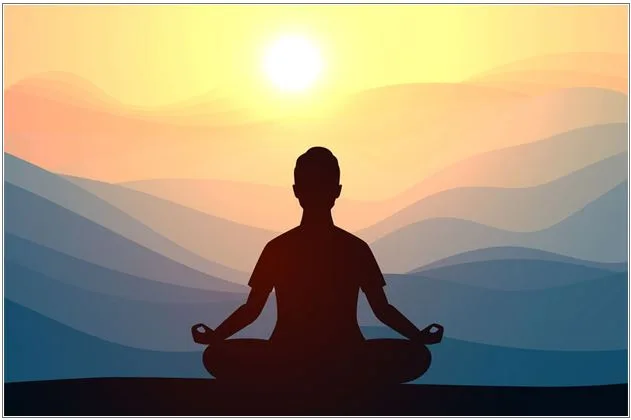
In a world where so much of daily life happens through screens, many people are searching for ways to reconnect with themselves and with others. Meditation has long been valued as a practice that encourages presence and reflection, yet maintaining a consistent routine can be surprisingly difficult when practicing alone.
This challenge helps explain the growing interest in group meditation. While solo practice remains meaningful for many people, shared mindfulness experiences often provide a sense of structure, encouragement, and connection that can make meditation feel easier to sustain over time.
At the same time, a new generation of mindful technology is emerging. Rather than encouraging more screen time, some tools are designed to help people step away from their devices and engage in real-world experiences. Together, these trends reveal something important: people are not only looking for quiet moments, they are also looking for community.
Why many people struggle to meditate consistently alone
Starting a meditation practice is often easier than maintaining one.
Many people begin with good intentions. They download an app, watch guided sessions, or set aside time each day. Yet after a few weeks, distractions, busy schedules, and competing priorities can gradually take over.
There are several reasons why solo meditation may be difficult to sustain:
- No built-in accountability
- Limited social encouragement
- Difficulty establishing routines
- Lack of shared experience
- Competing demands from work, family, and digital life
When practicing alone, it can be easy to postpone a session until later in the day or skip it entirely. Missing one day may not seem significant, but over time small interruptions can make consistency harder to maintain.
Research on habit formation often highlights the importance of environment and social support. Many behaviors become easier to sustain when they are connected to a community or shared commitment rather than relying solely on personal motivation.
Meditation is no exception.
The human element of shared practice
Humans are naturally social. Even activities that appear individual often benefit from a collective setting.
Consider exercise classes, book clubs, or community volunteer groups. Participants may join because of the activity itself, but they often continue because of the relationships and sense of belonging that develop over time.
Meditation groups can offer similar benefits.
When people meditate with others, the experience may feel more intentional. Setting aside time to meet a group creates a commitment that extends beyond personal discipline. Simply knowing that others will be present can encourage participation.
The value of shared presence
One reason group meditation appeals to many practitioners is the atmosphere created by collective focus.
Participants are not necessarily talking or interacting during the meditation itself. Yet sharing the same physical space can contribute to a feeling of connection and purpose.
Some people find that group settings provide:
- Greater consistency
- A stronger sense of routine
- Opportunities to learn from others
- Reduced feelings of isolation during practice
- Increased motivation to continue over time
These benefits are often less about the meditation technique itself and more about the environment in which the practice occurs.
In-person meditation creates space away from distractions
Modern life is filled with interruptions.
Notifications, emails, social media updates, and endless digital content compete for attention throughout the day. Even when someone intends to meditate at home, distractions can quickly pull focus elsewhere.
In-person meditation offers a different experience.
By physically entering a dedicated environment, participants create distance from many of the interruptions that dominate everyday life. The simple act of showing up can signal a transition from constant stimulation to intentional presence.
This may help explain why some people report finding it easier to maintain a practice within a group setting than entirely on their own.
The growing importance of mindfulness community
The popularity of community-based wellness activities reflects a broader cultural shift.
Many people are recognizing that well-being is not only about personal habits. Relationships, belonging, and social connection also play meaningful roles in daily life.
The U.S. Surgeon General’s Advisory on Loneliness and Social Connection highlights the importance of social relationships for overall quality of life. Similarly, public health and academic organizations continue to explore how meaningful social interaction contributes to healthier communities.
A mindfulness community can offer opportunities for connection without requiring constant conversation or social performance. Participants come together around a shared intention, creating a space where presence often matters more than productivity.
For those searching for meditation groups near me, the goal is frequently about more than meditation instruction. Many are also looking for a sense of belonging and a way to engage with others in a calmer, more intentional environment.
How technology can support real-world connection
Technology is often blamed for increasing distraction and reducing face-to-face interaction. While there is truth to those concerns, technology itself is not necessarily the problem.
The impact depends on how it is used.
Many digital platforms are designed to maximize attention and engagement. Others, however, aim to facilitate offline experiences.
This distinction is becoming increasingly important as people look for ways to use technology more intentionally.
Technology as a bridge rather than a destination
Mindful technology serves a different purpose from platforms built around endless scrolling.
Instead of encouraging users to remain online, it helps them coordinate activities, discover communities, and participate in real-world experiences.
For example, the Pinealage helps people find nearby opportunities for small, in-person meditation sessions. The goal is not to keep users engaged with the screen but to make it easier for individuals to connect offline through shared practice.
This approach reflects a broader trend in which digital tools are increasingly being used to support local community experiences rather than replace them.
From digital discovery to physical presence
When used thoughtfully, technology can help people:
- Discover local mindfulness events
- Connect with others who share similar interests
- Organize recurring meditation gatherings
- Build consistent practice habits
- Spend more time in real-world environments
In this sense, a group meditation app can function as a meeting point rather than a destination.
The technology facilitates the connection, but the meaningful experience occurs away from the device.
What research suggests about meditation and community
Organizations such as the National Center for Complementary and Integrative Health and Harvard Health Publishing have discussed the potential benefits associated with meditation practices, including support for overall reflection and awareness.
At the same time, researchers continue to study how social connection influences behavior, motivation, and habit formation.
While meditation experiences vary from person to person, combining mindfulness with community participation may create conditions that help some individuals remain engaged over longer periods.
Importantly, meditation should not be viewed as a treatment or cure for medical or mental health conditions. However, many people find that regular practice can support reflection, focus, and a greater sense of intentionality in daily life.
What this shift means going forward
The growing appeal of group meditation reflects a simple reality: many people find it easier to sustain meaningful habits when they are shared with others.
In-person meditation offers something increasingly valuable in a digital-first world, a chance to step away from constant stimulation and spend time in a focused, intentional environment. The experience combines personal reflection with human connection, creating a balance that many practitioners find supportive over time.
As technology continues to evolve, the most meaningful tools may not be the ones that demand more attention. Instead, they may be the ones that help people reconnect with their communities, build consistent habits, and discover opportunities to find quiet together.