Finding Reliable Two-Wheeled Transport for Bad Road Conditions
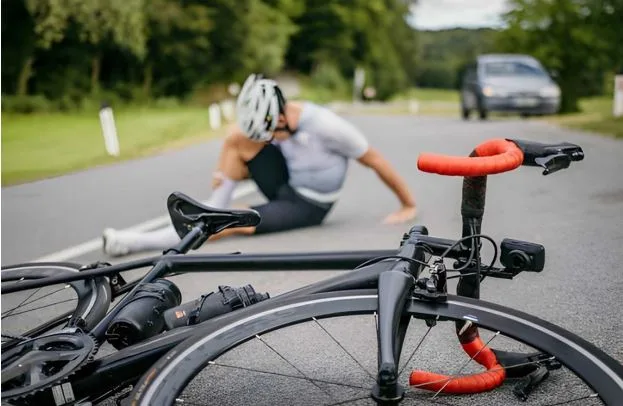
Bad roads do not just make rides uncomfortable. They wear down the wrong bicycle fast, leading to bent rims, torn tires, cracked frames, and brake problems that cost more to fix than most riders expect. In Bangladesh, where road quality can shift from smooth tarmac to broken gravel within a single block, choosing a bicycle that matches your actual terrain is the most important buying decision you can make. Let’s get to know what Bangladesh roads demand from a bicycle, which features protect the rider and the bike on rough surfaces, how different bicycle types compare on bad terrain, and which Duranta models are built to handle it.
What Makes Bangladesh Roads So Hard on Bicycles?
Bangladesh has one of the most varied road surfaces in the region. City streets in Dhaka can shift from smooth concrete to broken tarmac within a single block. Village roads are often unpaved and turn to mud and loose gravel during the monsoon.
Even highways that look fine from a car seat have cracks and potholes that hit a bicycle hard. Every bump travels directly through the frame, fork, and tires.
A bicycle not built for this starts showing stress at the joints, wears tires unevenly, and develops brake problems that get expensive fast.
Finding the Best bicycle brand in Bangladesh for bad roads is not about brand loyalty. It is about matching the bicycle to what the road actually throws at it every day.
What a Reliable Bicycle Needs for Bangladesh Roads
Five features separate a bicycle that survives bad roads from one that does not. Each one addresses a specific way rough terrain causes damage over time.
- Strong frame: An alloy or high-quality steel frame absorbs repeated road impacts without cracking at joints or welds.
- Wide tires: Tires wider than 2.0 inches grip uneven ground better and reduce the risk of punctures on broken surfaces.
- Suspension fork: The front suspension absorbs the shock from potholes and hard edges, so your hands, arms, and frame do not take the full hit.
- Reliable brakes: V-brakes or disc brakes give consistent stopping power even in rain, mud, and grit, where caliper brakes lose grip.
- Local service support: Every bicycle eventually needs maintenance. A brand with service points near your area saves time, money, and stress when something needs fixing.
Road Type vs Best Bicycle Match
Your road type should decide your bicycle type, not the other way around. Use this table to match what you actually ride on to what you actually need.
| Road Type | Common Where | Best Bicycle Type |
| Smooth paved roads | Dhaka city center, highways | Regular bicycle or E-Bike |
| Mixed paved and cracked roads | Most city neighborhoods | MTB or hybrid bicycle |
| Unpaved village roads | Rural Bangladesh | MTB with wide tires and suspension |
| Muddy or flooded paths | Anywhere in monsoon season | MTB with disc brakes |
If your daily route crosses more than one road type, always choose a bicycle suited to the rougher end of your commute.
A bicycle that handles bad roads will always handle good roads just fine. The reverse is never true.
MTB vs Regular Bicycle vs E-Bike: Which Handles Bad Roads Best?
Each bicycle type is built differently and suits a different kind of rider and road. This comparison lays it out plainly so you can decide without guesswork.
| Factor | Regular Bicycle | MTB | Duranta E-Bike |
| Road handling | Smooth roads only | All terrain | Mixed and paved roads |
| Suspension | None | Front fork suspension | Front fork suspension |
| Tyre width | Narrow | Wide (2.1 inch and above) | Medium |
| Brake type | Caliper brake | Disc or V-brake | Mechanical brake |
| Starting price | BDT 5,000 onward | BDT 6,000 onward | BDT 42,000 onward |
| Best suited for | Short flat routes | Rough and mixed terrain | Daily commute with motor assist |
If your route involves dirt paths, potholes, or monsoon conditions, an MTB is the safest choice. If you commute on mostly paved roads with some rough patches, an E-Bike handles the distance without the physical toll. A regular bicycle works well only on consistently smooth road surfaces.
What Happens When You Buy the Wrong Bicycle for Bad Roads?
A cheap bicycle built for smooth surfaces starts failing within weeks on rough terrain. The frame develops micro-cracks at the joints from constant impact.
Tires wear unevenly and puncture more frequently. Brake pads fill with grit and lose stopping power. Wheel rims bend or buckle on hard landings. Each of these is a repair cost that adds up fast.
On a low-cost bicycle, the total repair bill within the first year can easily match or exceed the original purchase price. Beyond money, a mismatched bicycle is also a safety issue.
A frame that flexes under hard impacts or brakes that fail in wet conditions puts the rider at real risk on busy roads.
Spending a little more upfront on a bicycle actually built for Bangladesh’s road conditions will always cost less in the long run than fixing one that was never right for the job.
How Duranta Builds Bicycles for Bangladesh Roads
Duranta is made by Rangpur Metal Industries, part of the RFL Group, at a full production facility in Habiganj.
Every bicycle undergoes in-house ISO-standard testing for frame strength, brake performance, and component durability before leaving the factory.
The brand exports to over 40 countries, including regulated markets in the UK and the EU, which means international quality standards are built into the production line rather than added as an afterthought.
The Duranta MTB range comes with suspension forks, V-brakes, and wide tires designed for mixed and rough terrain.
The E-Bike range adds motor support for longer commutes on mixed road surfaces. Every Duranta bicycle sold in Bangladesh is backed by a warranty and a nationwide service network.
For a rider who needs a bicycle that can handle Bangladesh’s roads without constant repairs, this manufacturing background is exactly what to look for in a long-term two-wheeler.