
Finding Your Peace: Simple Ways to Relax and Unwind in a Busy World
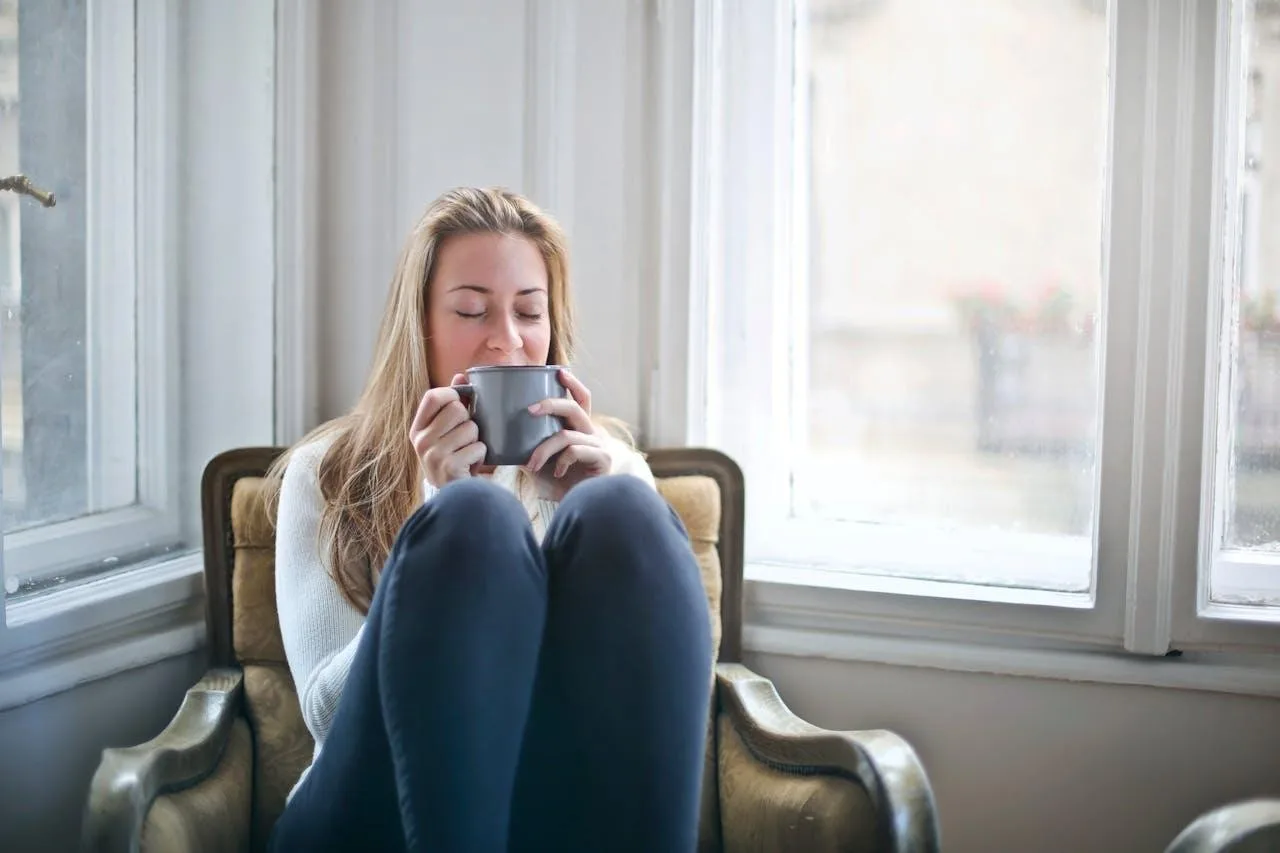
Modern life has a way of sweeping us into a cycle of urgency—constant notifications, long work hours, and the pressure to stay productive. Many people struggle to carve out time for true relaxation. Yet, relaxing isn’t a luxury; it’s a necessity for mental clarity, emotional balance, and long-term well-being. Fortunately, relaxation can be cultivated through simple, meaningful practices that reconnect the mind and body.
The Power of Creative Expression
One of the most therapeutic ways to unwind is through creative activities. Painting, for example, allows the mind to drift toward quiet focus. Engaging with artwork—whether through home projects or exploring artistic platforms such as the content found on gilpainting.ca—can spark joy and provide an emotional outlet. Creative expression doesn’t require expertise; the process alone helps reduce tension and encourages the brain to shift away from daily stressors.
Even brief creative sessions can act as a “reset button.” Whether you sketch for ten minutes or spend an hour painting calming landscapes, you create space for stillness, self-expression, and emotional release.
Rejuvenation Through Gentle Skincare Rituals
Taking care of your skin can also be a relaxing ritual. A soothing facial treatment can help release physical tension stored in the jaw, forehead, and temples. Many people enjoy trying local services such as facial in Waterloo offerings, which typically use calming techniques to support both skin health and mental relaxation.
These treatments allow you to slow down, breathe deeply, and experience a sense of being cared for. The sensory elements—aromatherapy, warm towels, rhythmic motions—help bring the nervous system into a calmer state. Even at home, creating a spa-like environment with soft lighting and gentle music can transform skincare into a moment of peace.
The Benefits of Therapeutic Bodywork
When stress accumulates, the body often speaks through sore muscles, stiffness, or fatigue. Therapeutic bodywork, including traditional methods like Tui Na Massage, can be valuable in helping the body release stored tension. This type of massage focuses on restoring energy flow and improving circulation through targeted pressure and movement.
Many people appreciate how these techniques promote a deep sense of grounding. Whether you’re dealing with daily work strain or emotional stress, bodywork helps quiet the mind by bringing awareness back to physical sensations. When the body relaxes, the mind often follows.
Breathing Techniques to Calm the Mind
Conscious breathing is one of the simplest and most accessible ways to relax. Deep breathing activates the parasympathetic nervous system—the part responsible for rest and recovery. Try inhaling slowly for four seconds, holding for four seconds, and exhaling for six seconds. Repeat for several rounds and notice how your heart rate slows and your mind settles.
Breathing exercises are especially useful during moments of anxiety, before sleep, or whenever tension spikes. They can be practiced anywhere and require no equipment, making them a powerful tool for both immediate and long-term stress relief.
Mindful Movement for Physical and Mental Ease
Integrating gentle physical movement into your routine can significantly improve stress levels. Activities like stretching, yoga, or tai chi encourage fluid motion and mindful awareness. These practices help release tight muscles, improve flexibility, and calm the nervous system.
Even a simple five-minute stretching break during the day can make a noticeable difference. Mindful movement reconnects you with your body, grounding your thoughts and improving overall energy flow.
Nature as a Natural Reset
Stepping into nature provides a profound sense of relaxation. Natural spaces reduce mental fatigue, elevate mood, and promote clarity. You don’t need a forest or mountains—even a walk in a quiet neighborhood or sitting by a park tree can create a moment of serenity.
Nature encourages slower breathing and invites you to pay attention to your surroundings. The gentle breeze, rustling leaves, and natural light all contribute to a calming sensory experience.
Digital Boundaries for Mental Peace
Technology can be both helpful and overwhelming. Setting boundaries around screen time allows your mind to rest from constant stimulation. Try creating tech-free zones at home—such as during meals or in the bedroom—or designate certain hours of the day to disconnect.
Turning off unnecessary notifications or moving your phone out of reach during relaxation moments can significantly improve your ability to unwind. Digital rest is just as important as physical rest.
Creating a Personal Relaxation Ritual
The best relaxation practices are the ones you enjoy and can repeat consistently. Whether it’s creative expression, skincare rituals, bodywork, mindful movement, or quiet moments in nature, weaving these practices into your routine helps you cultivate long-lasting calm.
Try to create a simple nightly or weekend ritual that signals to your mind and body that it’s time to settle. Small habits, practiced regularly, can have a profound impact over time.
Embracing a More Peaceful Way of Living
Relaxation is not something you earn only after exhaustion—it’s something you deserve every day. By exploring calming activities, nurturing your body, and setting gentle boundaries, you create a lifestyle that supports balance and inner peace. Each intentional moment helps you reconnect with yourself and find the quiet strength needed to navigate life with greater ease.