Fix What Bothers You Every Morning: A Bathroom Remodel Based on Daily Frustrations
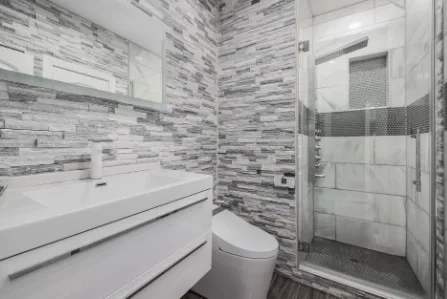
Bathrooms rarely become inconvenient overnight. Small frustrations accumulate: a tub nobody uses, a shower that feels cramped, surfaces that take too long to clean, inadequate storage, or fixtures that no longer suit the household.
That makes a useful remodel less about copying a showroom and more about identifying what repeatedly gets in the way. When homeowners begin with those everyday problems, choices about showers, tubs, storage, materials, lighting, and accessibility have a clear purpose. The finished room can look better, but more importantly, it can work better.
Start With the Problem the Remodel Needs to Solve
Before choosing finishes, write down what makes the current bathroom inconvenient. Perhaps stepping over the tub wall has become uncomfortable. Maybe the shower is too small, the surround is difficult to maintain, or the layout no longer suits the people using it.
Those observations help determine whether the project calls for a tub replacement, shower replacement, tub-to-shower conversion, walk-in bathing option, or broader renovation. Once the scope becomes clearer, professional guidance can help turn those priorities into a workable plan. At that stage, you might look up a bathroom remodeling company near me and evaluate contractors based on experience with the specific improvements you need rather than choosing from photographs alone.
Ask how measurements are taken, what installation involves, which products are available, and what warranties apply. The proposed work should address the original problem, not simply give the room a newer appearance.
Decide Whether the Bathtub Still Deserves Its Footprint
A bathtub occupies considerable space, so its usefulness deserves an honest assessment. In some households, it is essential for bathing children, relaxing, or accommodating personal preferences. In others, it becomes a large fixture that is rarely used.
If the tub has become an obstacle rather than an asset, a conversion to a shower may create more usable bathing space and easier entry. But removing it should still be a deliberate decision.
Think about who uses the bathroom now and how household needs could change. The goal is not to follow a rule about whether homes “should” have tubs. It is to make the available space support actual routines.
Make the Shower Easier to Use
A beautiful shower can still be poorly designed. Door clearance, threshold height, control placement, shelving, and standing room all influence whether it feels comfortable every day.
Imagine using the shower before finalizing the design. Can you reach the controls without stepping directly under cold water? Is there enough room to move? Where will shampoo and soap go? Will the door interfere with another fixture?
Accessibility can be incorporated without making the bathroom feel institutional. A lower entry, strategically positioned grab bars, seating, and slip-conscious surfaces can improve convenience now while making the room more adaptable later.
These details are easiest to address during remodeling rather than after everything has been installed.
Choose Materials for Tuesday Morning, Not the Showroom
Bathroom materials look their best when they are new, dry, and professionally displayed. Daily life introduces soap residue, water spots, humidity, cosmetics, toothpaste, and cleaning products.
Consider maintenance before committing to a surface. Numerous grout lines and intricate details may require more cleaning than larger, simpler surfaces. Certain finishes reveal fingerprints or water marks quickly, while others are more forgiving.
Durability matters as much as appearance. Materials around showers and tubs must tolerate repeated exposure to moisture and routine cleaning.
This does not mean sacrificing personality. Color, pattern, texture, and distinctive fixtures can still give the room character. The objective is to know what maintaining those choices will involve before they become permanent.
Put Storage Where People Actually Need It
Storage is most useful when it follows the routine. A large cabinet does little to improve convenience if the items inside are needed on the opposite side of the bathroom.
Think in zones. Shower products belong within comfortable reach of the shower. Towels should be accessible where people dry off. Everyday grooming products need convenient storage near the sink, while extra toiletries can occupy less accessible cabinets.
Built-in niches, shelves, drawers, and medicine cabinets can help reduce countertop clutter when planned around what will actually be stored.
Before choosing cabinetry, inventory the bathroom. Knowing whether you need space for towels, hair tools, cosmetics, medications, cleaning products, or bulk supplies can prevent creating storage that looks generous but functions poorly.
Give Lighting More Than One Job
Bathroom lighting has to handle very different tasks. The light needed for showering is not necessarily the best light for shaving, applying makeup, or getting ready early in the morning.
Instead of relying entirely on a central ceiling fixture, consider layers. General lighting can illuminate the room, while task lighting around the mirror can reduce shadows on the face. Appropriate lighting near the bathing area can improve visibility where permitted by electrical requirements.
Brightness matters, but so does placement. A powerful fixture in the wrong position can still produce unhelpful shadows or glare.
Because bathrooms combine electricity and water, new fixtures and wiring should comply with applicable electrical codes and safety requirements.
Deal With Moisture Before Hiding It
New finishes should never become camouflage for an existing moisture problem. Persistent stains, soft materials, peeling paint, unexplained odors, or recurring dampness deserve investigation before remodeling proceeds.
Some problems may result from inadequate ventilation, while others can indicate plumbing leaks, deteriorated seals, or water intrusion. Correcting the source protects the new work from inheriting the same damage.
Ventilation also deserves attention. Showers release substantial moisture into a relatively small room, and an appropriately sized and properly vented exhaust fan can help remove humid air.
A remodel provides a valuable opportunity to examine conditions that were previously hidden behind fixtures or finishes. Addressing them now is far better than discovering them after the new bathroom is complete.
Plan for the Bathroom You Will Need Later
A remodel may last far longer than the trends that inspired it. Designing around future usability can therefore be more valuable than choosing whichever feature currently dominates renovation photographs.
Households change. Children grow, relatives visit, injuries happen, and mobility may become different with age. Wider shower access, comfortable entry, sensible control placement, stable surfaces, useful seating, and reinforcement for future grab bars can make adaptation easier.
Finish the project with a practical walkthrough. Open every drawer and door. Stand at the sink. Reach for the shower controls. Check drainage, shelving, lighting, ventilation, seals, and transitions between surfaces. Ask how materials should be cleaned and what maintenance is required to preserve warranties.
The strongest bathroom remodels do not force homeowners to notice the design every morning. They quietly remove the annoyances that used to interrupt the routine.
Instead of beginning with the question, “What should a new bathroom look like?” start with a better one: “What makes this bathroom harder to use than it needs to be?” Answer that carefully, and the remodel has a much better chance of remaining useful long after its newest finishes stop feeling new.