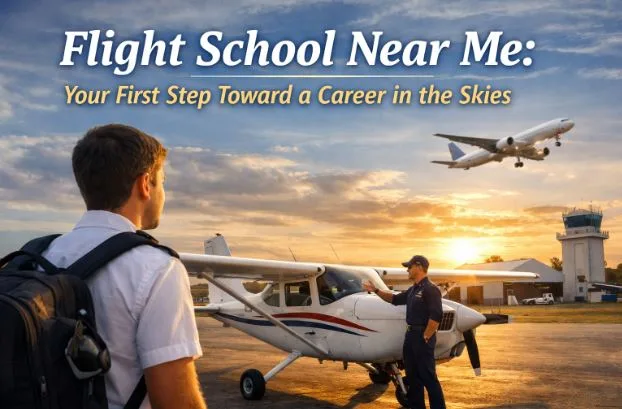
Flight School Near Me: Your First Step Toward a Career in the Skies
For many aspiring aviators, the journey begins with a simple online search: flight school near me. It may seem like just another query typed into a search engine, but for thousands of students each year, it represents the first real step toward a life in aviation. Behind that search lies ambition, curiosity, and the dream of commanding an aircraft above the clouds.
Choosing the right training academy is not just about location. It is about quality instruction, safety standards, career pathways, and long term growth. If you are serious about becoming a pilot, your decision today will shape your future in the cockpit.
Why Finding the Right Flight School Matters
Aviation is a highly regulated and skill driven industry. The foundation you build during training determines how confidently and competently you perform later in your career.
A strong flight school provides:
- Experienced and certified instructors
- Well maintained aircraft
- Structured ground school education
- Clear licensing pathways
- Strong safety culture
- Career guidance and networking opportunities
When students search for a flight school near me, they often focus on distance first. While proximity is important, quality should always come before convenience. A school that invests in modern aircraft, updated simulators, and experienced mentors can make a significant difference in your learning experience.
Understanding the Different Types of Flight Schools
Before enrolling, it is essential to understand the two main types of pilot training programs in the United States and many other countries.
Part 61 Programs
These programs offer flexible training schedules. They are ideal for students who need to balance work, education, or other commitments. The pace can vary depending on your availability.
Part 141 Programs
These follow a structured curriculum approved by aviation authorities. They are often associated with aviation colleges and universities and may require fewer flight hours for certain licenses.
When evaluating a flight school near me, ask which program they operate under and whether it aligns with your learning style and career goals.
What to Look for in a Local Flight School
Finding the right training center requires more than browsing a website. A personal visit can provide clarity that no brochure can offer.
Here are key factors to consider:
Instructor Experience
Flight instructors play a central role in shaping your skills and confidence. Ask about their qualifications, total flight hours, and teaching experience. An instructor who is patient and communicates clearly can dramatically improve your progress.
Fleet Condition and Variety
Inspect the aircraft. Are they clean, modern, and properly maintained? A well managed fleet reflects a school’s commitment to safety and professionalism.
Student Success Rate
Ask about graduation rates and how many students successfully earn their licenses. A reputable academy will be transparent about its outcomes.
Safety Record
Safety should never be compromised. Research accident history and verify the school’s adherence to aviation regulations.
Career Pathways
If your goal is to become a commercial airline pilot, ask whether the school has partnerships with regional airlines or aviation companies.
The Cost of Flight Training
One of the most common questions students ask after searching flight school near me is about cost. Pilot training is an investment, and understanding the financial commitment is essential.
Training expenses typically include:
- Aircraft rental fees
- Instructor fees
- Ground school tuition
- Study materials
- Examination fees
- Medical certification
The total cost to earn a private pilot license can range from $10,000 to $20,000 depending on location and pace of training. Commercial pilot training may require a larger investment.
However, many schools offer financing options, scholarships, and payment plans. When comparing options, do not choose solely based on the lowest price. Value, safety, and training quality should guide your decision.
The Training Journey: From Student to Pilot
The process of becoming a licensed pilot follows a clear progression.
Step 1: Discovery Flight
Most schools offer an introductory flight where you sit in the cockpit with a certified instructor. This experience helps you confirm your passion for flying.
Step 2: Private Pilot License
This is your first official certification. You will learn basic flight maneuvers, navigation, communication, and emergency procedures.
Step 3: Instrument Rating
This qualification allows you to fly in various weather conditions using instruments.
Step 4: Commercial Pilot License
At this stage, you can legally earn income as a pilot.
Step 5: Additional Ratings
Many pilots pursue multi engine ratings or certified flight instructor certification to build hours.
Every stage requires discipline, focus, and consistent practice. The right flight school provides structured guidance throughout each phase.
How Location Impacts Your Training
Weather conditions, airport traffic, and airspace complexity can affect your learning experience. A busy airport exposes students to real world communication scenarios. A quieter airport may allow for more relaxed training sessions.
When evaluating a flight school near me, consider:
- Local weather patterns
- Air traffic density
- Runway availability
- Access to controlled airspace
Training in diverse conditions can strengthen your adaptability and confidence.
Technology and Modern Aviation Training
Today’s aviation industry is rapidly evolving. Modern flight schools integrate advanced simulators and digital tools to enhance learning.
Simulators allow students to practice:
- Emergency procedures
- Instrument navigation
- Weather related challenges
- Complex flight scenarios
Digital scheduling systems, online ground classes, and interactive training modules improve efficiency and flexibility. A forward thinking academy prepares students for the technology driven cockpit of the future.
Career Opportunities After Flight School
Becoming a pilot opens doors to various career paths. While airlines are the most visible option, they are not the only one.
Graduates may pursue:
- Regional airline pilot positions
- Corporate aviation
- Cargo operations
- Charter services
- Flight instruction
- Agricultural aviation
- Aerial photography
The aviation industry continues to experience demand for skilled pilots worldwide. With dedication and proper training, your career can reach international horizons.
Questions to Ask Before Enrolling
Before committing to a program, prepare a list of important questions:
- How long does it typically take to complete training?
- What is the average total cost?
- Are there hidden fees?
- How many aircraft are available for students?
- What is the instructor to student ratio?
- Is housing available for out of town students?
Clear answers indicate transparency and professionalism. A reputable institution welcomes informed students.
Building Confidence in the Cockpit
Flight training is as much about mental strength as it is about technical skill. Students often face moments of self doubt, especially during challenging maneuvers or examinations.
A supportive learning environment encourages growth. Constructive feedback, consistent practice, and mentorship play crucial roles in building confidence.
When you search for a flight school near me, remember that you are not just selecting a facility. You are choosing mentors who will guide your transformation from student to skilled aviator.
Taking the Leap Toward the Skies
Every professional pilot once stood where you are now, wondering if the dream was achievable. It begins with curiosity, followed by research, and then decisive action.
The path to aviation requires commitment, investment, and resilience. Yet the rewards are extraordinary. Few careers offer the combination of technical challenge, global travel, and personal achievement that aviation provides.
If you are ready to turn ambition into action, start by visiting local academies, meeting instructors, and experiencing a discovery flight. The moment you take control of the yoke for the first time, the dream becomes tangible.
Your journey into aviation does not begin in the sky. It begins on the ground with a simple search, thoughtful planning, and the courage to pursue something extraordinary. The cockpit is waiting.