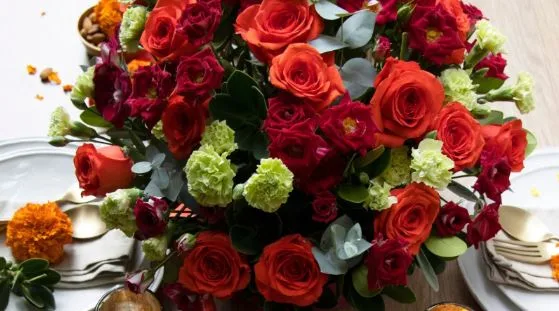
Flowers for Weddings: Choosing the Perfect Blooms for Your Big Day
Introduction
Flowers for weddings are more than simple decorations. They help set the mood, show your personality, and turn your big day into a beautiful memory. From the bridal bouquet to the centerpieces on each table, flowers speak without words. They can make a wedding feel romantic, elegant, joyful, or even playful. Choosing the right flowers may feel confusing at first, but with the right guidance, it becomes an exciting part of wedding planning. This article will help you understand how to choose the perfect blooms for your wedding day in a simple and stress-free way.
Why Flowers Matter at Weddings
Flowers have always been a key part of weddings across cultures. They stand for love, growth, and new beginnings. When guests walk into your venue, flowers are often the first thing they notice. They help tie everything together, including your dress, colors, and theme.
Flowers for weddings also add life and softness to the space. A plain hall can look magical with the right floral touches. Whether you choose fresh blooms, dried flowers, or a mix of both, flowers help create a warm and welcoming feeling that photos will capture forever.
Understanding Your Wedding Style
Before choosing any flowers, it is important to understand your wedding style. Ask yourself how you want your wedding to feel. Is it classic and formal, or relaxed and modern? Is it outdoors in a garden, or indoors in a ballroom?
A romantic wedding often uses soft colors like blush, cream, and light pink. A modern wedding may focus on bold colors and clean shapes. Rustic weddings usually include wildflowers, greenery, and earthy tones. Knowing your style will guide all your flower choices and make the final look feel complete and well planned.
Choosing Flowers That Match the Season
One of the smartest ways to choose flowers for weddings is to follow the season. Seasonal flowers are usually fresher, more beautiful, and easier on your budget. They also look more natural in your setting.
Spring weddings often feature tulips, daffodils, and peonies. Summer weddings are known for roses, sunflowers, and lilies. Fall weddings look lovely with dahlias, chrysanthemums, and warm-toned flowers. Winter weddings often include amaryllis, white roses, and evergreen touches. Working with seasonal blooms helps ensure your flowers look their best on your big day.
Popular Wedding Flowers and Their Meanings
Many couples like to choose flowers based on their meanings. Roses are one of the most popular choices because they represent love and romance. Peonies stand for happiness and good fortune. Lilies often symbolize purity and devotion.
Baby’s breath is a favorite for its soft and dreamy look, while orchids represent beauty and strength. Greenery like eucalyptus or ivy adds texture and a fresh feel. While meanings are not required, they can add a special personal touch to your floral choices.
The Bridal Bouquet: A Special Focus
The bridal bouquet is one of the most important floral pieces at a wedding. It is carried down the aisle, appears in many photos, and often becomes a keepsake. The bouquet should match your dress, body type, and overall wedding style.
A simple dress pairs well with a fuller bouquet, while a detailed gown may look better with a softer, smaller arrangement. Colors should complement your outfit rather than overpower it. Many brides also include a meaningful flower or a family tradition in their bouquet to make it extra special.
Flowers for the Ceremony Space
The ceremony is where your love story is shared, so flowers play a big role here. Common areas for flowers include the aisle, altar, and entrance. You do not need to overdo it. Even a few well-placed arrangements can make the space feel magical.
Aisle flowers can guide guests’ eyes toward the couple. Altar flowers frame the moment when vows are exchanged. Simple floral touches can turn a plain space into something unforgettable without taking attention away from the couple.
Reception Flowers That Wow Your Guests
At the reception, flowers help create a joyful and festive mood. Centerpieces are the main focus here. They should match the table size and not block guests from talking to each other. Some couples choose tall arrangements for drama, while others prefer low, cozy designs.
Flowers can also be used on the cake table, welcome signs, and even chairs. Using the same flowers from the ceremony at the reception can save money and keep the look consistent. Thoughtful placement makes a big difference in how guests experience the space.
Balancing Beauty and Budget
Flowers for weddings can be adjusted to fit almost any budget. The key is knowing where to focus. Decide which floral areas matter most to you. For some couples, it is the bouquet. For others, it is the reception tables.
Using more greenery, choosing local flowers, and keeping designs simple can lower costs while still looking elegant. A skilled florist can help you make smart choices that give you the best value without losing beauty.
Working With a Florist You Trust
A good florist is a valuable partner in wedding planning. Share your ideas, colors, and budget clearly. Photos, fabric samples, and mood boards can help explain your vision. Trust their experience, as they know which flowers work best together and how to handle weather or venue challenges.
Clear communication ensures your flowers arrive fresh, on time, and exactly as planned. When you trust your florist, you can relax and enjoy your day knowing the details are in good hands.
Conclusion
Flowers for weddings are a powerful way to express love, style, and emotion on your big day. They bring beauty to every moment, from walking down the aisle to celebrating with friends and family. By understanding your style, choosing seasonal blooms, and planning with care, you can select flowers that truly reflect your story. With the right choices, your wedding flowers will not only look stunning but will also create memories that last a lifetime.