From Barcodes to Smart Tags: How Everyday Tracking Is Evolving
In our daily lives, we often take for granted how things are tracked. From groceries at the supermarket to packages delivered to our door, there’s a quiet system keeping everything organized behind the scenes.
The Evolution of Tracking
Not long ago, physical items were tracked entirely by hand. Paper logs, sign-out sheets, and simple numbering systems dominated every warehouse and office. This method worked for small-scale operations but quickly became unreliable as businesses grew.
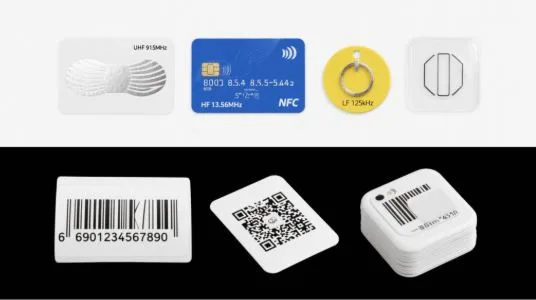
Then came barcodes, which allowed a scanner to read an item’s identity in seconds. It was faster, more accurate, and reduced human errors. Soon after, QR codes became popular, adding flexibility and allowing digital information to travel with items.
Enter Smart Tags
The next step in this evolution is the use of smart tags — small devices that can carry more information and sometimes even communicate wirelessly. These tags can track location, usage history, or status without requiring constant manual input.
Technologies such as barcodes, QR codes, and RFID are all part of this ecosystem. Each has its advantages, but the key is choosing a solution that fits the workflow rather than trying to adapt the workflow to the technology.
Organizations looking to understand how to integrate these solutions effectively often turn to specialists like XIUCHENG RFID, who help map the right technology to real operational needs.
Why It Matters Beyond Industry
Even outside large operations, these principles matter. Libraries use them to track books, schools manage equipment, and even individuals can benefit from knowing exactly where their assets are.
Smart tracking doesn’t just prevent loss; it provides insights into usage patterns, resource allocation, and efficiency improvements. It transforms everyday tasks from reactive to proactive management.
Looking Forward
As technology continues to advance, the way we manage physical items will only become more intelligent. From simple barcodes to smart tags and wireless systems, tracking is evolving to be more seamless, automated, and insightful.
For any organization — big or small — understanding this evolution and applying the right solution can save time, reduce errors, and ultimately make operations smoother.