From Guesswork to Insight: The Litter Box Camera Shift
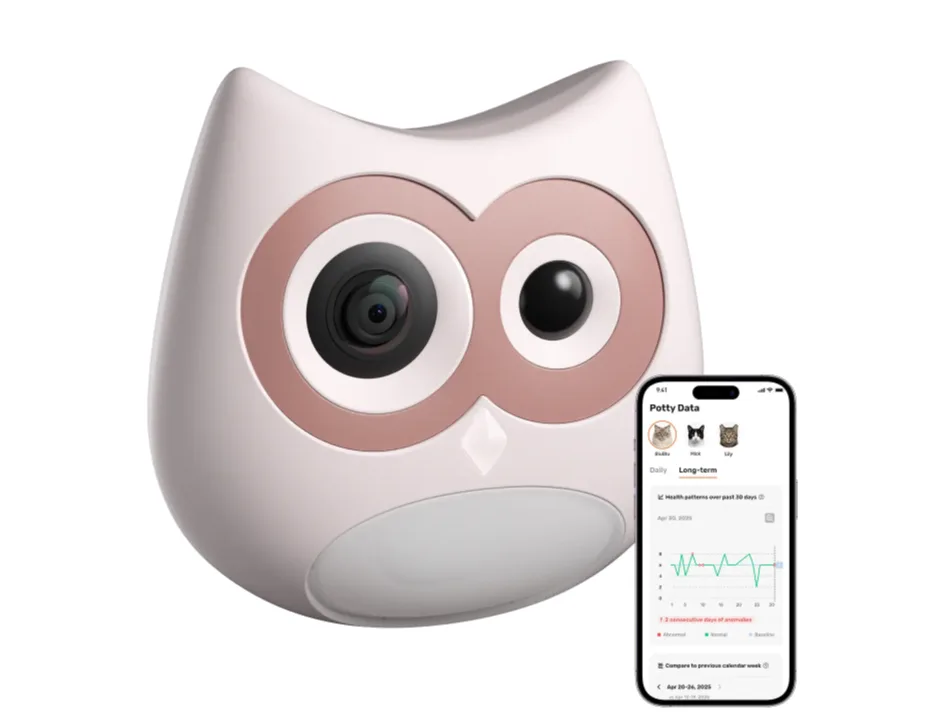
For years, cat owners have relied on a strange mix of intuition, scoop-time observation, and quiet worry to understand what happens inside the litter box. On one side sits the old routine: notice a clump looks off, wonder how long it has been there, and hope nothing is wrong. On the other side, a new approach is quietly reshaping how attentive owners think about feline care. It replaces guessing with watching, assumption with evidence, and after-the-fact concern with early awareness. The contrast is sharper than it first appears, and it reveals just how much daily information about a cat’s health has been slipping through the cracks. Understanding that gap is the first step toward closing it.
The Old Way of Watching a Cat
Traditional litter box monitoring is really not monitoring at all. It is a snapshot taken hours after the fact. You scoop, you glance, you draw conclusions from a clump that might be from this morning or from last night. If a cat visits the box more often than usual, you rarely notice because you were not in the room. If one cat suddenly stops going, that absence is invisible until days pass and the litter looks strangely clean. This method has been the default for decades, not because it works well, but because there was nothing better.
The trouble with this approach is that cats are famously stoic. They hide illness by instinct, a survival trait carried over from their wild ancestors. By the time a person notices something visible, whether it is weight loss, changes in appetite, or lethargy, an underlying issue may have been developing quietly for weeks. Bathroom behavior is one of the earliest indicators of many feline conditions, from urinary tract issues to kidney concerns to gastrointestinal upset. When the only view you have is a scoop taken twelve hours later, you are always reading the past rather than the present.
The New Way of Seeing What Actually Happens
A modern litter box camera flips this arrangement entirely. Instead of interpreting evidence long after the moment, you observe the moment as it unfolds. Frequency, duration, posture, and timing all become visible without you needing to sit in the room. This shift sounds small until you realize how much data you were missing. A cat that visits four times overnight instead of two is trying to tell you something. A cat that lingers in the box for extended stretches is also trying to tell you something. Without a camera, both signals disappear into the void.
The difference is not just technological. It is philosophical. Old habits assume that no news is good news. New insights recognize that no news often means no information. When you can see what is happening in real time, you stop relying on hope and start relying on observation. That is a fundamental shift in how attentive care operates in a home with cats.
Guessing Costs More Than People Realize
Consider what a missed early warning looks like in practice. A subtle change in litter box behavior might go unnoticed for a week. By day ten, you spot lethargy. By day fourteen, appetite drops. By the time a vet appointment happens, the underlying issue has progressed further than it needed to. Treatment becomes more involved, recovery takes longer, and the cat has spent extra days uncomfortable. None of this happens because owners do not care. It happens because they cannot see.
The contrast between reactive and proactive care shows up clearly here. Reactive care waits for visible symptoms and then responds. Proactive care notices the earliest deviations from normal and asks questions before a crisis forms. Neither approach guarantees a perfect outcome, but one gives you more time, more choices, and often better results. When you flip from guessing to knowing, you also flip from playing catch-up to staying ahead.
Yesterday’s Problem, Today’s Alert
Timing changes everything in feline health. A urinary blockage that goes unaddressed for even a day can become an emergency. A shift in stool consistency that is caught within hours can prompt a small dietary adjustment rather than a full medical workup later. The classic litter box routine is inherently delayed. You scoop when you scoop, and you notice what you notice. A live view compresses that delay to nearly zero.
The value is not in staring at a screen all day. It is in getting notified when something is unusual, and in being able to check back through history when a pattern feels off. That combination of alerts and reviewable footage turns the litter box into a source of real, timestamped information rather than a mystery zone that resets every time you scoop.
Multi-Cat Households: Chaos vs. Clarity
Anyone with two or more cats knows the frustration of shared litter boxes. Something is wrong, but who did it? Which cat is going more often? Which one has not visited today? Traditional monitoring cannot answer these questions. You are left guessing, comparing weights, watching them eat, and hoping to catch someone in the act. In a home with three or four cats, that guessing becomes nearly impossible.
A camera resolves this ambiguity by simply showing you. When each visit is captured and identifiable, patterns emerge for individual cats rather than for the household as a whole. Instead of noticing that the litter volume looks lower this week, you can see that one specific cat has changed behavior. That is the difference between a vague worry and an actionable observation, and it saves both time and stress for owners managing multiple pets.
Day vs. Night: Consistent Visibility
Cats do a lot of their business at hours when humans are asleep. Overnight bathroom trips are often the first place unusual behavior shows up, especially in older cats or those with early-stage conditions. If your only method of monitoring depends on when you happen to be near the box, you are missing a significant slice of the picture. Night vision solves this quietly and completely.
The contrast here is straightforward. Old routine: you assume nights are like days. New insight: you actually know what nights look like. That knowledge matters, because a cat that seems fine during the day but visits the box repeatedly at three in the morning is telling you something you would otherwise never learn. Consistent visibility across all twenty-four hours removes the blind spots that used to be considered normal.
Routine Guessing vs. Data-Backed Care
There is a real difference between caring about a cat and knowing what is happening with a cat. Owners have always had the first part. The second has been much harder to come by. When routine care is guided by data, decisions become less emotional and more grounded. You are not wondering whether to call the vet based on a vague sense that something is off. You are calling the vet with a clear description of what changed and when. That kind of specificity helps veterinarians too, since they no longer have to piece together a story from limited clues.
Brands like SiiPet have leaned into this shift by building tools that turn everyday litter box moments into meaningful health signals. The point is not to add another gadget to the home. The point is to close the information gap that has quietly existed for as long as people have kept cats indoors. That gap has real consequences, and shrinking it changes the daily experience of pet ownership.
Reactive Care vs. Proactive Awareness
The final contrast worth drawing is between reacting and preparing. Reactive owners respond to symptoms once they become impossible to ignore. Proactive owners are aware of patterns and shifts long before the situation reaches that stage. Neither approach is a moral judgment. Most owners are reactive by default because that is what tools have allowed. Once better tools exist, the natural next step is to move toward earlier awareness.
This shift is not about anxiety or over-monitoring. It is about replacing anxious guessing with quiet confidence. Knowing what a normal day looks like for your cat means abnormal days become obvious quickly. You do not have to worry about missing something, because you are not relying on chance to catch it. That mental relief is one of the underrated benefits of moving from the old way to the new way.
Closing the Gap Between Wondering and Knowing
The distance between guessing and knowing might seem small on any given day, but over the life of a cat it adds up to a very different kind of care. Old habits worked because there was nothing else. New tools make it possible to catch subtle shifts, understand each cat individually, and act with clarity rather than concern. Owners who make this transition rarely go back, because once you have seen what was previously invisible, ignoring that view feels like a step backward. The contrast is real, and the payoff is a calmer, more informed way of sharing a home with cats.