From Kitchen to Shelf: The Complete Guide to Scaling a Homemade Drink Recipe for Commercial Manufacturing
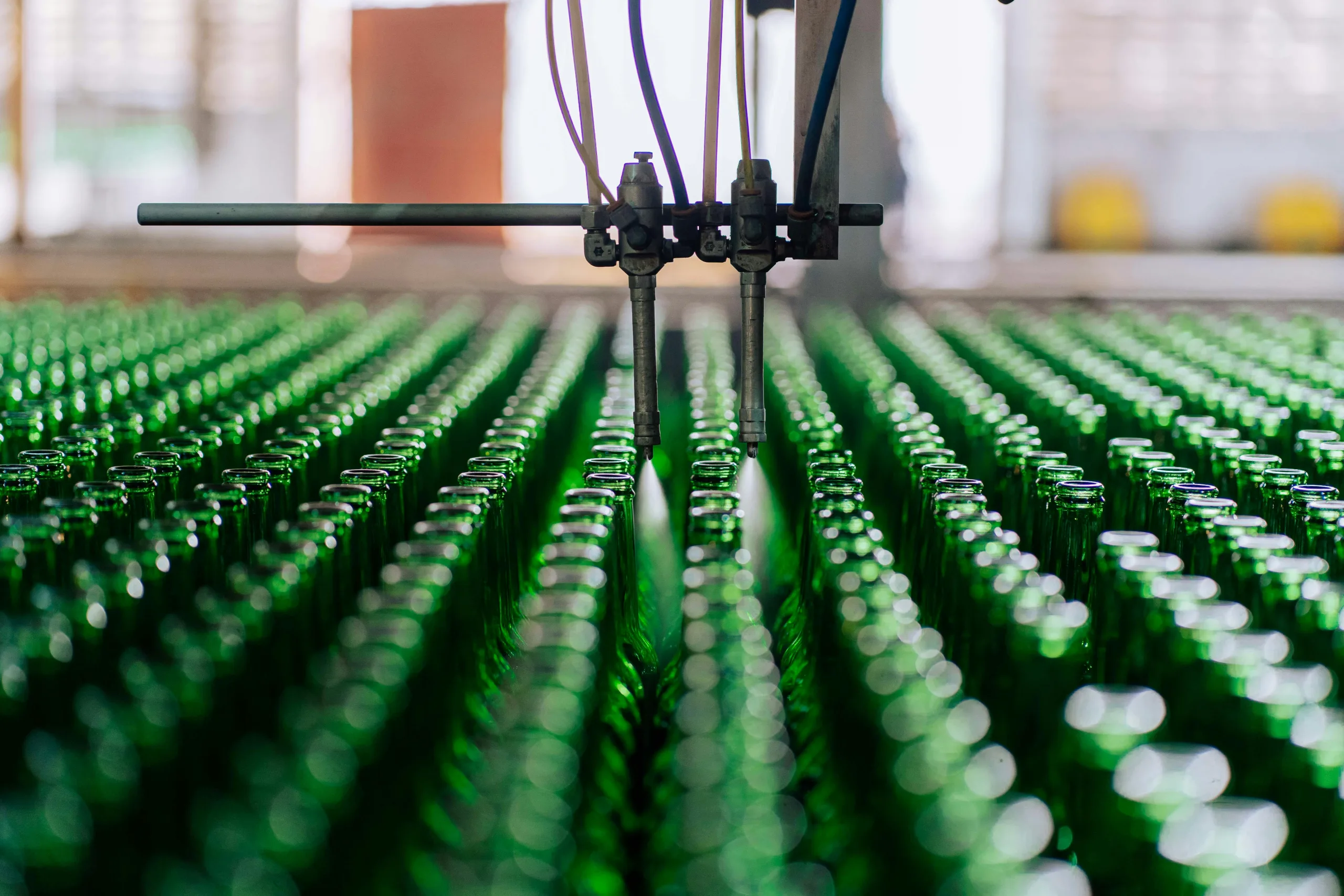
There is a moment every home brewer faces. You stand in your kitchen at midnight. You stir a batch of something that tastes amazing. Then you think, “Could I sell this?” Your friends beg for bottles. Maybe you named the flavor in your head. That spark is real. It is worth chasing.
But here is the truth. Making a great drink at home and making one at scale are two other beasts. The good news? The leap is not impossible. It just takes a new headspace, a little calm, and the right plan.
That is why we put together this guide to drink recipe manufacturing. Whether you dream of local cafe sales or national retail, the core stays the same. You start with what you know. Then you build plans around it.
So Where Do You Actually Begin?
Most people think step one is finding a plant. Honestly, that comes later. The real start happens in your own kitchen. But now you need a pad. Write it all down. How many grams of ginger? What temp did you steep that tea? How long was the chill time?
At home, you can wing it. In making drinks at scale, winging it costs money. Write down your exact sums. Note your step order. Track your timing. This becomes your “gold standard” recipe. Every future version gets checked back to it.
Here is the thing, though. Your home recipe uses items that act differently in bulk. Fresh-squeezed citrus might be your mark. But store-safe making often needs fixed juice or acid tweaks for safety. Honey pours nice from your pantry jar. It might harden in a big tank. You do not have to drop your dream. You just turn it into speech that factory gear understands.
Scaling Without Losing What Makes It Special
This is where a lot of creators panic. They worry that big-batch making will kill their drink’s soul. And sure, if you are not careful, it can. But plenty of loved brands started in a kitchen and kept their heart intact. The trick is knowing what matters most and what you can bend.
Take flavor, for example. That bright, zesty kick in your kitchen sample might come from oils that fade during heat care. So you work with a food expert to recreate that feeling. You might use safe flavors or adjusted sourness. It is not cheating. It is change. Think of it like translating a poem. The words change. The feeling stays.
You also have to think about water. Sounds dull, right? But water makeup shifts a lot at scale. Minerals, pH, and care methods all affect taste and shelf life. Most partners filter and adjust their water. But you should still taste-test your recipe using their source. Small detail. Huge impact.
The Rules and Paperwork (It Is Less Scary Than It Sounds)
Nobody starts a drink brand because they love paperwork. Sadly, legal rules are the bridge between your garage and the grocery store. In the United States, that usually means FDA sign-up, proper labeling, and often a process review. If your drink is acidic, low-acid, alcoholic, or fermented, the rules shift. You will need process approval, nutrition labels, and allergy warnings.
Honestly, this part scares most founders. But you do not have to become a lawyer overnight. Many partners do filings as part of their service. You can also hire a food safety expert for a few hours. The key is not knowing every rule yourself. It is knowing that rules exist and budgeting for them early. Nothing kills momentum like finding out you need a six-month lab study two weeks before launch.
Finding a Production Partner Who Gets It
Once your recipe is stable and your paperwork is mapped, you start talking to partners. This is a lot like dating. You want someone who gets your dream. They need the right gear. They need to talk clearly. Some plants specialize in hot-fill drinks. Others focus on cold-pressed or fizzy products. Ask about their least orders, lead times, and trial runs.
A trial run is your best friend. It is a small batch using their gear and your recipe. You will learn things no spreadsheet can predict. Maybe the fill level looks off. Maybe the cap feels wrong. Maybe the color shifts under their lights. These are fixable problems. But only if you catch them before you pledge to ten thousand units.
Also, visit the plant if you can. Photos help. But walking the floor tells you if they take cleaning seriously. Look at how they store raw goods. Watch how staff handle open product. Trust your gut. If something feels off, keep looking.
Packaging, Pricing, and the Shelf Reality
Your drink could taste like liquid gold. But if the bottle feels cheap or the label muddles buyers, you are in trouble. Packaging is part of the product. It is not just a box. Glass feels fancy but costs more and breaks easily. PET is light and shippable but may not fit eco-friendly branding. Cans are hip and green, but they need other filling lines and have design limits.
Pricing is another gut-check moment. Your kitchen cost per bottle might be two dollars. Making drinks at scale could drop that to sixty cents at volume. But then you add packaging, shipping, store margins, and ads. Suddenly you need a retail price of four or five dollars just to profit. Run those numbers early. Love the math before you love the launch party.
You Are Closer Than You Think
Turning a homemade drink into a shelf-ready product is a journey of many small choices. Some are creative. Some are technical. Some are plain dull. But every one moves you closer to that moment when a stranger pulls your bottle from a cooler and takes a sip.
That midnight kitchen dream? It is not silly. It is the seed of something real. Water it with research. Surround it with the right people. Give it time to grow. The shelf is waiting.