From Wall to Table: Creative Ways Restaurants Are Displaying Menus
Restaurants in the dining industry need to adapt to ongoing changes because they must create their most positive first impression. The design elements and atmospheric presentation which guests encounter when entering a restaurant or café establish the standard which will determine their overall experience. Restaurants achieve their greatest impact through their menu presentation methods which most customers fail to recognize. The way a menu is presented through written content affects how guests perceive the menu and their level of interaction with it and their complete dining experience. The industry has experienced a transformation through creative dining option presentation methods which started with traditional printed menus and evolved into innovative display methods.
The Evolution of Menu Presentation
Restaurants throughout history used printed paper menus together with chalkboards which they placed behind their counter area. The existing methods operated functionally but they failed to develop experiences which would capture audience interest. Restaurateurs now present their food in new ways because customers want to experience dining and take photos of their meals at restaurants. People in the present day want to experience dining through visual displays and interactive dining methods and creative restaurant concepts.
Restaurants now use their menus as an essential element which forms part of their branding strategy. Restaurants use their lighting and décor and table settings to share their identity with customers while menu displays function as essential storytelling elements. Restaurants employ menus as functional documents which also serve as creative displays that merge digital displays with traditional hand-drawn chalkboard artwork.
Wall-Mounted Menu Boards
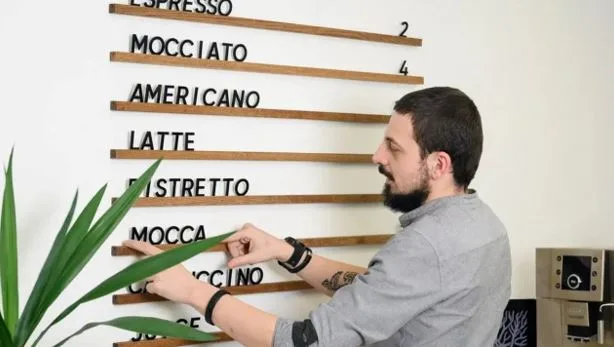
Restaurants now use wall-mounted menu boards as their most well-liked innovation for displaying menus. These boards serve multiple purposes because they create visual appeal while providing simple update options to display seasonal promotions and special offers. Restaurants can select their preferred materials from wood and metal to acrylic and glass which enable them to choose boards that match their restaurant decor.
A well-designed wall Menu Board can become a focal point in the dining space. A simple oak Menu Board with engraved or painted lettering would be appropriate for cafés with basic interior designs because it produces a warm natural atmosphere. The modern bistros achieve their contemporary look through the use of illuminated acrylic boards which display clean typography. The wall-mounted boards serve two functions because they improve both visual display and operational performance. The boards present products in an easy-to-view format which enables customers to see items before checkout thus reducing their ordering time and improving service speed.
Tabletop and Portable Menus
While wall-mounted boards are impactful, tabletop and portable menus remain essential in creating a personal touch. Restaurants now test handheld menus made from premium materials which include leather and wood and recycled materials. The physical touch of these objects shows the detailed work that went into their creation which strengthens the brand values of this establishment.
Some cafes use their tables and walls as display spaces which allow customers to interact with both areas. The wall board displays daily specials but individual menus present complete information about dishes along with their prices and recommended wine pairings. The system provides customers with two dining options which include fundamental dining choices and sophisticated culinary dining experiences.
Interactive and Digital Displays
Restaurants display their menus through modern display systems which they use as their primary menu presentation method. Restaurants in the present day operate with Digital Menu Boards and tablets and touchscreens which serve as their main display systems throughout their fast-casual chain locations. The digital tools present users with active content which includes pictures and moving graphics and displayable promotional items. Restaurants can use these tools to handle supply changes and seasonal menu updates by implementing cost-efficient methods which replace their current manual reprinting system.
The process of adding digital displays needs designers to create their designs with precision. Restaurant guests experience visual overload because screens display excessive bright or disorganized elements which results in a negative dining experience. Restaurants achieve their best results through designs which unite functional elements with attractive features that optimize operations while creating an attractive visual environment.
Menu Boards as Brand Storytellers
Menu Boards function as storytelling tools which present more than basic food listings and their prices. Restaurants now display their philosophy and sourcing practices and culinary inspiration through boards which they use for display. A café which uses local ingredients for its menu should display artwork that shows information about the farmers who supply their products. A bistro which focuses on sustainability should display its environmentally friendly operations together with its regular menu items.
The method creates a deeper emotional bond which exists between restaurant customers and the dining establishment. Guests feel part of a story, not just a transaction. The dining experience becomes more authentic when boards of any type including wall boards and tabletop boards and digital boards are properly designed.
Seasonal and Rotating Displays
Flexibility is key in menu presentation. Restaurants change their menu selection according to seasonal patterns and they also base their choices on special occasions and the availability of their ingredients. The Menu Boards system enables fast changes through its user-friendly interface which maintains an attractive design layout. The menu display uses wooden or acrylic boards which allow staff to change panels or use magnetic letters for making daily menu changes.
Seasonal displays also provide opportunities for creativity. Restaurants should add decorative elements which match the board through their use of seasonal greenery during spring and autumnal warm accents and holiday-themed decorations. The presentation of different menu choices creates two separate effects which show both the wide range of available options and the customer desire to come back again.
Conclusion
The evolution of menus from simple wall lists to complete guest experience tools which now serve as interactive elements has been demonstrated through this wall-to-table journey. Restaurant menu boards that display creative content serve as more than information displays because they create inspiration while showing restaurant values and improve dining environments. Restaurants and cafes in the present day need to allocate their resources toward developing purposeful menu displays because these displays help them build their brand image and create better dining environments and provide improved customer service.