From Web 3.0 to Intelligent Web: How Next-Gen Internet Technologies Will Change Digital Marketing
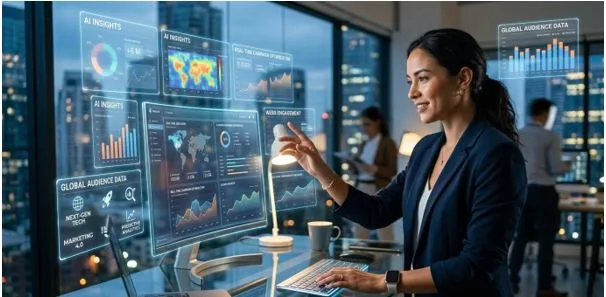
The internet is entering a new phase of evolution. After the rise of static web pages (Web 1.0) and interactive, user-driven platforms (Web 2.0), the conversation has recently shifted toward Web 3.0—often associated with decentralization, blockchain, and user ownership of data. However, a more transformative shift is already underway, one that goes beyond decentralization: the emergence of the Intelligent Web.
Powered by artificial intelligence, machine learning, and next-generation computing, the Intelligent Web is redefining how users interact with digital platforms—and how businesses approach digital marketing.
Understanding the Shift: Web 3.0 vs Intelligent Web
Web 3.0 has been widely discussed as a decentralized version of the internet where users have greater control over their data. While this vision is important, its adoption has been slower than expected due to technical complexity and limited mainstream use cases.
In contrast, the Intelligent Web focuses on integrating AI directly into the fabric of the internet. Instead of simply providing access to information, the web becomes capable of understanding user intent, predicting behavior, and delivering personalized experiences in real time.
This shift is already visible in:
- AI-powered search engines
- Personalized content recommendations
- Voice and conversational interfaces
- Automated decision-making systems
For digital marketers, this means a fundamental change in how strategies are developed and executed.
The Rise of AI-Driven Marketing Ecosystems
In the Intelligent Web era, marketing is no longer about broadcasting messages to a broad audience. Instead, it is about delivering the right message to the right user at the right time—automatically.
AI-driven ecosystems can analyze vast amounts of user data, including browsing behavior, search patterns, and engagement metrics, to create highly targeted campaigns. These systems continuously learn and improve, making marketing efforts more efficient and effective.
As a result, traditional methods such as manual campaign optimization and static content strategies are becoming less relevant.
Personalization at Scale
One of the most significant impacts of next-generation internet technologies is the ability to deliver personalization at scale. In the past, personalization required manual segmentation and limited customization. Today, AI systems can dynamically adjust content, offers, and user experiences based on real-time data.
For example:
- Websites can display different content for different users
- Email campaigns can be tailored to individual preferences
- Product recommendations can adapt instantly based on behavior
This level of personalization not only improves user experience but also increases conversion rates and customer loyalty.
The Role of Automation in Digital Marketing
As the Intelligent Web continues to evolve, automation is becoming a cornerstone of digital marketing strategies. From content creation to performance analysis, automation tools are streamlining processes that once required significant manual effort.
Businesses are increasingly adopting SEO automation and marketing tools to manage complex workflows efficiently. These tools can handle tasks such as keyword analysis, technical audits, and campaign tracking, allowing marketers to focus on strategy and creativity.
For those looking to understand how automation fits into modern digital strategies, resources like PMSLTech provide practical insights into implementing these tools effectively and optimizing website performance for long-term growth.
Search Engines Are Getting Smarter
Search engines are no longer just matching keywords—they are interpreting intent. With advancements in natural language processing and machine learning, search engines can understand context, semantics, and user behavior more accurately than ever before.
This has major implications for SEO and digital marketing:
- Content must be more relevant and context-driven
- Keyword stuffing is no longer effective
- User experience and engagement metrics play a larger role
To stay competitive, marketers need to adopt strategies that align with these changes, including the use of advanced tools that support intelligent optimization.
Voice, Visual, and Conversational Search
The Intelligent Web is also driving the growth of new search modalities, such as voice and visual search. Users are increasingly interacting with devices through natural language, asking questions instead of typing keywords.
This shift requires a different approach to content creation:
- Focus on conversational language
- Optimize for long-tail queries
- Provide clear and concise answers
Similarly, visual search technologies allow users to search using images, creating new opportunities for e-commerce and content discovery.
Data-Driven Decision Making
In the era of next-generation computing, data is more valuable than ever. Marketers have access to detailed insights that can guide every aspect of their strategy, from content creation to campaign optimization.
However, the challenge lies in analyzing and interpreting this data effectively. This is where intelligent systems and automation tools become essential, helping businesses extract meaningful insights and make informed decisions.
Challenges of the Intelligent Web
While the Intelligent Web offers numerous opportunities, it also presents challenges that businesses must address:
- Data privacy and security concerns
- Over-reliance on automation
- Need for continuous learning and adaptation
Balancing innovation with ethical considerations will be crucial for sustainable growth in this new digital landscape.
Preparing for the Future
To succeed in the Intelligent Web era, businesses must be proactive in adopting new technologies and strategies. This includes:
- Investing in AI-driven tools
- Building flexible and scalable systems
- Staying updated with industry trends
It is also important to maintain a human element in marketing. While automation can enhance efficiency, creativity and emotional connection remain key factors in building strong relationships with audiences.
Conclusion
The transition from Web 3.0 to the Intelligent Web represents a significant turning point in the evolution of the internet. As next-generation computing technologies continue to advance, digital marketing will become more intelligent, automated, and personalized.
Businesses that embrace this transformation will be better equipped to navigate the complexities of the modern digital landscape and achieve sustainable growth. By leveraging AI-driven systems and staying adaptable, marketers can unlock new opportunities and stay ahead in an increasingly competitive environment.
The future of digital marketing is not just about technology—it is about using technology intelligently to create meaningful and impactful experiences.