From Winter Gear to Streetwear: Why the Balaclava Has Become a Modern Apparel Essential
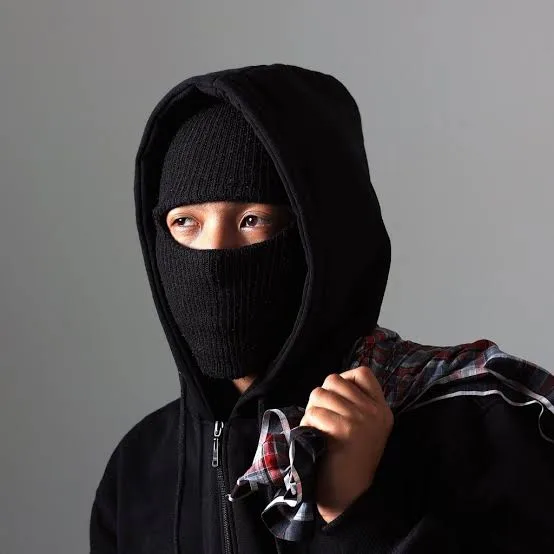
For much of its history, the balaclava was viewed primarily as practical cold-weather equipment. It protected the head, neck, and face from wind and low temperatures, making it useful for soldiers, skiers, mountaineers, motorcyclists, and people working outdoors. Today, however, its role has expanded considerably.
The modern balaclava now sits at the intersection of performance clothing, outdoor equipment, streetwear, and fashion. Different fabrics, constructions, fits, and levels of coverage have transformed what was once a relatively simple knitted garment into a diverse apparel category.
Its evolution also reflects a wider shift in clothing. Consumers increasingly expect garments to combine function, comfort, technical performance, and visual identity rather than serving only one purpose.
A Garment With Practical Origins
The balaclava has strong historical associations with the Crimean War. According to Vogue’s examination of the balaclava’s history, knitted head coverings were produced to help soldiers cope with severe cold during the conflict. The basic concept proved remarkably durable.
Covering areas normally exposed to cold air can make a significant difference in harsh winter conditions. This practical advantage helps explain why variations of the balaclava became common across skiing, snowboarding, climbing, motorcycling, military use, and other outdoor activities.
Traditional versions were commonly made from wool and heavier knitted materials. Modern textile development has greatly expanded the available options. Today, balaclavas can be produced from fleece, merino wool, polyester, stretch jersey, technical synthetic blends, and lightweight moisture-managing fabrics depending on their intended use.
From Function to Fashion
The balaclava’s modern visibility cannot be explained by weather alone.
Fashion designers, musicians, athletes, and streetwear communities have reinterpreted face-covering headwear as part of contemporary style. Vogue has documented the growing popularity of balaclavas across streetwear, rap culture, independent fashion, and major runway collections.
That crossover between technical clothing and fashion is becoming increasingly common. Items originally associated with outdoor sports, military equipment, or workwear often move into everyday wardrobes once designers reinterpret their construction and visual identity.
Balaclavas are especially suited to this crossover because relatively small changes in shape, fabric, color, texture, and facial coverage can create completely different products.
A lightweight synthetic balaclava designed to fit under a ski helmet may share the same basic name as an oversized knitted streetwear design, yet the two products can differ significantly in construction and purpose.
Design Depends on the Intended Use
As the balaclava market has expanded, product development has become increasingly specialized.
A skiing balaclava, for example, may need to fit smoothly beneath a helmet while allowing moisture generated during physical activity to escape. A fashion-oriented design may place greater emphasis on silhouette, color, knitting structure, and branding. Motorcycle applications can require thin, smooth materials that remain comfortable beneath a helmet, while winter workwear may prioritize insulation and extended neck coverage.
Face configuration also creates important differences.
Balaclavas can be designed with one-hole, two-hole, three-hole, open-face, hinged, and convertible constructions. Manufacturers may also introduce shaped panels, extended neck sections, ventilation zones, reinforced openings, and flat seams depending on the application.
For brands developing their own products, these decisions are part of custom balaclava production rather than simply choosing an existing garment and adding a logo. Fabric selection, pattern development, sizing, stitching, coverage, and the intended wearing environment all influence the finished product.
This is particularly important for brands entering technical or performance-driven markets where comfort and fit can be just as important as appearance.
Materials Are Becoming More Specialized
The material used to make a balaclava strongly influences how it performs.
Merino wool is popular in some cold-weather applications because it can provide insulation while helping manage moisture. Fleece is commonly selected where additional warmth is important, while polyester and other synthetic fibers are frequently used for lightweight or fast-drying products.
Stretch blends are valuable for close-fitting designs because they allow the garment to conform to the head while recovering its original shape after wear.
Modern manufacturers can also combine multiple materials within a single product. A design might use warmer fabric around the head and neck while incorporating lighter or more breathable material near the mouth and nose.
This makes textile selection increasingly important for a balaclava manufacturer serving outdoor, sports, fashion, streetwear, and private-label markets.
There is therefore no single fabric that is ideal for every balaclava. The most suitable material depends on climate, activity level, desired warmth, stretch requirements, helmet compatibility, moisture management, and the overall design concept.
Branding Has Expanded the Market
Balaclavas also provide an unusual canvas for brand identity.
Logos can be introduced through embroidery, woven labels, printing, patches, jacquard knitting, rubber badges, and other applications. Colors, panel placement, stitching details, patterns, and face-opening shapes can also become recognizable parts of a brand’s visual identity.
This has made the category increasingly relevant to independent clothing labels and established apparel businesses.
Instead of purchasing a generic product and placing a logo on it afterward, brands can develop balaclavas around their own specifications. Reviewing a supplier’s manufacturing portfolio can help designers understand how different materials, constructions, branding methods, and product concepts can be translated into finished garments.
This product-development approach allows brands to differentiate themselves without completely changing the basic purpose of the garment.
Streetwear Changed the Balaclava’s Image
Street culture has played a major role in changing the visual identity of the balaclava.
The relationship between music, fashion, and streetwear has repeatedly transformed functional clothing into cultural symbols. Balaclavas are one example of that process.
In its coverage of the trend, Vogue reported that balaclavas had become visible across rap culture, independent knitwear brands, street style, and runway collections from fashion houses including Marni, Loewe, Kenzo, and Simone Rocha.
The garment’s appeal also comes from its ability to change the overall appearance of an outfit. Unlike a conventional hat or scarf, a balaclava can alter the silhouette of the entire head and face, creating a much stronger visual statement.
At the same time, technical versions continue to perform the practical role for which the garment originally became known.
This combination of utility and visual impact has helped the balaclava remain relevant across very different consumer groups.
Headwear Continues to Attract Fashion Attention
The wider interest in distinctive headwear also appears to be continuing.
In March 2026, Vogue reported on the emergence of statement headwear across Paris Fashion Week, highlighting unusual headpieces and winter-oriented designs appearing in contemporary collections.
That does not mean every fashion headwear trend translates directly into balaclava demand. It does, however, demonstrate that designers continue to experiment with the head and face as important areas for styling and visual expression.
For balaclava designers, this creates opportunities to explore new yarns, colors, proportions, surface textures, graphics, and construction techniques while retaining the garment’s recognizable functional structure.
Performance Still Matters
Despite the influence of fashion, functionality remains central to a successful balaclava.
Fit determines whether the garment stays comfortably in position. Breathability affects comfort during physical activity. Seam placement can become important when a balaclava is worn beneath a helmet. Fabric thickness influences insulation, while stretch and recovery determine whether the garment maintains its shape after repeated use.
Manufacturers developing technical designs therefore need to consider the complete wearing environment rather than evaluating the garment in isolation.
A motorcyclist, skier, mountain worker, and winter commuter may all wear balaclavas, but each user can require a different balance of insulation, breathability, coverage, and material thickness.
The same principle applies to fashion.
A knitted lifestyle balaclava designed primarily as an outer accessory does not need to meet exactly the same specifications as a close-fitting performance product worn beneath protective equipment.
Understanding these differences is essential when developing a product for a specific audience.
Customization Creates More Possibilities
The relatively compact construction of a balaclava makes it suitable for extensive customization.
Brands can adjust face openings, neck length, panel structure, fabric weight, stretch percentage, color combinations, logo placement, and decorative features. Some designs may prioritize minimalism, while others use contrasting panels, embroidery, prints, or unusual knitted structures to create a much stronger visual identity.
The growing number of possible applications also means that customization should begin with intended use rather than appearance alone.
A brand developing a ski balaclava should consider helmet compatibility, moisture management, and breathability early in the design process. A streetwear label may instead focus more heavily on proportion, graphics, texture, and how the garment coordinates with the rest of a collection.
The strongest products usually combine both considerations: they look distinctive while remaining comfortable and appropriate for their intended environment.
A Small Garment With a Growing Range of Uses
Few apparel products demonstrate the crossover between utility and fashion as clearly as the balaclava.
Its fundamental purpose remains similar to the knitted coverings associated with the Crimean War: protecting exposed areas of the head and face from challenging weather. What has changed is everything surrounding that basic function.
Modern fabrics have improved comfort and performance. New construction techniques provide different levels of coverage and flexibility. Outdoor sports have created specialized technical versions, while streetwear and fashion have transformed the silhouette into a recognizable visual statement.
For apparel brands, this combination creates opportunities extending far beyond conventional winter accessories.
The balaclava is no longer simply something people wear because cold weather demands it. Depending on its construction, it can function as technical equipment, a winter essential, a motorcycle layer, a streetwear accessory, or a distinctive element within a fashion collection.
That combination of protection, performance, customization, and cultural relevance is what continues to make the balaclava one of the more adaptable accessories in modern apparel.