From Workshop to World: How Specialist Shoemakers Are Reaching Global Customers Online
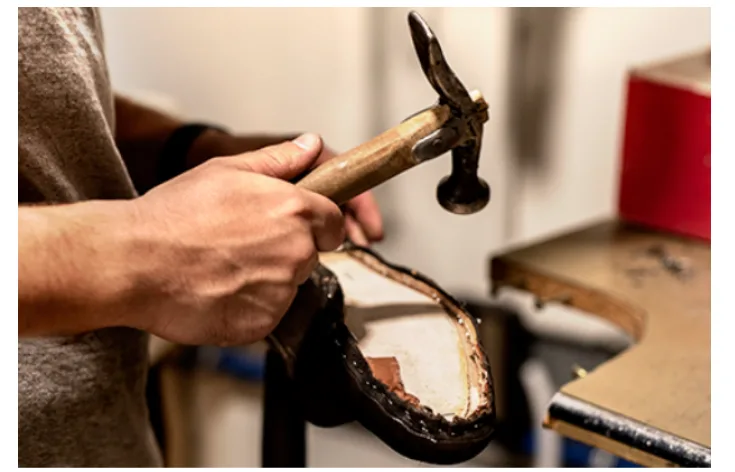
For much of the twentieth century, a small manufacturer hoping to sell shoes abroad needed an importer, a distributor and a retailer willing to stock its product. Each intermediary took a share of the margin, and each decided what customers would see on the shelf. Today, a maker can open a multilingual online store and ship directly to a buyer’s door. That shift is changing who can compete in the global footwear trade, and which products find an audience.
Niche products, global audiences
Footwear is a large and mature industry, dominated by a handful of international brands. Mass retailers, however, tend to stock what sells in volume. Needs that affect fewer people, such as unusual sizing, orthopaedic requirements or discreet height-increasing designs, are often poorly served in physical shops.
Online sales have made these niches commercially viable. A product that might sell a few pairs a month in any one city can find enough buyers across several countries to sustain a business. Estimates of the scale vary by methodology, but the e-commerce data firm ECDB forecasts that global cross-border e-commerce revenue will approach US$1.2 trillion in 2026, growing by around 7.7 per cent a year between 2023 and 2026 after a post-pandemic slowdown.
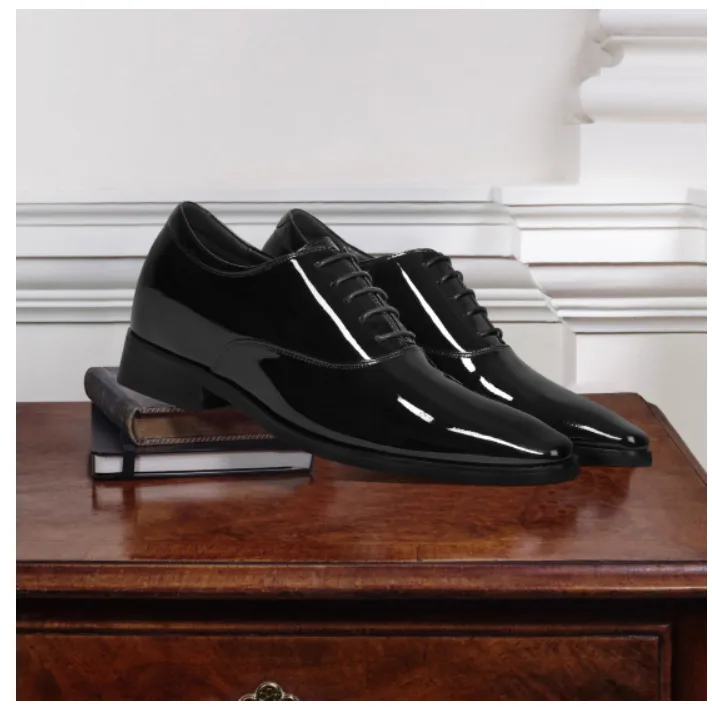
Height-increasing footwear is a good example. Instead of removable insoles, which can shift and compress, some makers build the lift into the structure of the shoe, so that a pair looks like ordinary formal footwear while adding several centimetres of height. Chamaripa, founded in 1996, makes elevator shoes with lifts ranging from 5 to 15 centimetres. Its range of men’s elevator dress shoes is typical of how specialist makers present a technical product in a conventional style: the engineering is hidden, and the design follows classic Derby and Oxford shapes.
Made to order, and made without animal products
Customisation is part of the appeal of specialist makers. On selected models, Chamaripa takes made-to-order requests, which the brand describes as handcrafted for each customer.
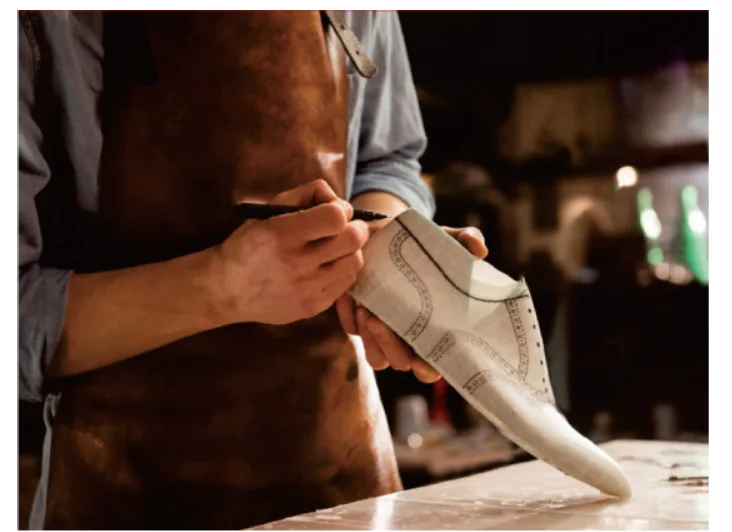
It also offers Goodyear-welted construction on selected models, in which a strip of leather, the welt, is stitched around the upper and the sole is then stitched to it, making a shoe easier to resole and repair. Patina finishing, also available on selected models, gives each pair its own depth of colour.
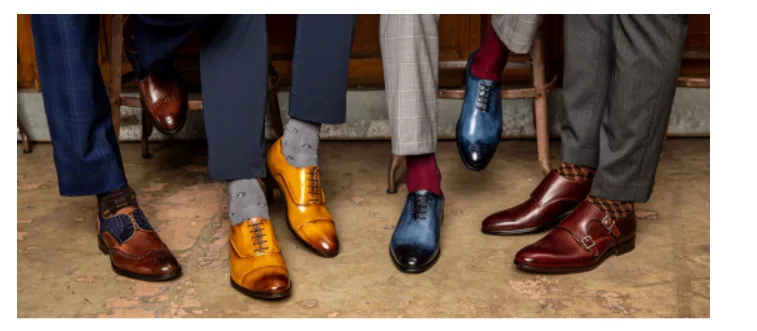
Another niche is shoppers who avoid animal products altogether. Chamaripa offers vegan leather options for these customers, a category that a conventional high-street shop may stock in only a few styles, if at all. For a small brand, the ability to reach those buyers across several countries is what makes it worth producing.
One brand, several storefronts
Selling across borders is not just a matter of shipping parcels. Customers in different countries expect prices in their own currency, information in their own language and clear terms for delivery and returns. Many specialist sellers now run separate storefronts for separate markets.
Chamaripa maintains a US storefront alongside regional versions, including Chamaripa Canada. Public customer reviews of the brand appear in several languages, among them English, Italian, Dutch, Danish and Portuguese, a sign of how far a single online seller can reach without a traditional distribution network.
This matters beyond any single brand, especially for manufacturers in developing and emerging economies. Contract manufacturing for foreign labels has long meant thin margins and little control over the final price. Selling under one’s own name, directly to consumers, offers a way to capture more of the value of the product, although it also means taking on marketing, customer service and logistics.
The friction that remains
The model is not without difficulties, and they apply to the whole sector. Sizing is a persistent one: conventions differ from country to country, so a shoe that fits well in one market may fit differently in another. Cross-border returns can also be costly, and customs procedures, duties and delivery times add uncertainty. Because buyers cannot try a product before purchase, they rely heavily on reviews and return terms to judge whether a seller can be trusted. Sellers have responded with size guides, fit advice and clearer return terms. Chamaripa, for instance, accepts returns and exchanges of unworn ready-to-wear shoes within 90 days.
Consumer protection is part of the problem. According to UNCTAD, only 38 per cent of countries have systems in place for resolving cross-border consumer disputes. Sellers that want repeat customers abroad have to meet expectations shaped by local retailers, including clear refund terms and responsive service, rather than the standards of their home market.
What it means
Cross-border online retail does not make geography irrelevant, but it lowers the barrier for specialist producers to find customers far from where they make their goods. For consumers, it widens choice, especially for products that local shops have little reason to stock. For small manufacturers, it offers a route up the value chain, provided they can manage the practical demands of selling internationally.
Whether that route becomes a broad opportunity or remains open mainly to the best-organised sellers will depend on things the technology cannot supply alone: affordable shipping, fair customs treatment, and rules that protect buyers and small sellers alike.