Future Trends in Leadership and Innovation
Key Takeaways
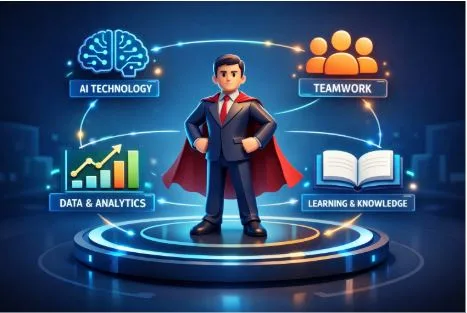
- Embracing technological advancements, particularly AI, is crucial for future leadership.
- Developing adaptive and agile leadership skills is essential in a rapidly changing environment.
- Fostering a culture of continuous learning and development will drive innovation.
Table of Contents
- Embracing Technological Advancements
- Adaptive and Agile Leadership
- Continuous Learning and Development
- Data-Informed Decision Making
- Diversity, Equity, and Inclusion
- Ethical and Transparent Leadership
- Resilience and Mental Agility
- Conclusion
As we approach 2026, leadership and innovation are undergoing unprecedented transformation. Leaders must navigate shifts in technology, evolving workforce expectations, and complex global dynamics. Embracing these changes is essential for sustained organizational success and growth. Many influential figures in the business world, such as Louis Chenevert, exemplify a forward-thinking leadership approach that integrates emerging trends and fosters innovation. These shifts are not limited to technology. Social, ethical, and cultural dimensions are now at the forefront of leadership discussions, making adaptability and resilience critical qualities for leaders.
Today’s rapidly changing environment requires organizations to align their strategic vision with the ever-accelerating pace of advancement. Leaders are challenged not only by technological disruptions but also by heightened expectations for transparency, inclusivity, and ethical practices. Those who can anticipate and adapt to innovation while maintaining a stable organizational culture will be better positioned for future challenges.
Embracing Technological Advancements
Technological innovation is accelerating at an extraordinary rate, and leaders must integrate these changes into their organizational strategies. Artificial intelligence (AI) continues to transform decision-making processes and operational efficiencies. The rise of agentic AI, intelligent digital agents that can autonomously interpret data and complete tasks, presents both tremendous opportunity and considerable risk. Governance frameworks are necessary for managing the ethical deployment and oversight of AI, as this TechRadar article explores.
Leaders who embrace AI and other emerging technologies will position their organizations to outperform the competition. The integration of AI can streamline workflows, provide valuable predictive insights, and enable more personalized customer experiences. At the same time, vigilance is required to ensure transparency, data privacy, and equitable use of these new tools. Keeping pace with digital transformation means committing to ongoing tech education for both leaders and their teams.
Adaptive and Agile Leadership
The volatility of today’s business landscape requires leaders to be agile and responsive to continual change. Adaptability is more than a desirable trait; it is now a necessity for navigating shifting markets, technological disruptions, and global events. Adaptive leaders foster cultures that prioritize experimentation, encourage creative problem-solving, and embrace ambiguity as an opportunity rather than a source of fear. According to Forbes, the leaders of 2026 will rely on real-time feedback, resilience, and open-mindedness to pilot their organizations through uncertain environments.
This commitment to agility benefits both the leader and their organization. Teams that are empowered to learn from setbacks and pivot quickly are more likely to innovate and deliver sustainable growth. By modeling adaptability, leaders inspire others to remain flexible in the face of upheaval and continuous disruption.
Continuous Learning and Development
Innovation thrives in environments where continuous learning is valued at every organizational level. As new technologies render skills obsolete more quickly, leaders must champion lifelong learning and upskilling initiatives. Investing in employee education not only fuels innovation but also increases engagement, satisfaction, and retention. A workplace that embraces ongoing learning can more readily adapt to industry changes and seize emerging opportunities. The imperative to upskill is highlighted in Pinsight’s discussion on executive development.
Continuous learning must become embedded in the core business strategy. Encouraging cross-functional collaboration, providing access to next-generation training resources, and recognizing learning as a shared value will prepare organizations for the skills demands of tomorrow.
Data-Informed Decision Making
Harnessing the power of data has become foundational to modern leadership. Analytical insights drive strategic vision and ensure informed choices at every level of an organization. By 2026, leaders must be equipped to interpret increasingly complex datasets, leverage machine learning, and use predictive analytics for real-time guidance. This heightened reliance on data enables faster responsiveness and better risk management. As outlined in the CIO’s analytics trends review, data fluency will be a non-negotiable skill for those who aspire to lead change and seize market opportunities.
Diversity, Equity, and Inclusion
Diversity, equity, and inclusion (DEI) are evolving from compliance-driven mandates to cornerstones of progressive leadership. Diverse organizations achieve superior problem-solving, drive greater innovation, and outperform their less diverse competitors. Leaders who prioritize DEI are actively shaping organizations where every voice can contribute and thrive. Companies that tackle structural inequities and cultivate inclusivity realize both social and business gains. Comprehensive DEI strategies will define the most successful leadership models of 2026, setting a new standard for employer expectations and workplace culture. This perspective is reinforced by findings in Harvard Business Review’s exploration of corporate culture.
Ethical and Transparent Leadership
As the pace of change increases and stakeholder scrutiny intensifies, ethical and transparent leadership is more vital than ever. Leaders are expected to uphold the highest standards of integrity, openly communicate intentions, and earn the trust of their teams, customers, and broader communities. These values foster not only a positive reputation but also strengthen organizational resilience during turbulent times. Ultimately, ethical leadership shapes both internal culture and external perceptions, paving the way for sustainable success.
Resilience and Mental Agility
The next generation of leaders will need exceptional resilience and mental agility to cope with the intersecting pressures of technology, sustainability, and profitability. These forces are mounting, not abating, and navigating them requires emotional intelligence, flexibility, and strong stress management skills. Leaders who cultivate resilience in themselves and their organizations are better positioned to steer through uncertainty and emerge stronger from adversity.
Conclusion
The landscape of leadership and innovation through 2026 is dynamic, shaped by the interplay of technological advancement, organizational culture, and social expectation. Leaders who embrace AI, foster agile and inclusive workplaces, invest in continuous learning, and practice ethical transparency will be best prepared to lead their teams to ongoing success. The future belongs to those who anticipate change and boldly invest in their own adaptability and their organization’s collective potential.