Getting Your Home Winter-Ready From Roof to Hearth
The Seasonal Transition That Protects Your Sanctuary
As autumn leaves carpet the yard and crisp winds roll in across the neighborhood, property owners naturally shift their focus indoors. There is a distinct comfort in knowing your living space is prepared to withstand whatever freezing temperatures, heavy rains, or snowstorms winter brings. However, true winter readiness requires looking beyond cozy blankets and programmable thermostats. Your home’s exterior envelope—especially the critical intersection where your roofline meets the chimney structure—serves as the primary defense against harsh seasonal elements. Preparing your property from top to bottom helps keep your family warm, safe, and dry all season long.
The Flashing Foundation: Securing the Roof-to-Chimney Junction
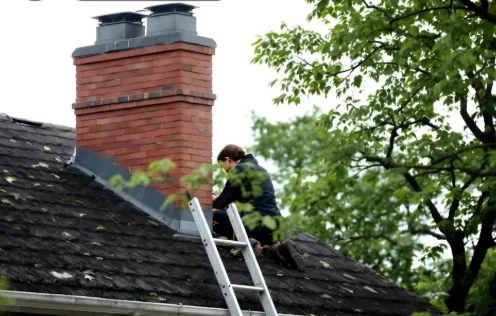
Where the vertical masonry of a chimney pierces the sloping plane of a roof sits one of the most vulnerable water-entry points on any home. Counter-flashing and step-flashing woven into the shingle layers prevent rainwater from running straight down behind interior drywall. During summer heat waves and autumn windstorms, thermal expansion can split sealant lines and pull metal flashing aprons away from mortar joints.
When winter rains hit, water seeps into these compromised gaps, trickling along rafters and staining living room ceilings. Inspecting, resetting, and resealing these critical metal intersections before freezing weather arrives stops costly water intrusion long before major interior damage occurs.
Inspecting the Crown and Masonry Armor
Perched high above the roofline, the concrete chimney crown bears the brunt of atmospheric weather. Formed to shed water away from the flue edges, a concrete crown eventually develops stress cracks from relentless freeze-thaw cycles. When moisture penetrates these micro-fissures and freezes overnight, the expanding ice forces cracks wider, causing mortar joints below to crumble and bricks to spall.
Applying breathable, flexible crown elastomers and tuckpointing eroded mortar joints before mid-winter seals out moisture. This simple structural maintenance step preserves the integrity of your brickwork and prevents catastrophic masonry collapses down the line.
Internal Flue Safety and Creosote Containment
Moving from the exterior structure down into the heart of the home, the internal flue demands equal diagnostic attention. Burning firewood throughout previous winters leaves behind deposits of creosote—a highly flammable byproduct that coats clay flue tiles.
If it builds up into a thick tar glaze, creosote can ignite under high combustion heat, causing chimney fires that burn hot enough to crack flue liners and ignite surrounding wooden framing. A mechanical sweep and video inspection clear away combustible soot and verify that internal clay tiles or stainless steel liners are continuous and free of dangerous thermal cracks.
Roof Drainage and Gutter System Synergy
Your chimney does not exist in isolation; it works in tandem with your overall roof drainage system. When fallen leaves and debris clog roof valleys and gutters surrounding a chimney stack, standing water backs up against lower flashing steps.
During winter cold snaps, trapped standing water freezes into heavy ice dams. These ice dams push up under lower shingle courses and force water horizontally into structural framing. Thoroughly clearing gutters and directing downspouts away from the home’s foundation protects both your roof system and your chimney masonry from hydrostatic pressure damage.
Partnering with Certified Exterior and Hearth Professionals
Preparing a home for harsh winter conditions requires technical precision, proper safety gear, and specialized structural diagnostic tools. Relying on certified field technicians ensures they correctly identify and repair every vulnerability across your roof, masonry, and flue pathways. When you are ready to prepare your property for the cold months ahead, working with trusted industry leaders like Chimneyz guarantees your home receives top-tier care from hearth to roofline.
Settle In for a Safe and Warm Winter Season
Taking a proactive approach to winterizing your home from roof to hearth provides absolute peace of mind when storm clouds gather. By securing roof flashing, repairing crown masonry, clearing internal flue paths, and maintaining proper roof drainage, you shield your sanctuary against severe weather damage. Take action before the first heavy freeze, schedule your property check, and enjoy a warm, worry-free winter by the fire.