Glass Bottle Manufacturing Defects
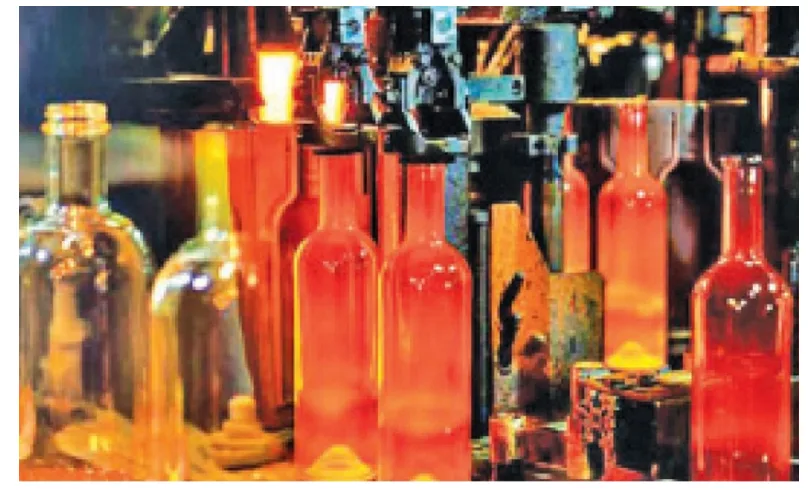
Glass bottles are widely used in the beverage, pharmaceutical, cosmetic, and food industries. They are valued for their durability, appearance, and ability to preserve product quality. However, producing flawless glass bottles is a complex process. Even small changes in temperature, raw materials, or equipment settings can create defects that affect both appearance and performance.
Understanding common manufacturing defects helps producers improve quality, reduce waste, and maintain customer satisfaction. This article explores the most frequent defects found in glass bottles, their causes, and the methods used to prevent them.
Understanding the Glass Bottle Production Process
Before discussing defects, it is important to understand the basic production stages. The Glass Bottle Manufacturing Process begins with carefully selected raw materials such as silica sand, soda ash, limestone, and recycled glass. These materials are melted in a furnace at very high temperatures until they form molten glass.
The molten glass is then shaped into bottles using specialized molds. After molding, bottles pass through an annealing process that slowly cools the glass to reduce internal stress. Finally, they undergo inspection, packaging, and shipment.
Each stage can introduce defects if proper controls are not maintained.
Common Glass Bottle Manufacturing Defects
Bubbles and Blisters
Bubbles are among the most common defects in glass bottles. They appear as trapped air pockets inside the glass.
Causes
- Incomplete melting of raw materials
- Contaminants in the glass batch
- Improper furnace temperature
- Air trapped during forming
Prevention
Manufacturers reduce bubbles by maintaining stable furnace temperatures, using high-quality raw materials, and carefully controlling the melting process.
Cracks and Checks
Cracks can appear on the surface or within the glass structure. Even small cracks may weaken the bottle and increase the risk of breakage.
Causes
- Rapid cooling after molding
- Excessive mechanical stress
- Poor annealing conditions
- Contact with hard surfaces during handling
Prevention
Proper annealing and careful handling throughout production help minimize crack formation.
Stones and Inclusions
Stones are small unmelted particles trapped inside the glass. They reduce transparency and can weaken the bottle structure.
Causes
- Incomplete melting of raw materials
- Furnace contamination
- Refractory material breakdown
Prevention
Regular furnace maintenance and proper raw material preparation significantly reduce inclusion defects.
Surface Defects
Scratches and Scuff Marks
Surface damage often occurs during transportation inside the factory.
Causes
- Bottle-to-bottle contact
- Poor conveyor alignment
- Improper packaging
Prevention
Manufacturers use protective coatings and optimized conveyor systems to reduce surface damage.
Mold Marks
Mold marks are visible lines or imperfections left by the forming equipment.
Causes
- Worn molds
- Incorrect mold alignment
- Poor maintenance
Prevention
Routine inspection and replacement of molds help maintain consistent bottle quality.
Shape and Dimensional Defects
Uneven Wall Thickness
A bottle should have a consistent wall thickness for strength and appearance.
Causes
- Improper gob distribution
- Incorrect mold settings
- Variations in forming pressure
Prevention
Advanced forming equipment and process monitoring help ensure uniform wall thickness.
Out-of-Round Bottles
Bottles may become slightly distorted and lose their intended shape.
Causes
- Uneven cooling
- Mold wear
- Forming equipment issues
Prevention
Maintaining precise temperature control throughout production reduces dimensional variation.
Defects Affecting Bottle Appearance
Appearance plays a major role in product presentation. Premium packaging products such as a Transparent 750ml XO Bottle require excellent clarity and flawless surfaces to attract consumers.
Poor Transparency
Reduced transparency affects the visual appeal of premium products.
Causes
- Impurities in raw materials
- Excessive contaminants
- Inadequate melting
Prevention
Using purified raw materials and maintaining optimal furnace conditions improve glass clarity.
Color Variations
Unexpected color differences can create inconsistency across production batches.
Causes
- Variations in raw material composition
- Contamination during production
- Inaccurate colorant measurements
Prevention
Strict material control and automated dosing systems help maintain color consistency.
Quality Control Methods
Modern glass manufacturing facilities use advanced inspection systems to identify defects before products reach customers.
Automated Vision Inspection
High-speed cameras inspect every bottle for:
- Cracks
- Bubbles
- Shape defects
- Surface imperfections
These systems improve accuracy and reduce the risk of defective products leaving the factory.
Stress Testing
Manufacturers perform stress tests to evaluate bottle strength and durability. Polarized light systems can reveal hidden internal stresses that may cause future failures.
Dimensional Measurement
Automated measuring systems verify bottle dimensions, neck finishes, and wall thickness. Consistent measurements help ensure compatibility with filling and packaging equipment.
The Importance of Preventing Defects
Defect prevention offers significant benefits:
- Reduced production waste
- Lower manufacturing costs
- Improved customer satisfaction
- Better product safety
- Stronger brand reputation
Investing in quality control often costs less than dealing with product returns or damaged customer relationships.
Future Trends in Glass Quality Management
The glass industry continues to adopt advanced technologies to improve production quality. Artificial intelligence, machine learning, and real-time monitoring systems can detect production problems before defects occur.
Smart manufacturing systems analyze furnace performance, forming conditions, and inspection data continuously. This allows manufacturers to make immediate adjustments and maintain higher quality standards.
Conclusion
Glass bottle defects can occur at many stages of production, from raw material preparation to final inspection. Common issues include bubbles, cracks, inclusions, scratches, mold marks, and dimensional variations. Each defect has specific causes and preventive measures.
By understanding the factors that contribute to defects and implementing strong quality control systems, manufacturers can produce safer, stronger, and more attractive glass bottles. As technology advances, defect detection and prevention will continue to improve, helping the industry achieve even higher standards of quality and efficiency.