Global Demand for Personal Protective Gear Rises Amid Evolving Security Challenges
Across the world, the concept of personal safety is being reexamined. From urban centers to conflict-adjacent regions, individuals, organizations, and governments are adapting to a landscape where risks are increasingly varied and less predictable. In response, demand for personal protective equipment, particularly body armor, has seen a noticeable rise.
What was once confined largely to military and law enforcement use is now entering broader markets, reflecting both technological progress and changing perceptions of preparedness.
A Shift Driven by Uncertainty
Security challenges today are rarely uniform. They range from localized incidents to broader geopolitical tensions, often unfolding in ways that are difficult to anticipate. This unpredictability has influenced how both institutions and individuals approach safety.
For many organizations, investing in protective gear has become part of standard risk management. Journalists operating in unstable regions, private security personnel, and even humanitarian workers are increasingly equipped with protective solutions once reserved for frontline forces.
At the same time, civilians in certain contexts are becoming more aware of personal protection options, driven by access to information and the availability of modern equipment.
Technological Advancements Reshaping the Industry
One of the primary reasons behind this expanded demand is the evolution of body armor technology. Earlier generations of protective gear were often heavy, rigid, and impractical for extended use. While effective, they limited mobility and comfort.
Modern systems, by contrast, prioritize both protection and usability. Advances in materials such as high-strength fibers and composite plates have significantly reduced weight while maintaining or improving performance.
These improvements make it possible for a wider range of users to incorporate protective gear into their routines. Lightweight carriers, ergonomic designs, and modular configurations allow individuals to tailor protection based on specific needs.
As a result, the industry is no longer focused solely on maximum defense, but on creating solutions that balance protection with practicality.
Expanding Access and Market Growth
The growing interest in protective equipment has also influenced how products are distributed. Online platforms and specialized retailers have made it easier for individuals and organizations to explore available options.
Consumers researching protective solutions can now compare features, understand different protection levels, and make informed decisions. This accessibility has contributed to a more transparent market, where users are better equipped to evaluate their needs.
If you are exploring practical options, you can now choose to shop body armor and plate carriers here, reviewing specifications, configurations, and intended use cases before making a decision. This shift toward direct-to-consumer availability reflects a broader move toward transparency and informed purchasing across the industry.
Professional Use Beyond the Battlefield
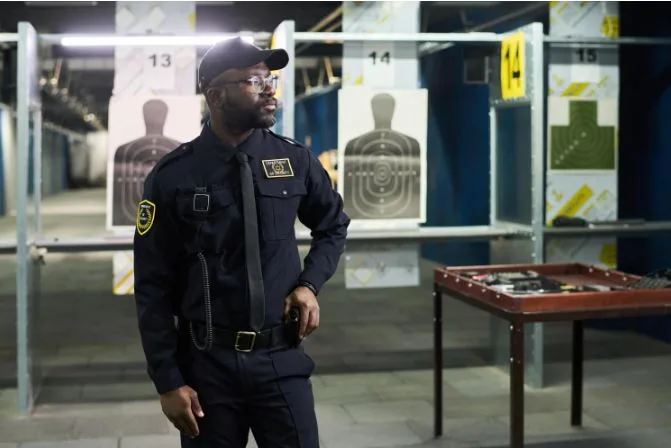
Image by Imaginiac007 on Freepik
While public attention often focuses on civilian access, professional use remains a significant driver of demand. Law enforcement agencies, security contractors, and emergency response teams continue to rely on protective gear as part of their standard equipment.
However, their requirements have evolved. Modern roles often involve extended operations in complex environments, where mobility and endurance are just as important as protection.
This has led to a shift in procurement priorities. Agencies are increasingly seeking solutions that offer flexibility, comfort, and integration with other equipment, rather than relying solely on traditional heavy armor systems.
Standards, Regulation, and Oversight
As the market expands, ensuring the reliability of protective equipment becomes even more critical. Standardized testing and certification processes play a key role in maintaining quality and trust.
Organizations such as the International Organization for Standardization contribute to the development of frameworks that influence manufacturing and testing practices across industries, including protective equipment.
These standards help define performance benchmarks, ensuring that products meet consistent criteria for durability and effectiveness. For users, this provides an additional layer of assurance in a market that continues to grow and diversify.
Ethical and Regulatory Considerations
The increasing availability of body armor has also sparked discussions around regulation and responsible use. Different countries approach this issue in varying ways, balancing public safety concerns with individual rights.
In some regions, access is restricted or monitored, while in others it remains more open. These differences reflect broader societal perspectives on security and risk.
At the same time, manufacturers and distributors face the challenge of ensuring that products are marketed responsibly. Clear communication about capabilities, limitations, and intended use is essential for maintaining trust and preventing misuse.
The Role of Education and Awareness
As interest in protective gear grows, so does the need for accurate information. Understanding how body armor works, what it is designed to protect against, and its limitations is crucial.
Misinformation can lead to unrealistic expectations or inappropriate use. Educational resources, whether provided by manufacturers, industry experts, or independent organizations, play an important role in addressing this gap.
For both professionals and civilians, informed decision-making is key to ensuring that protective equipment is used effectively and responsibly.
Looking Ahead: Innovation and Integration
The future of personal protective equipment is likely to be shaped by continued innovation. Research into advanced materials, improved energy dispersion, and integrated technologies is already underway.
Emerging concepts include smart armor systems capable of monitoring impact events, as well as designs that further enhance comfort and adaptability. These developments suggest that protective gear will become increasingly integrated into broader systems of personal and operational safety.
At the same time, the core objective remains unchanged: to provide reliable protection without compromising the user’s ability to function effectively.
A Changing Definition of Preparedness
The rising demand for personal protective gear reflects a broader shift in how preparedness is understood. It is no longer limited to specialized professions but is becoming part of a wider conversation about safety in uncertain environments.
This does not necessarily indicate a fundamental change in risk levels, but rather a change in awareness and access. As technology advances and information becomes more widely available, individuals and organizations are better equipped to explore their options.
In this evolving landscape, protective equipment serves as one component of a larger approach to resilience, one that combines technology, knowledge, and adaptability to meet the challenges of a changing world.