Global Glass Bottle Manufacturers Boost Capacity Amid Demand
0.1 Global Glass Bottle Manufacturers Boost Capacity Amid Demand
The global glass packaging landscape is shifting faster than ever. If you have noticed major suppliers restructuring their lines or struggled to secure reliable inventory, you are feeling the effects of a massive industrial squeeze.
As a supply-chain strategist who tracks global manufacturing trends, I know that keeping up with shifting packaging regulations and capacity constraints can make or break your product rollout. This is not just about switching from plastic—it is a race for production volume.
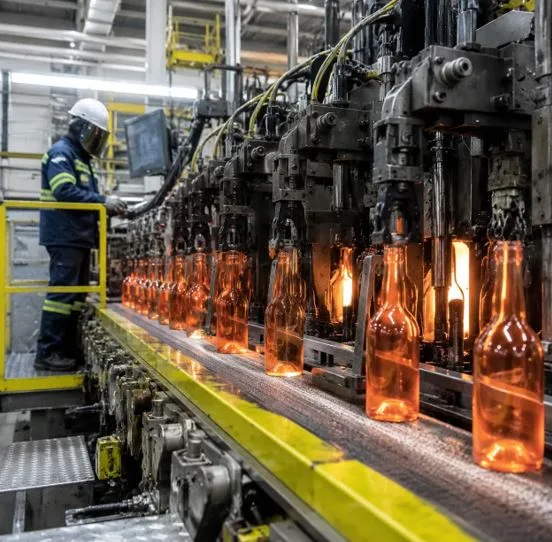
Right now, global glass bottle manufacturers are aggressively expanding capacity to survive a perfect storm: strict environmental mandates banning single-use plastics, a post-pandemic surge in premium spirits, and rising demand for inert packaging in the pharmaceutical sector. When you shortlist partners, start with a reliable glass bottle manufacturer that can scale output without sacrificing quality or lead-time predictability.
With furnace temperatures topping 1,500°C and energy costs eating into margins, can production expansions actually keep pace with your brand’s demand? Here is what the hard data, regional shifts, and factory investments mean for your bottom line.
0.2 Driving Forces: Why the Glass Packaging Market is Scaling Rapidly
0.2.1 Circular Economy Regulations Impacting Single-Use Plastics
Stringent circular economy regulations and nationwide bans on single-use plastics are forcing brands to reevaluate their supply chains. Regulatory bodies globally are mandating higher recyclability targets, driving unprecedented demand for sustainable glass packaging solutions.
Unlike alternative materials, glass offers infinite recyclability without quality degradation. Enterprise buyers are pushing suppliers to expand glass manufacturing furnace capacity so they can transition away from polymers and comply with evolving environmental mandates.
| Regulatory Directive | Impact on Packaging Procurement |
| Single-Use Plastic Bans | Accelerates shift to bulk glass bottles wholesale solutions. |
| Mandated Extended Producer Responsibility (EPR) | Increases adoption of sustainable packaging with recycled glass cullet. |
0.2.2 Surge in Premiumization Across Beverage and Pharmaceutical Sectors
Market dynamics show that premium packaging directly influences consumer purchasing decisions in the beverage and pharma sectors. High-volume glass bottle production lines are being optimized for high-end aesthetics and strict chemical inertness.
- Beverage Industries: Spirit, wine, and craft beverage brands utilize custom glass bottle design as a core differentiator to signal premium quality.
- Pharmaceutical Sector: The demand for high-purity pharmaceutical glass vials is scaling rapidly to secure sensitive formulations and vaccines.
0.2.3 Mitigating Supply Chain Vulnerabilities and Global Bottle Shortages
Recent global bottlenecks have exposed severe vulnerabilities in localized sourcing. Established glass bottle suppliers mitigate these risks through strategic capacity expansions and resilient logistics infrastructure.
To safeguard production timelines against future global bottle shortages, integrated manufacturers use multi-furnace operational models that stabilize output. Partnering directly with a glass packaging manufacturer protects your business from intermediate price volatility and ensures consistent inventory for food grade glass jars and wholesale bottle requirements.
0.3 Segment Breakdown: Where the Expanded Capacities Are Channeling
Glass bottle manufacturing capacity expansion
Where is the newly expanded high-volume glass bottle production capacity actually going? Capital investments are flowing into two distinct manufacturing channels to meet diverging B2B market demands.
0.3.1 Standard vs. Specialty Glass Bottle Applications
The global glass container market size is scaling across two primary categories:
- Standard Volume Lines: High-speed automation dedicated to mass-market food grade glass jars and commodity beverage bottle supplier setups. These lines focus on maximizing daily throughput and minimizing unit costs.
- Specialty Craft Lines: Flexible, lower-volume infrastructure tailored for custom glass bottles, premium packaging solutions, and high-purity pharmaceutical glass vials. These applications command higher margins but require strict quality control systems.
0.3.2 Infrastructure for Flint vs. Amber Glass Production Capabilities
Furnace capacity allocation depends heavily on the color and composition requirements of the target industry. Managing multi-ton glass manufacturing furnace capacity changes requires distinct infrastructure setups:
| Glass Type | Primary Target Sectors | Key Infrastructure Requirements |
| Flint Glass (Clear) | Spirits, cosmetics, food jars | Requires ultra-pure raw materials and precise decolorizing agents to ensure maximum optical clarity. |
| Amber Glass (Brown) | Beer, pharma vials, chemicals | Requires the addition of iron, sulfur, and carbon to provide superior UV-light protection for light-sensitive products. |
Balanced melting schedules help ensure stable wholesale availability for both high-clarity premium spirits packaging and protective amber pharmaceutical containers.
0.4 Geographic Hubs: Global Glass Bottle Manufacturers Expand Capacity
Global Green Glass Manufacturing Growth
Global glass packaging manufacturers are expanding footprints across key regional nodes to balance high-volume output with high-value, sustainable innovations.
0.4.1 Asia-Pacific: The Engine for High-Volume Glass Bottle Production
The Asia-Pacific region remains the primary driver for scalable, cost-effective manufacturing. Rapid urbanization and a booming food and beverage sector dictate massive, uninterrupted supply chains.
- Scale and Speed: Optimized glass manufacturing furnace capacity in this region secures steady output for bulk glass bottles wholesale.
- Cost Efficiency: Streamlined infrastructure meets massive market demands while maintaining competitive pricing for international enterprise buyers.
0.4.2 North America and Europe: Pioneers in Sustainable Packaging Innovation
In western markets, the focus shifts from raw volume to advanced technical execution and strict compliance with circular economy regulations.
- Low-Carbon Manufacturing: European and North American facilities utilize high ratios of recycled glass cullet and energy-efficient systems to shrink the carbon footprint of every run.
- Premium Packaging Solutions: These hubs lead specialized designs—pharmaceutical glass vials, lightweighting techniques, and custom aesthetics for high-end spirit and cosmetic brands.
| Region | Primary Operational Focus | Key Product Output |
| Asia-Pacific | High-volume efficiency & capacity scaling | Standard beverage bottles, food grade glass jars, high-volume bulk orders |
| Europe & North America | Low-carbon innovation & premiumization | Lightweighted sustainable packaging, premium spirits containers, pharma glass |
0.5 Strategic Sourcing: Navigating Price Asymmetry and Total Cost of Ownership (TCO)
Glass Bottle Manufacturer Furnace TCO
0.5.1 Understanding Energy-Heavy Upstream Production Costs and Furnace Demands
Glass packaging operations hinge heavily on energy availability. Upstream production is vulnerable to fluctuating natural gas and electricity prices, which directly dictate the cost of running a glass manufacturing furnace 24/7. When global energy markets spike, the cost to melt raw materials—silica sand, soda ash, and recycled glass cullet—rises instantly.
For enterprise buyers seeking high-volume glass bottle production, understanding how furnace lifespans and fuel costs impact the supply chain is critical. Manufacturers manage upstream pressures by optimizing furnace efficiency and increasing cullet ratios, which melt at lower temperatures—but price asymmetry remains a challenge in the global glass container market.
0.5.2 Calculating TCO Beyond Unit Prices for B2B Procurement Efficiency
When securing bulk glass bottles wholesale, focusing solely on the per-unit price creates a blind spot. A true strategic sourcing strategy accounts for Total Cost of Ownership (TCO) in packaging. Enterprise procurement teams must look at the hidden costs that dictate the final bottom line.
Glass bottle manufacturing prices move on more than factory-gate quotes—ask for line-item breakdowns covering freight, defect rates, and MOQ-driven storage before you commit to a supplier.
| Cost Category | Key Risk Variables | Impact on TCO |
| Logistics & Freight | Fuel surcharges, pallet weight, transit damage | Heavy weight increases shipping fees significantly compared to plastic alternatives. |
| Quality Assurance | Defect rates, structural fragility, line breakage | Poorly manufactured glass causes costly downtime on automated beverage or pharma filling lines. |
| Inventory & Storage | Lead times, minimum order quantities (MOQs), warehouse space | High volume orders require massive physical footprint, locking up working capital. |
Working directly with an integrated glass bottle supplier allows you to calculate true freight realities, custom glass bottle design secondary packaging requirements, and structural yield metrics. Partnering with a reliable glass packaging manufacturer that offers localized distribution and predictable lead times is the fastest way to eliminate hidden operational waste and protect margins.
0.6 Sustainable Glass Packaging: Circular Systems and Lightweighting
Sustainable Glass Packaging Capacity Expansion
Strict global sustainability targets are pushing production lines to balance environmental mandates with high-volume glass bottle production.
0.6.1 Implementing Returnable and Refillable Bottle Logistics
Closed-loop distribution networks support the global shift toward a circular economy. Transitioning from single-use models to returnable systems lowers reliance on raw materials and optimizes the glass container market life cycle.
- Closed-Loop Infrastructure: Regional beverage bottle supplier networks streamline collection and washing logistics.
- Enhanced Durability: Bottles engineered to withstand up to 30 to 50 refill cycles without compromising structural integrity.
- Increased Cullet Utilization: Higher ratios of recycled glass cullet in furnace operations cut energy consumption.
0.6.2 Adopting Advanced Lightweighting Technologies
Precision molding techniques strip excess weight from bulk glass bottles wholesale inventory while maintaining structural strength.
| Metric | Traditional Bottle | Lightweight Glass Bottle | Environmental Impact |
| Average Weight | 450g | 315g | 30% reduction in raw materials |
| Carbon Footprint | Baseline | 25% Lower | Reduced melting energy requirements |
| Logistics Efficiency | Standard Payload | +15% Cases Per Pallet | Lower transport emissions per unit |
By thinning walls and reinforcing high-stress points, enterprise buyers can slash shipping costs and hit carbon reduction goals. Choosing the right glass bottle supplier means securing packaging that protects both your product and your bottom line.
0.7 Why Many Brands Choose Reihey as Their Glass Bottle Manufacturer
At Reihey, we combine multi-furnace glass manufacturing capacity with end-to-end support for beverage, food, cosmetic, and pharmaceutical buyers. Our teams help you navigate MOQ thresholds, custom mold timelines, and landed-cost modeling so capacity expansions translate into reliable inventory—not just marketing headlines.
- Scalable Production: High-volume standard lines plus flexible specialty runs for custom glass bottle design and food grade glass jars.
- Regional Flexibility: Asia-Pacific throughput paired with low-carbon innovation hubs in Europe and North America.
- TCO Transparency: Quote structures that surface freight, defect-rate risk, and lightweighting savings before you sign off on bulk glass bottles wholesale.
0.8 Frequently Asked Questions (FAQs)
0.8.1 What is driving the global surge in glass packaging production capacity?
Strict circular economy regulations targeting single-use plastics are forcing brands to find truly recyclable solutions. At the same time, premiumization in the beverage and pharmaceutical sectors is accelerating demand for high-volume glass bottle production that meets ESG targets while delivering a premium shelf presence.
0.8.2 How does TCO impact bulk glass bottle procurement decisions for enterprise buyers?
| Procurement Factor | Unit Price Focus | Total Cost of Ownership (TCO) Focus |
| Initial Cost | Lowest factory-gate price | Optimized landed cost |
| Defect Rates | Often ignored until delivery | Accounted for via strict QA protocols |
| Logistics & Weight | Standard heavy bottles | Lightweight designs to slash freight costs |
| Supply Reliability | High risk of stockouts | Guaranteed allocation and buffer stock |
When buying bulk glass bottles wholesale, looking only at the per-unit price is a trap. Enterprise buyers must calculate TCO—including upstream energy surcharges, palletization efficiency, transport breakage rates, and reliable lead times.
0.8.3 Why are major manufacturers shifting toward low-carbon and lightweighting production technologies?
The glass container market size is expanding, but furnace emissions are under heavy scrutiny. Advanced lightweighting technologies use less raw material per bottle without sacrificing structural integrity. Higher ratios of recycled glass cullet lower furnace temperatures, save energy, and cut carbon footprints—keeping production lines compliant with evolving environmental laws while delivering competitive price points on glass bottles and food grade glass jars.