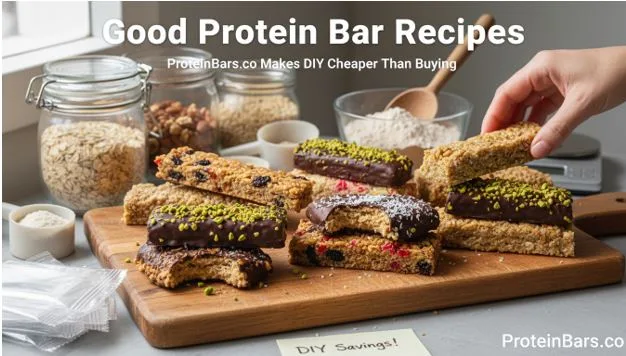
Good Protein Bar Recipes: ProteinBars.co Makes DIY Cheaper Than Buying
Store-Bought Bars Cost $3 Each: Homemade Versions Cost 50 Cents
Grabbing protein bars at checkout adds up fast. Premium brands charge $2.50 to $4.00 per bar. A box of 12 runs $30 or more. The math gets painful for anyone eating bars regularly as a healthy snack between meals.
A platform called ProteinBars.co is teaching people to make their own protein bars at home. The site features 29+ macro-verified homemade protein bar recipes costing 50-75% less than store-bought options. People gain complete control over ingredients, macros, and flavors while saving serious money. Good protein bar recipes turn out to be simpler than most expect.
Why Homemade Beats Store Bought
Store-bought protein bars hide questionable ingredients. The labels list mystery additives and preservatives. Some contain more added sugar than candy bars. Reading nutrition calories reveals inflated saturated fat levels in popular recipes.
Homemade protein bars use whole food ingredients that anyone recognizes. Rolled oats provide fiber and texture. Natural peanut butter or almond butter binds everything together. Whey protein powder or plant-based protein powder adds the protein punch. Chocolate chips satisfy sweet cravings without refined sugar overload.
The control matters for people with dietary restrictions. Nut-free versions swap peanut butter for sunflower seed butter. Gluten-free bars skip oat flour completely. Naturally sweetened options use maple syrup or honey instead of processed sugars.
Breaking Down Recipe Types
No bake protein bars dominate the collection. Most recipes take under 15 minutes of active work. Mix wet ingredients in a large mixing bowl. Add dry ingredients and favorite mix ins. Press firmly into a pan lined with parchment paper. Refrigerate and cut into bars.
Peanut butter protein bars rank among the most popular recipes. Natural peanut butter combines with vanilla protein powder and rolled oats. A drizzle of maple syrup adds mild sweetness. Extra chocolate chips make the bars feel indulgent. The no-bake recipe requires zero cooking skills.
Baked protein bar recipes offer a firmer texture for people who prefer less chewy consistency. Almond butter or cashew butter works beautifully in baked versions. Coconut oil keeps bars moist during baking. Ground flaxseed and chia seeds boost nutrition without changing flavor.
Candy Bar Copycat Collections
The site includes recipes mimicking famous candy bars. Chocolate protein bars taste like Snickers when made with chopped nuts and caramel. Cookie-dough flavored bars satisfy cravings without raw eggs. Cinnamon roll versions use pumpkin puree for moisture and flavor.
Each copycat recipe delivers 20-35 grams of protein per serving. Compare that to store-bought candy bars with 3-5 grams. The homemade versions pack nutritional value while maintaining a familiar taste. Kids approve, adults hit macro targets.
Ingredient Flexibility
Recipes accommodate different preferences easily. Favorite nut butter can replace whatever the recipe suggests. Cashew butter swaps for almond butter seamlessly. Sunflower seed butter helps nut-free households participate.
Protein powder choices matter for taste. Whey protein creates a classic texture in bars. Plant-based protein powder works for vegan diets. Vanilla protein powder serves as a neutral base. Cocoa powder adds chocolate flavor without extra sugar.
Mix-ins personalize each batch. Dried fruit adds natural sweetness. Hemp hearts contribute healthy fats with polyunsaturated fat and monounsaturated fat profiles. Chopped nuts provide a satisfying crunch. Extra chocolate chips never hurt anyone.
The Meal Prep Advantage
Making bars in batches saves time and money weekly. One mixing bowl session produces 12-16 bars. Store bars in an airtight container in the fridge. Grab and go becomes reality for busy mornings.
Bars stay fresh for 7-10 days refrigerated. Freeze extras for longer storage. The convenience rivals store-bought options without the premium price tag. A great snack waits whenever hunger strikes.
Macro Verification and Accuracy
All recipes use USDA FoodData Central for nutrition calculations. Protein content gets measured precisely. Serving size information appears clearly on each recipe card. People tracking macros know exactly what they’re eating.
The verification eliminates guesswork. Review recipe details before making a batch. Adjust serving size to fit daily targets. Comment something if questions arise about substitutions.
Getting Started With Collections
Free starter packs introduce fundamental bar recipes. Premium collections group recipes by theme. Candy Bar Copycats delivers nostalgic flavors. High-Protein Pack focuses on bars with 30+ grams. Meal Prep Bars features recipes that freeze well.
Each recipe includes a shopping list and prep tips. Downloadable PDFs make grocery shopping simple. Butter and honey combinations get explained for perfect binding. The ratio of wet ingredients to dry ingredients matters for texture.
Beyond Basic Bars
The platform includes variations beyond standard rectangles. Protein cookies use similar ingredients in different shapes. No-bake balls offer portion-controlled alternatives. Some recipes work in a protein shake format, too.
Greek yogurt appears in several recipes for extra protein and creamy texture. Oat flour creates a smoother consistency in baked versions. Parchment paper prevents sticking during storage. Press firmly when shaping to avoid crumbly results.
Making your own protein bars at home stops feeling intimidating after the first batch. ProteinBars.co proves that good protein bar recipes save money while improving nutrition. The ingredients list stays clean, the wallet stays full.
Frequently Asked Questions
Can I use almond milk in protein bar recipes instead of water?
Yes, almond milk adds creaminess to no-bake protein bar mixtures and helps bind ingredients together, though most recipes work fine with or without liquid.
Does whey protein powder work better than plant-based options for homemade bars?
Whey protein powder creates a slightly firmer texture and neutral taste in bars, but plant-based protein powder works equally well with minor texture differences.