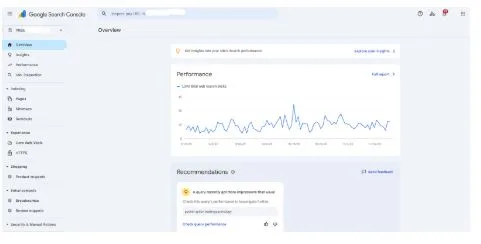
Google Search Console Adds 2025 Branded Query Filters and Custom Annotations to Help Sites Track Performance More Precisely
Google has rolled out two major upgrades to Search Console in late 2025. The first adds an AI-powered filter to separate “branded” queries from “non-branded” traffic. The second introduces custom annotations for performance charts, giving site owners a clearer way to log changes and interpret trends. These updates mark a shift toward more precise analytics for SEO professionals.
What the New Features Deliver
The new branded-query filter automatically tags search queries that include a brand name, product name, or common misspellings. This helps site owners distinguish between traffic from brand-aware visitors and traffic from new users discovering their content organically. The filter shows metrics such as impressions, clicks, click-through rate and average position, separately for branded and non-branded queries.
Custom annotations allow website owners to add up to 200 notes per property directly on performance charts. These notes can mark events such as site migrations, content updates or campaign launches. They persist for up to 500 days, giving teams a shared historical context to better understand spikes or drops in search metrics.
Together, these tools help differentiate brand-driven traffic from discovery-based traffic and give teams context to interpret data, a leap forward compared with previous reliance on manual filters or external spreadsheets.
Why This Matters Now
For many websites, branded traffic can inflate performance metrics, masking weaknesses in organic reach. With the branded-query filter, companies can now transparently measure how much of their traffic comes from users already aware of the brand versus purely organic discovery.
Custom annotations help link business actions to traffic outcomes. For example, if a team publishes a major article or implements a content overhaul, they can annotate that date. Later they can see how those changes affected clicks, impressions or rankings. This level of granularity is crucial in a competitive SEO environment.
In this evolving landscape, technical health and clarity have become even more important. Search engines and emerging AI-powered search assistants reward well-structured, technically sound websites. That makes doing a website audit for better AI visibility an essential step. A full audit reveals crawl issues, metadata gaps, slow performance, schema errors, or structural flaws that could hide the site from advanced search and indexing tools.
What Site Owners Should Do Next
Website owners and SEO teams should immediately:
- Use the new branded-query filter to split performance data into brand vs non-brand traffic.
- Add annotations for all major site changes—content updates, backend changes, page restructuring.
- Run a full website audit to fix structural or technical issues that might limit visibility in AI-driven search engines.
- Monitor non-branded traffic as a key metric for real organic growth and discovery.
Anatolii Ulitovskyi, CEO at UNmiss says:
“The new Search Console features give businesses a clearer picture of who they’re reaching. Separating branded from non-branded traffic and tracking changes over time gives actionable insight. In a landscape where AI and structured indexing matter more than ever, website technical health is no longer optional. A thorough website audit is the foundation for accurate data, stable performance and long-term visibility.”