Grain Sourcing Standards Most Manufacturers Never Think to Check
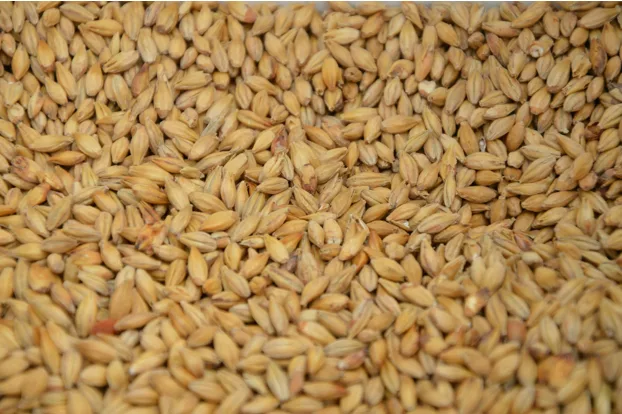
Grains may arrive with the name, grade, and price yet still create problems on a production floor. Specifications that look complete often say little about how an ingredient will behave in dough, move through equipment, or remain consistent from one shipment to the next. Asking better questions before purchasing can prevent reformulation, downtime, and rejected finished goods.
Before approving a grain company, a manufacturer should look beyond product availability and request evidence of how crops are sourced, handled, tested, and documented. The strongest supplier relationship gives your procurement, quality, and product development teams enough information to predict suitability instead of troubleshooting surprises.
Traceability Should Reach Beyond the Warehouse
A lot code that identifies a supplier’s facility is useful, but it may not tell you where the crop was grown. Ask whether traceability extends to the farm, region, crop year, and processing run. This detail becomes especially valuable when looking into a quality deviation or confirming claims tied to origin and farming practices.
Good records should make a recall exercise faster. Find out how quickly the supplier can trace an ingredient backward and forward, and whether it tests that process. Traceability is most valuable when the information can be retrieved under pressure.
Processing Details Can Change Product Performance
Two flours with identical protein content can behave differently because milling method, granulation, starch damage, and moisture all influence absorption and mixing. Whole kernels can also vary in size, hardness, cleanliness, and breakage, affecting cook times and visual consistency.
Instead of accepting a broad product description, define the functional characteristics your formula depends on. Ask for target ranges, test methods, and historical lot data. A certificate of analysis shows whether one shipment passed; trend data reveals whether the supplier consistently operates near the centre of your specification or regularly approaches its limits.
Cross-Contact Controls Need Specific Questions
A certification logo still needs explanation. Manufacturers should understand where allergens, gluten-containing grains, and identity-preserved ingredients are received, stored, processed, and packed. Ask about dedicated areas, validated cleaning procedures, production sequencing, and air movement.
The same scrutiny applies to organic, kosher, and other claim-sensitive ingredients. Confirm that there are controls covering the full route through the facility, including rework, temporary storage, shared tools, and packaging lines.
Supply Continuity Starts at the Farm
Annual contracts don’t guarantee that the crop will be available or suitable. Weather, regional concentration, and seed availability can expose you to disruptions long before a missed delivery.
Ask suppliers how they forecast demand with growers, qualify backup sources, and manage crop-year transitions. You should also know whether substitutions need approval. A replacement that meets specifications may still change colour, flavour, hydration, or label claims.
Make Standards Part of Product Design
The best time to establish sourcing standards is before your formula reaches full-scale production. Bring procurement, quality, operations, and product development into the supplier review process so each team can identify the variables that matter to them.
A longer qualification process can create a much shorter path to dependable production. Build your sourcing checklist around the finished product you need to make, then ask suppliers to show, with records and data, how they will help you make it consistently.