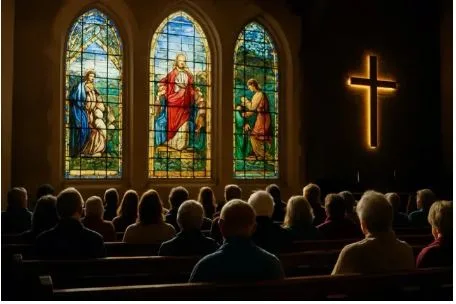
Guarding the Sanctuary: A Comprehensive Guide to Risk Management and Insurance for Modern Religious Institutions
The role of the church in American society has undergone a profound transformation over the last several decades. No longer just a place for Sunday morning worship, modern religious institutions serve as community hubs, daycare centers, disaster relief coordinators, and educational facilities. However, with this expanded role comes an expanded profile of risk.
For leadership teams, the weight of responsibility is twofold: spiritual stewardship and fiduciary duty. Protecting the physical assets, the congregation, and the reputation of the church requires more than faith; it requires a sophisticated understanding of modern risk management. Whether you are seeking specialized Church Insurance in Ohio or managing a multi-state ministry, understanding the nuances of coverage is essential to the longevity of your mission.
Part I: The Evolving Landscape of Ministry Risks
Historically, church insurance was primarily focused on “Fire and Brimstone”—literally protecting the wooden steeple from lightning strikes or accidental fires. Today, the “perils” are much more complex.
1. The Litigious Environment
We live in an era where non-profit and religious organizations are no longer immune to the litigious nature of society. Charitable immunity laws have largely eroded, leaving churches vulnerable to lawsuits ranging from “slip and fall” accidents to complex employment disputes.
2. The Digital Frontier
Cybersecurity is rarely the first thing on a pastor’s mind, but churches collect a wealth of sensitive data. From tithe records and credit card information to confidential counseling notes, the digital footprint of a church is a prime target for hackers. A data breach can be devastating, not just financially, but in terms of the trust built with the congregation.
3. The Changing Climate and Property Damage
For those managing properties in the Midwest, specifically looking for Church Insurance in Ohio, weather patterns are a significant concern. Increased frequency of windstorms, heavy snow loads, and flash flooding put a strain on aging church infrastructures.
Part II: Core Coverages Every Ministry Needs
Navigating the world of insurance can feel like learning a second language. However, there are five “pillars” of Church Insurance that form the foundation of a solid protection plan.
1. Commercial Property Insurance
This covers the physical building and the “contents” inside. For a church, “contents” often includes high-value items that are difficult to replace, such as pipe organs, stained glass windows, and expensive audiovisual equipment.
- Replacement Cost vs. Actual Cash Value: It is vital for church boards to ensure their policy is set to “Replacement Cost.” If an 1890s cathedral burns down, the “Actual Cash Value” (depreciated value) will not be anywhere near enough to rebuild to modern codes.
2. General Liability Insurance
General liability is your first line of defense against claims of bodily injury or property damage occurring on your premises. If a visitor trips on a loose carpet in the narthex, this is the policy that covers their medical bills and your legal defense.
3. Professional Liability (Counseling)
Many pastors and lay-leaders provide spiritual counseling. If a congregant feels that the advice given led to emotional distress or financial loss, they may sue for professional malpractice. Standard liability does not cover this; specialized professional liability for ministers is required.
4. Directors and Officers (D&O) Liability
The elders, deacons, or board members of a church make high-level decisions regarding the budget, staff hiring/firing, and property management. D&O insurance protects the personal assets of these leaders if they are sued for “wrongful acts” in their capacity as church leaders.
5. Sexual Misconduct and Molestation Liability
This is the most difficult topic to discuss, but the most critical to address. In the modern era, no church can afford to be without specific coverage for sexual misconduct. This policy provides for legal defense and settlements, but more importantly, many carriers like Ingram Insurance provide resources to help churches implement background checks and “Two-Adult” rules to prevent these tragedies from occurring in the first place.
Part III: The Hidden Risks: Beyond the Basics
To reach a truly comprehensive level of protection, ministries must look at the “hidden” risks that often fall through the cracks of a standard policy.
The Rise of Employment Practices Liability (EPLI)
Churches are employers. Issues such as wrongful termination, sexual harassment among staff, or discrimination in hiring are real risks. Even though religious organizations have certain protections under the “Ministerial Exception,” they are not exempt from all labor laws. EPLI coverage is essential for any ministry with more than a handful of employees.
Mission Trip and Travel Insurance
If your youth group travels across state lines or your mission team goes to Haiti or Mexico, your standard domestic policy likely stops at the border. International travel insurance covers emergency medical evacuations, kidnap and ransom (in high-risk areas), and liability in foreign jurisdictions.
Hired and Non-Owned Auto Insurance
Does your church secretary use their personal car to go to the bank or post office for church business? Does a volunteer drive their SUV to pick up donuts for the Sunday school? If they get into an accident while performing a “church task,” the church can be held liable. Hired and Non-Owned Auto insurance protects the institution in these scenarios.
Part IV: Specialized Focus: Church Insurance in Ohio
Regionality matters in insurance. For institutions located in the Buckeye State, the risk profile is unique. Church Insurance in Ohio must account for the specific legal and environmental factors of the region.
1. The “Age of Facilities” Factor
Ohio is home to some of the most beautiful, historic stone and brick churches in the country. While these buildings are majestic, they often have outdated electrical systems, plumbing, and roofing. Insurance carriers in Ohio look closely at the “Age of Utilities.” Upgrading these systems isn’t just a matter of convenience; it’s a matter of insurability.
2. Winter Perils
From the “Snowbelt” near Lake Erie to the ice storms of Southern Ohio, winter is a primary driver of claims. “Ice damming”—where melting snow refreezes at the edge of the roof—can cause water to back up under shingles and destroy sanctuary ceilings. A local expert like Ingram Insurance understands these regional patterns and can advise on preventative maintenance.
Part V: Creating a Culture of Safety
Insurance is the safety net, but risk management is the floor you walk on. A church that relies solely on its insurance policy without implementing safety protocols is a church at risk.
The Safety Committee
Every church, regardless of size, should have a safety committee. This group is responsible for:
- Conducting quarterly “walk-throughs” to identify trip hazards, frayed cords, or blocked fire exits.
- Reviewing and updating the “Child Protection Policy.”
- Developing an Emergency Action Plan (EAP) for fire, weather, or “active shooter” scenarios.
Volunteer Management
Volunteers are the lifeblood of the church, but they are also a major source of liability. Every volunteer working with minors or vulnerable adults must undergo a background check. Furthermore, volunteers should be “trained” in their specific roles. A volunteer who knows how to properly lift a heavy table or use a fire extinguisher is a liability-reducing asset.
Documenting Everything
In the eyes of the law and the insurance adjuster, “If it isn’t documented, it didn’t happen.” Churches should keep meticulous records of:
- Maintenance logs (when was the roof last inspected?).
- Staff training sessions.
- Incident reports (even for minor scrapes).
- Board meeting minutes.
Part VI: The Financial Benefits of Comprehensive Coverage
Some church boards view Church Insurance as a “grudge purchase”—an expensive necessity that takes money away from ministry. However, a well-structured insurance program actually enables ministry.
1. Stability in Times of Crisis
When a disaster strikes, a church with proper coverage can focus on healing its congregation rather than wondering if it will have to close its doors forever. The insurance company handles the contractors, the adjusters, and the legal fees.
2. Attracting Quality Leadership
Prospective pastors and administrative staff are increasingly looking at the “benefits and protections” offered by a call. Knowing that the church carries D&O insurance and has a robust EPLI policy provides peace of mind to incoming leaders.
3. Fulfilling Lending Requirements
If your church is planning a capital campaign or taking out a loan for a new family life center, the bank will require proof of high-limit property and liability insurance. Being “proactive” with your insurance profile makes the lending process significantly smoother.
Part VII: Why Partner with a Specialist?
The “Generalist” insurance agent who handles your personal car and home might be a great neighbor, but do they understand the complexities of a 501(c)(3) religious organization?
Specialized agencies like Ingram Insurance offer several advantages:
- Access to Niche Carriers: There are only a handful of insurance companies in the U.S. that truly specialize in religious institutions (e.g., Brotherhood Mutual, GuideOne, Church Mutual). A specialist agent has direct access to these markets.
- Customized Policy Language: A standard “business” policy might exclude things like “Pastoral Counseling” or “Religious Liberty” claims. A specialist ensures these endorsements are included.
- Risk Assessment Tools: Specialists provide the church with more than just a policy; they provide background check services, safety videos, and sample handbooks tailored for ministries.
Part VIII: Conclusion—The Stewardship of Safety
As we look toward the future, the challenges facing religious institutions are not likely to decrease. Social shifts, technological advancements, and economic fluctuations will continue to test the resilience of the church.
However, the mission remains the same. By taking a proactive approach to Church Insurance, leadership teams can ensure that their focus remains on their spiritual calling. Whether you are a small rural parish or a large urban mega-church, the principles of stewardship apply to your insurance policy just as much as they apply to your tithes.
Investing in a relationship with a knowledgeable partner like Ingram Insurance is not just a business decision—it is an act of stewardship. It is a commitment to the congregation, the community, and the future of the faith that the institution will be protected, come what may.
In the end, insurance is about more than premiums and deductibles. It is about the peace of mind that allows a pastor to stand in the pulpit, a teacher to lead a classroom, and a volunteer to serve a meal, knowing that the “Sanctuary” is truly guarded.
For those in the Midwest looking to deepen their understanding of these protections, exploring the specifics of Church Insurance in Ohio is the first step toward a more secure tomorrow.
Key Takeaways for Church Boards:
- Audit Regularly: Review your property values every 3 years to account for inflation in construction costs.
- Safety First: Background checks are non-negotiable for all staff and volunteers.
- Cyber Awareness: Educate staff on phishing and secure data handling for donor information.
- Expert Advice: Work with an agent who understands the unique “non-profit” status of religious groups.