Hair Restoration Surgery: Everything You Should Know
Hair loss affects millions worldwide, and it can occur due to aging, genetics, stress, hormonal changes, or medical conditions. Thinning hair or bald patches can lower confidence and impact self-esteem. One of the most effective long-term solutions is a Hair transplant. This procedure moves healthy hair follicles from donor regions to areas with thinning or no hair, resulting in natural-looking and permanent hair growth.
Why People Consider Hair Restoration
Hair loss can happen to anyone. For men, male pattern baldness is common, while women may experience thinning hair over time. Beyond aesthetics, hair loss affects social confidence and professional interactions. Many individuals seek surgical solutions after trying non-surgical methods without significant results.
How Hair Transplant Surgery Works
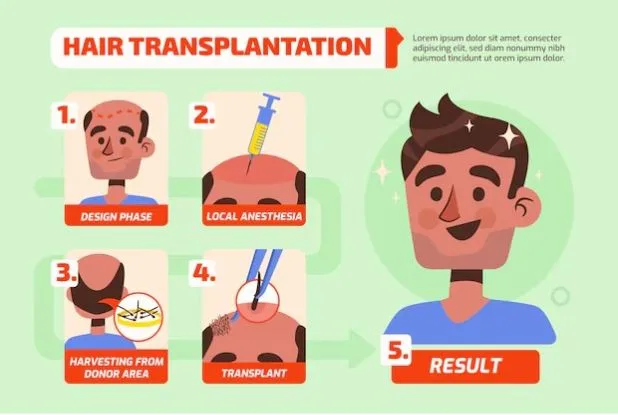
Hair transplant involves removing hair follicles from a donor area, usually the back or sides of the scalp, and implanting them into areas affected by hair loss. The procedure is performed under local anesthesia, so patients remain awake but do not feel pain. Surgeons carefully place each follicle to mimic natural hair growth direction and density. Detailed planning before surgery ensures that the results will appear natural and balanced.
Modern Methods for Hair Transplantation
Advanced hair transplantation techniques focus on precision, safety, and comfort. Follicular Unit Extraction (FUE) involves extracting individual hair follicles and implanting them into the target area. Direct Hair Implantation (DHI) uses a pen-like device to implant hair directly at the correct angle and density. Both techniques minimize scarring, reduce recovery time, and produce realistic results.
Who Can Benefit From the Procedure
Hair transplant is suitable for men and women with stable hair loss and a healthy donor area. Ideal candidates include individuals with pattern baldness, thinning hair, or hair loss due to injury or surgery. Not everyone qualifies, as people with certain medical conditions or insufficient donor hair may need alternative treatments. A professional consultation is essential to evaluate eligibility and provide realistic expectations.
Advantages of Hair Restoration
Hair transplant provides permanent and natural-looking results. Transplanted hair blends seamlessly with existing hair and can be washed, cut, or styled normally. The procedure also improves self-confidence and overall appearance. Since it uses the patient’s own hair, risks of allergic reactions or complications are minimal. Patients often experience long-term satisfaction with their restored hair.
Recovery Process and Hair Care
Recovery is straightforward for most patients. Mild swelling, redness, or scabs may appear on the scalp but usually disappear within a few days. Following aftercare instructions such as gentle washing, avoiding sun exposure, and limiting strenuous activity ensures proper healing. Some transplanted hair may shed initially, which is normal, and new growth typically begins after three to four months. Full results are often visible within nine to twelve months.
Choosing a Trusted Clinic
Selecting the right clinic is critical for successful hair restoration. Experienced surgeons, hygienic facilities, and advanced equipment ensure safe and effective results. Specialized centers like Gold City offer consultations, professional guidance, and personalized treatment plans. Patients can discuss expectations, recovery, and post-procedure care to ensure optimal outcomes.
Conclusion
Hair transplant surgery is a reliable, safe, and effective solution for hair loss. With modern techniques, proper planning, and professional care, individuals can restore natural hair and regain confidence. Understanding the procedure, recovery process, and benefits allows patients to make informed decisions and achieve long-lasting results.