
Hair Transplant: A Detailed and Informative Guide
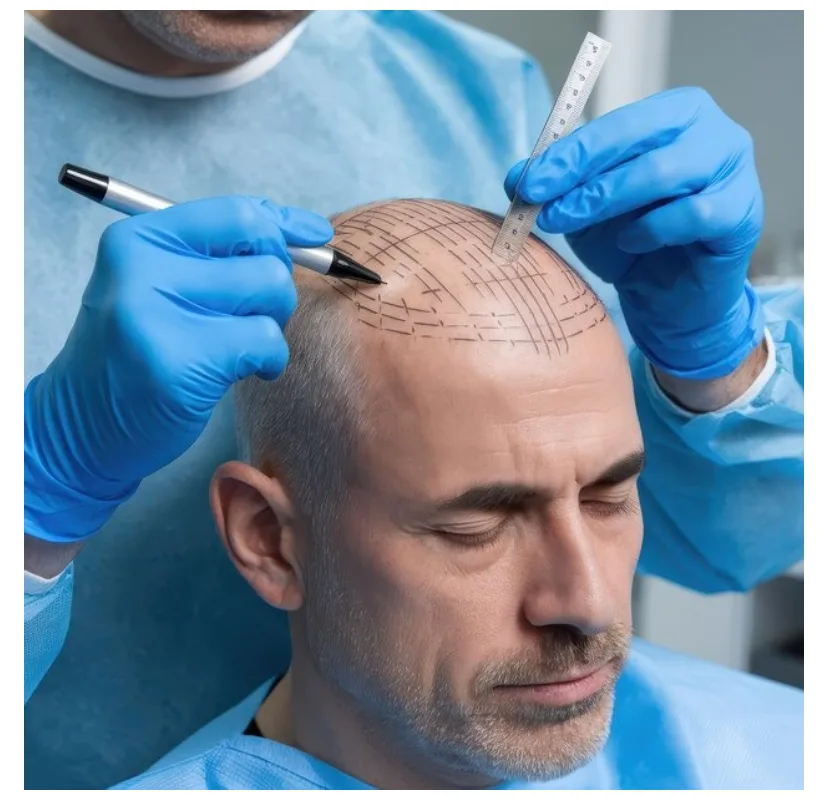
Hair loss is a common issue affecting millions of people worldwide. It can occur due to genetics, hormonal imbalance, stress, aging, medical conditions, or lifestyle factors. Over time, hair thinning or baldness can impact self-confidence and overall appearance. Fortunately, modern medical advancements have introduced effective solutions, and a hair transplant is one of the most reliable and long-term options available today.
A hair transplant is a surgical procedure that restores hair by relocating healthy hair follicles from a donor area—usually the back or sides of the scalp—to areas affected by hair loss. The goal is to achieve natural-looking, permanent results that blend seamlessly with existing hair.
Understanding the Hair Transplant Process
The procedure starts with a detailed consultation where specialists assess hair loss patterns, scalp health, donor hair quality, and patient expectations. Based on this evaluation, a customized treatment plan is created to ensure optimal results.
Medical centers like Gold City provide professional consultations and advanced medical care for individuals considering hair restoration. During the procedure, hair follicles are carefully extracted from the donor area and preserved to maintain their survival rate before implantation.
Modern Hair Transplantation Techniques
Today, hair transplantation is performed using advanced techniques that focus on precision, safety, and faster recovery. The most commonly used methods include FUE (Follicular Unit Extraction) and DHI (Direct Hair Implantation).
In the FUE technique, individual hair follicles are extracted without stitches, resulting in minimal scarring and quicker healing. DHI involves direct implantation using specialized tools, allowing better control over hair direction and density. Both methods aim to deliver natural results with minimal discomfort. More medical details about these procedures can be found at hair transplantation.
Benefits of Hair Transplant Treatment
One of the main advantages of a hair transplant is that it provides permanent results. The transplanted hair follicles are genetically resistant to hair loss and continue to grow naturally for a lifetime. Patients can wash, cut, and style their hair just like normal hair.
Another important benefit is the psychological impact. Restoring hair often boosts self-esteem, improves confidence, and enhances social and professional interactions. Additionally, modern procedures are minimally invasive and performed under local anesthesia, making them safe and comfortable.
Recovery and Aftercare
Recovery after a hair transplant is generally quick. Mild swelling, redness, or scabbing may appear during the first few days but usually resolves within a week. Patients are advised to follow aftercare instructions carefully, including gentle washing, avoiding direct sun exposure, and refraining from intense physical activities temporarily.
New hair growth typically begins after a few months, with visible improvements appearing gradually. Full results are usually achieved within 9 to 12 months.
Choosing the Right Clinic for Hair Restoration
Selecting a reliable clinic is essential for successful outcomes. Factors such as surgeon experience, hygiene standards, modern equipment, and post-procedure care play a crucial role. Clinics that specialize exclusively in Hair transplant procedures often offer personalized treatment plans tailored to individual needs and hair characteristics.
Final Thoughts
A hair transplant is a scientifically proven and effective solution for individuals struggling with hair loss. With proper consultation, advanced techniques, and expert care, patients can achieve natural-looking and long-lasting results. Understanding the procedure, benefits, and recovery process helps individuals make informed decisions and approach hair restoration with confidence.