Hair Transplant Turkey: What to Know Before You Book
Hair loss can change the way a person feels about their appearance. For some people, thinning hair happens slowly. For others, it becomes noticeable within a few years. When hair loss starts to affect confidence, many people begin looking for a long-term solution.
A hair transplant is one option worth considering. In recent years, Turkey has become a popular destination for people who want this type of treatment. The country has many clinics that offer hair restoration procedures at different prices.
However, choosing a clinic should not be based on price alone. A successful result depends on several factors, including the surgeon, treatment plan, clinic standards, and aftercare.
If you are considering a Hair Transplant Turkey procedure, it helps to understand what the process involves before making a decision.
Why Do People Choose Turkey for Hair Transplants?
Turkey has built a strong reputation in the hair restoration industry. Patients travel there from many parts of Europe, the Middle East, Asia, and other regions.
One major reason is the wide choice of clinics. Patients can compare different doctors, techniques, packages, and prices before booking treatment.
Another reason is the experience available in the country. Many Turkish clinics perform hair transplant procedures regularly. This can give patients access to teams that have handled a large number of cases.
Cost is also an important factor. Treatment in Turkey can be less expensive than similar procedures in some Western countries. Still, a lower price should never be the main reason for choosing a clinic.
How Does a Hair Transplant Work?
A hair transplant moves healthy hair follicles from one part of the scalp to areas affected by hair loss. The donor area is usually found at the back or sides of the head because these hairs tend to be more resistant to common forms of hair loss.
The exact process depends on the technique used.
Two common methods are FUE and DHI. With FUE, individual follicles are removed from the donor area and placed into small openings in the recipient area. DHI uses a special pen-like tool to place the follicles directly into the scalp.
The doctor should decide which method is suitable after looking at your hair, scalp, donor area, and pattern of hair loss.
What Should You Check Before Choosing a Clinic?
Choosing a clinic is one of the most important steps. There are many providers, so it is easy to focus on attractive packages and forget about the medical side of the treatment.
Before booking, look at:
- The surgeon’s qualifications and experience
- Before-and-after photographs of real patients
- Patient reviews from reliable sources
- The clinic’s hygiene and medical standards
- What is included in the treatment package
- Who will actually perform the procedure
- Follow-up care after you return home
It is also useful to ask direct questions. For example, ask how many grafts you may need and who will design your hairline.
A professional clinic should explain the treatment clearly. It should also discuss possible risks rather than promising perfect results.
How Much Does a Hair Transplant in Turkey Cost?
The price of a Hair Transplant Turkey procedure can vary widely. There is no single price that applies to every patient.
Several factors affect the total cost. These include the number of grafts, the technique used, the surgeon’s experience, and the clinic itself.
Some clinics offer packages that include accommodation, airport transfers, medical checks, and transportation. These packages can make the trip easier for international patients.
However, it is important to read the package details carefully. A cheap offer may not include every service you expect.
You should also be careful with clinics that advertise extremely low prices without explaining what is included. Medical treatment should be judged on safety and quality first.
What Happens During the Procedure?
Before the transplant begins, the medical team normally checks your scalp and discusses the planned hairline. The donor and recipient areas are then prepared.
Local anaesthesia is generally used, so the patient remains awake but the treatment area is numbed.
The surgeon and medical team then collect the selected follicles. These follicles are prepared and placed into the areas where more hair is needed.
The length of the procedure depends on the number of grafts and the treatment method. A larger session can take several hours.
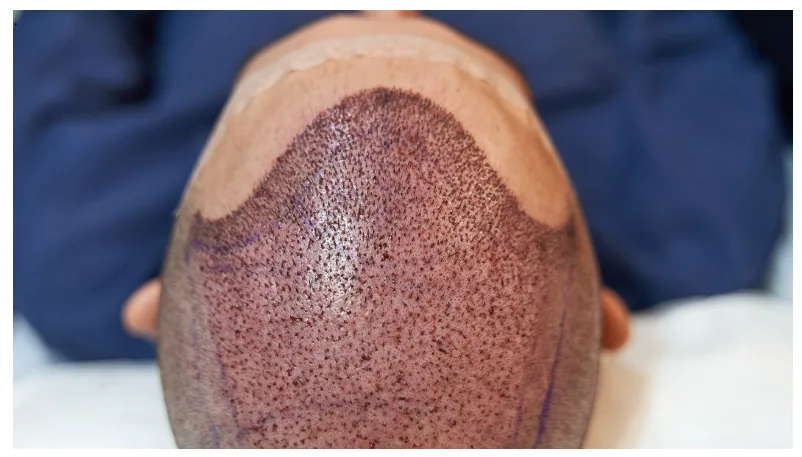
After the procedure, the scalp may look red or swollen. Some patients also notice small scabs around the transplanted follicles. These effects usually form part of the normal early recovery process, although every patient is different.
What Is Recovery Like?
Recovery does not end when you leave the clinic. Proper aftercare is important because newly transplanted follicles need time to settle.
During the first few days, you may need to follow specific washing and sleeping instructions. The clinic should provide clear guidance about these steps.
You may also be told to avoid strenuous exercise for a certain period. Activities that cause heavy sweating or pressure on the scalp may need to be limited during early recovery.
Some temporary shedding can happen after a transplant. This can be worrying, but transplanted hairs may shed before new growth begins.
Hair growth takes time. Therefore, patients should not expect a full result within a few weeks. New growth usually develops gradually over the following months.
What Results Can You Expect?
The final result depends on several factors. These include the quality of the donor hair, the number of grafts available, the patient’s natural hair characteristics, and the skill of the medical team.
The goal is usually to create a natural-looking hairline and improve areas where hair has become thin.
A good transplant should not simply add hair. It should also consider the direction, angle, spacing, and appearance of the existing hair.
For that reason, realistic expectations are important. A reputable doctor should explain what can reasonably be achieved before treatment begins.
Questions to Ask Your Doctor
Before booking a Hair Transplant Turkey treatment, prepare a list of questions. This can help you compare clinics more fairly.
Consider asking:
- Who will perform the main parts of the procedure?
- How many grafts do you recommend?
- Which transplant technique is best for my case?
- What happens if I need another procedure later?
- What are the possible risks?
- What aftercare will I receive?
- How long should I stay in Turkey?
- What is included in the quoted price?
You can also ask to see photographs of patients with a similar type of hair loss. This may give you a better idea of what your own result could look like.
Is Turkey the Right Choice for You?
Turkey can be a practical option for people considering hair restoration. The country has many experienced clinics and offers treatment at a range of prices.
However, every patient should do their own research. A clinic that works well for one person may not be the best choice for another.
Most importantly, do not rush because of a limited-time offer or a very low price. Take time to check the doctor, clinic, treatment plan, and aftercare arrangements.
A Hair Transplant Turkey procedure is a medical treatment, not simply a cosmetic holiday package. Therefore, safety and quality should always come before convenience or cost.
With careful research and realistic expectations, you can make a more informed decision about whether treatment in Turkey is suitable for your hair loss and long-term goals.