Health Counseling: A Practical Guide to Finding Clarity and Emotional Balance
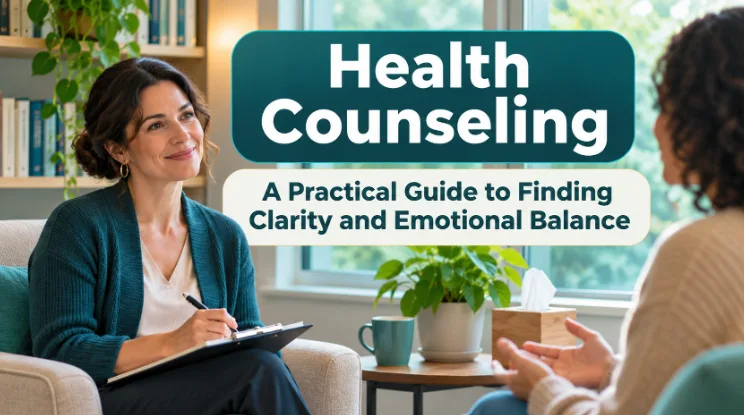
Life rarely becomes difficult all at once. Stress may build through demanding schedules, strained relationships, uncertain finances, or the quiet pressure to appear capable. Over time, even manageable concerns can affect sleep, concentration, motivation, and the way we connect with others. Health counseling offers a structured place to understand those changes without judgment. Rather than promising instant solutions, it helps people recognize patterns, develop practical coping skills, and make thoughtful decisions that support emotional well-being.
What Health Counseling Really Means
Health counseling is a collaborative process that supports people facing emotional, behavioral, or life-related challenges. Depending on individual needs, sessions may explore anxiety, grief, relationship conflict, major transitions, persistent stress, or habits that interfere with daily life. The focus is not simply on discussing problems. It is also on understanding what sustains them and identifying realistic ways forward.
A qualified counselor listens carefully, asks purposeful questions, and works with clients to establish meaningful goals. Some conversations examine experiences from the past, while others concentrate on present difficulties and immediate tools. Effective counseling respects personal values, cultural background, and the pace at which someone feels comfortable sharing.
Counseling is different from receiving advice from a friend. Supportive relationships matter, but professional sessions provide dedicated time, established boundaries, and approaches informed by psychological research. The client remains an active participant, not a passive recipient of instructions.
Recognizing When Additional Support Could Help
Many people assume they should seek counseling only during a crisis. In reality, early support can prevent everyday difficulties from becoming overwhelming. There is no universal threshold that determines when a concern deserves attention. A useful question is whether your current ways of coping are helping you live as you would like.
Signs that counseling may be worth exploring include:
- Feeling tense, worried, or emotionally drained most days.
- Struggling to sleep, focus, or maintain familiar routines.
- Withdrawing from relationships or experiencing recurring conflicts.
- Finding it difficult to recover after loss or change.
- Relying on avoidance or unhealthy habits to manage distress.
These experiences do not automatically indicate a mental health condition. Physical illnesses, medication effects, and stressful circumstances can cause similar changes. If symptoms are new, severe, or persistent, a medical assessment may also be appropriate. Seeking support is a practical response to difficulty, not evidence of personal failure.
How Counseling Builds Clarity and Emotional Balance
Emotional clarity begins with noticing what is happening internally. During difficult periods, feelings can overlap: anger may conceal disappointment, while exhaustion can make ordinary tasks feel threatening. A counselor can help separate these experiences and identify the thoughts, situations, and reactions connected to them.
This process often involves naming emotions accurately, questioning assumptions, and learning to tolerate discomfort without acting impulsively. Someone who interprets every disagreement as rejection, for instance, may explore that interpretation and practice responding with curiosity instead of withdrawal.
Balance does not mean remaining calm every moment. It means developing enough flexibility to respond constructively when emotions rise. Counseling can strengthen that flexibility through grounding exercises, communication practice, problem-solving techniques, and healthier boundaries. Progress may appear gradually, such as sleeping more consistently, handling conflict with less defensiveness, or recognizing when rest is necessary.
Exploring Different Counseling Approaches
No single counseling method suits everyone. Professionals may use one established approach or combine techniques according to client needs, training, and preferences. Understanding a few common options makes conversations about treatment more productive.
Cognitive behavioral therapy examines connections among thoughts, emotions, and actions. It can help people challenge unhelpful thinking patterns and experiment with different behaviors. Acceptance and commitment therapy emphasizes making room for difficult experiences while taking steps aligned with personal values. Person-centered counseling places particular importance on empathy, acceptance, and the client’s capacity for growth.
Other approaches focus on relationships, family systems, trauma, or specific concerns. The name of a method matters less than whether the clinician can explain its purpose and adapt it to your situation. Some people also benefit from coordinated care involving a physician or other health professional, especially when physical symptoms or medication questions are involved.
Choosing a Counselor Who Fits Your Needs
Finding the right professional requires more than scanning a profile. Credentials, relevant experience, therapeutic style, and practical accessibility all influence whether counseling feels useful. Regulations and professional titles vary by location, so verify licensing or registration requirements where you live.
When comparing options, consider these questions:
- Does the counselor have experience with my main concerns?
- What approaches do they use, and why?
- How are privacy, records, and confidentiality handled?
- Are sessions available online, in person, or both?
- What are the fees, cancellation terms, and appointment options?
Resources discussing mental health counseling can provide a starting point for exploring support, but assess any provider independently. A good fit involves feeling respected and able to ask questions, even when sessions address uncomfortable topics. If the relationship does not feel constructive after discussing your concerns, seeking another professional is reasonable.
What to Expect From Your First Sessions
The first appointment is often an opportunity to establish context. Your counselor may ask about current concerns, significant experiences, health history, relationships, daily routines, and what you hope will change. You can explain your priorities without preparing a perfect account of your life. It is acceptable to say that you are unsure where to begin.
You should also receive information about confidentiality, its legal and safety-related limits, session arrangements, and how records are managed. Asking about these details is appropriate. If an approach feels confusing, request a plain-language explanation of what the counselor recommends and how progress will be reviewed.
Early sessions may feel relieving, awkward, or emotionally tiring. None of those reactions alone determines whether counseling will work. Trust usually develops through consistent interactions. Small observations between appointments can be useful, particularly noting situations that trigger distress, responses that helped, and questions you want to revisit.
Making Progress Beyond the Counseling Room
Counseling is most useful when insights translate into everyday choices. This does not require turning personal growth into another demanding checklist. Instead, choose manageable practices that connect directly to your goals. A person working on stress might introduce a brief evening wind-down routine, while someone addressing conflict might rehearse a calm request before an important conversation.
Pay attention to patterns rather than expecting steady improvement. Difficult weeks do not erase earlier gains. Discuss setbacks openly so you and your counselor can reconsider strategies, identify obstacles, and adjust expectations. Progress may include greater self-awareness, more realistic boundaries, increased emotional tolerance, and stronger relationships, even when challenging feelings remain.
A simple way to notice change is to review your personal counseling goals every few weeks. Ask what feels easier, which situations still create tension, and what support would make the next step manageable. These reflections create a more accurate picture than judging progress by a single good or difficult day.
Basic needs deserve attention too. Regular sleep, movement, nourishing meals, social connection, and time away from constant demands can support emotional resilience. These habits complement counseling but do not replace appropriate professional treatment. If symptoms worsen or functioning declines, communicate that change promptly to your clinician.
Moving Forward With Greater Confidence
Seeking counseling is not about becoming a different person or eliminating every difficult feeling. It is about building a clearer understanding of your experiences and gaining choices where old patterns once felt automatic. The most helpful process combines professional guidance with personal reflection, realistic goals, and room for adjustment.
Whether you are navigating a particular challenge or simply feeling less like yourself, support can begin with one honest conversation. You do not need a polished explanation or a crisis to justify asking for help. With patience and the right professional relationship, counseling can become a practical foundation for steadier decisions, healthier connections, and a more balanced daily life.