
Heated Performance Pants UK: How to Keep Your Legs Warm and Ready All Winter
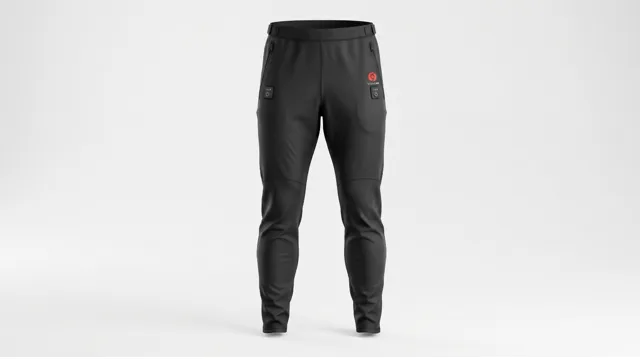
Heated performance pants are stretch trousers with thin, flexible heating elements (usually carbon fibre) woven into the fabric, powered by a rechargeable lithium-ion battery. You press a button, pick a heat level, and the warmth is delivered straight to your calves, thighs, hamstrings and glutes. In a British winter, that means your legs stay comfortable at the start line, on the touchline, on a building site and on the walk home, whether you are moving or standing still.
Ordinary winter legwear can only trap the heat your body already produces. The moment you stop moving, that supply dries up. Heated pants add a second, adjustable source of warmth, and that is the whole idea behind them.
This guide covers how they work, what they cost in the UK, who benefits most, how to layer them, and the mistakes worth avoiding. By the end you will know whether a pair suits your winter routine and which features deserve your attention.
The 30-Second Read
- What they are: lightweight, flexible trousers with built-in heating elements and a rechargeable battery.
- What they do: keep your legs warm before activity, during breaks and after exercise.
- Who they suit: runners, cyclists, team-sport players and officials, outdoor workers, walkers and hikers.
- What they are not: a waterproof layer, a medical device, or kit for high-impact, in-motion competitive play.
- Typical battery life across the category: roughly 3 to 10 hours, depending on pack size and heat setting.
- UK price range: from around £30 for unbranded marketplace pairs to £350 for performance-focused options.
If targeted heat across the calves, thighs, hamstrings and glutes is what you want, the Vulcan Heated Performance Pants are built for exactly that. They come in sizes S to XL, dispatch from the UK within 24 to 48 hours on working days, and include a 30-day returns window and a one-year warranty. If you spend more than a few hours each week in the cold, they deserve a serious look.
Why Your Legs Struggle in Cold UK Weather
British winter cold is rarely dramatic, but it is relentless. Damp air pulls warmth from your body faster than dry air, and wind blows away the thin pocket of warm air that your clothing holds against your skin. That is why 5°C on a weather app can feel far colder on a exposed pitch or cycle path.
Your legs suffer most. They house some of the biggest muscles you own: quadriceps, hamstrings, glutes and calves. Cold muscle feels tight and sluggish, which changes how you start a run, how you push on a climb, how you accelerate on grass, and how stiff you feel after a long shift outside.
Conventional options all share the same weakness:
- Thermal leggings slow heat loss but generate nothing.
- Fleece-lined trousers add bulk and still rely entirely on your body.
- Waterproof overtrousers stop rain but give very little warmth.
Heated pants break that dependency. Because the warmth does not rise and fall with your effort, you stay comfortable when you are standing around, travelling or recovering, which is when most cold-weather misery starts.
What Are Heated Performance Pants?
Think of them as stretch trousers with a heating system built in. Slim elements run through the fabric, a battery sits in a pocket, and a controller lets you switch the heat on and choose a level. The garment then warms the areas it covers.
The “performance” part is important. These are cut for people who move: a close fit, breathable fabric, flexibility through the knee and hip, and heating zones positioned over working muscle. That sets them apart from heated trousers designed for motorcyclists, which are often made to sit under riding gear and may plug into a bike’s electrical system.
The benefits that matter most
- Warm muscles on demand. Heat is available during warm-ups, breaks and recovery.
- Warmth without bulk. You avoid piling on thick layers that restrict movement.
- Adjustable output. You raise or lower the heat as conditions change.
- Comfort at rest. You stay warm while stationary, the moment cold bites hardest.
- Better follow-through. When the cold stops being a barrier, you are more likely to train, walk or work outdoors on the days that count.
How Heated Performance Pants Work
Knowing what is going on inside the garment makes it easier to spot a well-made pair.
Heating elements and zones
When current from the battery passes through the thin elements, they warm up and spread heat into the surrounding fabric. What matters is not how many elements a product advertises, but where they sit and how evenly they distribute warmth. Good pants cover the big muscle groups rather than heating one small patch.
The Vulcan Heated Performance Pants heat the calves, thighs, hamstrings and glutes. That covers the front and back of the leg plus the seat, the areas that tighten up first in cold conditions.
The battery
Most heated clothing uses a rechargeable lithium-ion pack. Run time varies with the heat setting and the outside temperature: a low setting on a mild day goes much further than a high setting during a hard frost. Across the category, 3 to 10 hours is a typical range, depending on the pack and mode.
A useful habit is to start on a higher setting for the first minute or so to bring the elements up to temperature, then drop to a medium or low level to stretch the battery. Customers of the Vulcan pants describe battery life that covers several hours of outdoor use, and many say it beat their expectations. Treat any figure as a guide and confirm the current specification before ordering.
Controls
Controls need to work with cold fingers or gloves on. Buyers describe the Vulcan controls as straightforward, and the warmth as steady and natural rather than harsh.
Getting them on and off
Heated pants only help if you actually put them on. Heavy-duty side zips and easy-access calf flaps let you get in and out of the Vulcan pants over boots or kit, which is handy beside a pitch, in a car park, or in an unheated changing room.
Warm-Up, Breaks and Recovery: What to Expect
Before you start
Warm muscles feel looser and more ready to work. It is the reason coaches build warm-ups into every session and substitutes keep long coats on. Heated pants let you hold your leg temperature while you wait, travel or get changed, so you begin already comfortable.
During breaks
Between sets, between halves, at a rest stop or while waiting for the next job, legs cool quickly. Keeping them warm means you restart from a better baseline instead of from cold.
After you finish
Plenty of people find gentle warmth soothing on tired legs after hard effort. The brand states the pants were developed with sports scientists and are intended to support circulation, ease stiffness and make post-exercise recovery more comfortable.
Heat is only one part of recovery. Sleep, food, sensible training load and professional advice matter just as much. These pants are not a medical device or a treatment for injury. If you are managing an injury or condition, speak to a physiotherapist or your GP first, and take particular care if you have reduced sensation in your legs or a circulatory condition.
The 2-Minute Read: Vulcan Heated Performance Pants at a Glance
Here are the key facts in one place.
- Price: £350, with UK delivery at £6.95 per order.
- Dispatch: in-stock orders leave within 24 to 48 hours on working days.
- Sizes: S, M, L and XL, with a size guide on the product page.
- Heating zones: calves, thighs, hamstrings and glutes.
- Design: heavy-duty side zips, easy-access calf flaps, lightweight breathable fabric and robust wiring made for active use.
- Best uses: pre-workout warm-ups, breaks in play, outdoor work, long walks and post-exercise recovery.
- Key limit: not intended for high-impact, in-motion competitive play.
- Protection: 30-day returns on unworn items with tags attached, plus a one-year warranty on Vulcan products.
- Customer feedback: an average of about 4.85 out of 5 from 40 ratings, 34 of them five-star, with more than 115 pairs sold.
This is a premium pair aimed at people who spend real time in the cold and want dependable, targeted warmth. Full-leg coverage, easy on-and-off design and clear customer protection make it a low-risk purchase for that buyer.
What You Will Pay in the UK, and What You Get
Heated legwear pricing is wide, and the gap usually comes down to what is included and how it is built.
| Price band | Typical product | What to know |
| Around £30 to £60 | Unbranded heated trousers from online marketplaces | Often sold without a power bank; build quality, wiring and support vary, so best for occasional use |
| Around £150 to £200 | Heated trousers from motorcycle and riding brands | Good for their intended job, frequently as a mid-layer under riding trousers, but less suited to training, running or walking |
| £300 and above | Performance-focused pairs such as the Vulcan trousers at £350 | Targeted muscle-zone heating, active-use design, battery system included, UK dispatch, clear returns and warranty terms |
The sensible choice depends on frequency. The more hours you spend outside in winter, the easier a well-built, well-supported pair is to justify.
Who Gets the Most From Heated Performance Pants?
Team-sport players, managers and referees. Bench and touchline time is where legs stiffen fastest. Zips and calf flaps let you strip off quickly when you are called on.
Runners. You warm up as you move, so the gain comes before and after: at the start line, on the journey to an event, or on the cool-down walk home.
Cyclists and commuters. Winter riding exposes your legs to constant wind. Worn under a windproof outer layer, heated pants help keep thighs and calves loose. Check where the battery pocket sits against your saddle and riding position.
Outdoor workers. Builders, groundsmen, delivery drivers, site managers and agricultural staff spend long hours in the cold. Many Vulcan reviews come from people working outside, with several noting less stiffness at the end of a shift. Confirm heated clothing is permitted with any protective equipment your job requires.
Walkers, hikers and dog owners. Dawn walks and winter hill routes feel far better with warm legs. Add a waterproof shell on wet days.
Anyone after more comfortable recovery. Pull them on after training, choose a low setting and let your legs settle.
Zone by Zone: Why Heating Placement Matters
Where the heat sits decides how useful the garment is.
- They work constantly when you walk, run, cycle or stand, and sit far from your core, so they chill quickly. Warmth here reduces that tight feeling at the start of activity.
- The quadriceps are the largest muscle group in the leg, and the front of the thigh takes the full blast of wind. Heat here changes how warm you feel overall.
- The back of the thigh is often skipped in cheaper designs, yet it is a muscle group athletes tend to worry about in the cold.
- They drive almost every leg movement, and they also suffer when you sit on a cold bench, saddle or seat. Heat here keeps you comfortable while you wait.
Together these four zones cover the full working chain of the leg, which is why full coverage beats a single heated panel on the front of the thigh.
A Typical Winter Week with Heated Performance Pants
Monday, early start. You leave before sunrise with the pants on under your usual trousers at a medium setting. Your legs stay loose on the walk or ride in.
Wednesday, evening training. You reach the pitch or track early and keep the pants on until warm-up begins. Then you open the side zips and calf flaps, step out and get going. Afterwards, they go back on while you pack up.
Friday, a day outdoors. You switch them on at the start of the shift and drop to low once you are working. Your legs stay warm and you finish less stiff than usual.
Saturday, match day or a long walk. On the touchline or a hill path, you tweak the heat as conditions shift. If rain arrives, you add a waterproof layer.
Sunday, recovery. After a harder effort, you wear them on low while you rest, stretch and refuel.
None of it needs a special routine. The pants simply take cold out of the equation.
Quick Match: Is This the Right Fit for Your Situation?
| Your situation | How well it suits | What to consider |
| Pre-match warm-up and bench time | Excellent | Zips and calf flaps make changing quick |
| Winter outdoor work | Excellent | Check workplace rules and protective equipment |
| Walking and hiking | Very good | Add a waterproof layer for rain |
| Cycling and commuting | Good | Check battery placement and fit |
| Running | Good before and after | Most runners warm up by moving |
| Competitive in-motion play | Not intended | The manufacturer advises against it |
| Occasional short trips | Fair | A lower-cost option may be enough |
| Recovery after training | Very good for comfort | Not a treatment for injury |
What Customers Say
Reviews on a retailer’s own site deserve a pinch of salt, but the pattern across 40 ratings is consistent.
What buyers praise
- Even, natural warmth that spreads across the legs without feeling harsh.
- Freedom of movement, with the pants staying light and flexible for walking, cycling, training and work.
- Long outdoor days, including winter training, hiking and lengthy shifts, with several people noticing less stiffness afterwards.
- Battery life that many say lasted longer than expected.
- Build quality, with words like durable, premium and well made appearing repeatedly.
- Simple controls that are easy to use.
Honest feedback
The four-star reviews are the most informative. Some buyers would like a flatter battery pocket under tight outer layers. Others mention charging speed, waistband adjustability and pocket depth. None of this stopped them recommending the pants, but if one of these points matters to you, factor it in before ordering.
Common Questions Before You Buy
Is £350 too much? Think in cost per wear. Over 100 wears across a few winters, that is £3.50 each time, falling with every extra outing. Delivery is £6.95, returns are open for 30 days on unworn items, and the one-year warranty covers the product. If you will only wear them a handful of times a year, a cheaper pair is more sensible. If you are out in the cold every week, this is a long-term purchase.
Will the battery last long enough? It depends on your setting and the temperature. Customers report several hours of use, and a lower setting while active stretches that. Charge fully before you leave.
Will they be comfortable under my other clothes? Reviewers describe them as slim and flexible rather than bulky, and several wear them under outer layers. Check where the battery pocket will sit against your jacket, harness or rucksack.
Can I use them for competitive sport? Not while playing. They are made for warm-ups, breaks and recovery, not high-impact, in-motion competitive play.
What if the size is wrong? Measure your waist, hips and inside leg and compare with the size guide on the product page. If they do not fit, the 30-day returns window covers unworn items with tags attached.
Common Mistakes When Buying Heated Pants
- Choosing on price alone. The cheapest listing may leave out the battery, limit coverage or offer little support. Compare what is included, not only the headline price.
- Ignoring heating coverage. One panel will not warm the whole leg. Look for zones across the calves, thighs, hamstrings and glutes.
- Guessing the size. Heated clothing works best close to the body. Measure and use the size guide.
- Expecting waterproofing. Heated pants add warmth, not weather protection. Plan an outer layer for rain and wind.
- Using them for the wrong activity. They suit warm-ups, breaks, recovery and general outdoor wear, not high-impact, in-motion competitive play.
- Overlooking returns and warranty. Clear terms protect you. Vulcan offers 30-day returns on unworn items with tags and a one-year warranty.
- Forgetting the battery pocket. Think about what goes on top and where the battery will sit against your body and kit.
Buying With Confidence: What Protects You
A premium purchase should come with clear safeguards. With the Vulcan Heated Performance Pants you get:
- UK dispatch within 24 to 48 hours on in-stock orders, working days.
- A 30-day returns window for unworn items with tags attached.
- A one-year warranty on every Vulcan product.
- Secure checkout with PayPal.
- Support by email, phone and WhatsApp before and after you order.
Check the size guide, choose your size, and you have a clear route to an exchange or return if something is not right.
Heated Pants vs Other Winter Options
| Option | Creates its own warmth | Freedom of movement | Best for | Main limit |
| Thermal leggings | No | High | Mild cold, base layer | Depends on body heat |
| Fleece-lined trousers | No | Medium | Everyday cold weather | Bulky, passive |
| Waterproof overtrousers | No | Medium | Heavy rain | Little warmth, can feel clammy |
| Heated motorcycle trousers | Yes | Medium | Riders with a power source | Built for riding, not training |
| Heated performance pants | Yes | High | Training, outdoor work, breaks, recovery | Higher price, battery needs charging |
Passive options work when you are moving constantly in mild cold. Once you stop, travel in the cold or spend hours outside, an active heat source does what they cannot.
How to combine them
You do not need to pick just one. A popular set-up is a thin thermal or merino base layer for moisture control, the heated pants as your warm layer, and waterproof overtrousers on top for rain. It handles nearly everything a UK winter throws at you, and you can adjust the heat to match.
Sizing and Fit
Fit matters more with heated clothing because warmth has to travel through fabric to reach the muscle.
- Snug, not tight. Elements should sit close to your skin or a thin base layer. Too loose wastes heat; too tight hurts comfort and circulation.
- Use the size guide. Sizes run S to XL. Measure rather than guess.
- Plan your layers. Think about socks, boots and outer trousers so everything works together.
- Consider the waistband. One reviewer wanted more adjustment, so if you fall between sizes, choose carefully.
Battery Safety and Care
- Follow the care label and remove the battery before washing.
- Use the supplied charger and do not charge unattended on a soft surface.
- Do not use a battery that looks swollen or damaged.
- Keep batteries away from extreme heat and cold, and store them part-charged if unused for a while.
- Check airline rules on lithium batteries before flying with heated clothing.
- If the pants fail to heat, confirm the battery is charged and connected, then contact the retailer. The one-year warranty exists for this.
Layering for Best Results
Build a simple system:
- Base layer: moisture-wicking thermals or merino tights next to the skin to hold in body heat before the heating kicks in.
- Heated layer: the pants, close to the body.
- Outer layer: a windproof softshell or waterproof overtrousers when British weather turns wet or windy.
Use a lower heat while you are active and raise it when you stop. That keeps you comfortable without overheating and helps the battery last longer.
Your Pre-Purchase Checklist
- Will you wear them several times a week through winter?
- Does the heating cover the muscle groups you want to keep warm?
- Do you know your measurements and have you checked the size guide?
- Will the battery pocket work with your clothing and movement?
- Are the returns and warranty terms clear?
- Do you have a health condition that means you should ask a professional first?
If you answered yes to the first five and no to the last, you are in a strong position to buy with confidence.
Final Thoughts
Cold weather does not have to dictate how you train, work or spend time outdoors. Heated performance pants deliver warmth that does not depend on how hard you are working, right where your biggest muscles are. Pick the correct size, look after the battery, layer sensibly and be honest about how often you will wear them.
If your winter involves serious time outside, you will feel the difference from the first outing. Compare features, check the size guide and choose the pair that keeps your legs warm when it counts.